

Over 60 percent of american fashion lovers say that retro tees are their favorite way to express personality through clothing. This fascination runs deeper than simple nostalgia. Retro t-shirts capture the spirit of past decades while fitting seamlessly into modern style, making them more than basic graphic shirts. Whether you love pop culture, music history, or ethical shopping, today’s retro tees blend cultural stories, high-quality materials, and creative design in a way that few trends can match.
Table of Contents
- What Defines A Retro Tee Today
- Popular Styles And Iconic Designs
- Pop Culture Influence On Retro Tees
- Ethical Sourcing And Fabric Quality
- Common Pitfalls When Buying Retro Tees
Key Takeaways
| Point | Details |
|---|---|
| Modern Retro Tees | These shirts combine authentic vintage designs with contemporary aesthetics, featuring high-quality fabrics and prints that evoke cultural moments. |
| Cultural Influences | Retro tees draw heavily from pop culture, merging musical, cinematic, and gaming references that tell stories of collective identity. |
| Ethical Production | Choose retro tees made from sustainable materials and produced under fair labor practices to support responsible fashion choices. |
| Smart Buying Tips | Be cautious of fabric quality, size, and authenticity when buying retro tees to ensure a lasting and meaningful addition to your wardrobe. |
What Defines a Retro Tee Today
A retro tee transcends being just another piece of clothing. According to Wikipedia, retro style represents “new artifacts that self-consciously reference past modes, motifs, techniques, and materials,” which perfectly captures the essence of modern retro t-shirts. These are not simply reproductions but thoughtful reimaginings that bridge nostalgic design elements with contemporary aesthetic sensibilities.
Today’s retro tees are characterized by several key attributes that distinguish them from standard graphic shirts. Dergipark highlights how retro marketing involves “reviving products from the past” while updating their performance and character. In the context of t-shirts, this means:
- Authentic vintage-inspired graphic designs
- High-quality fabric that feels contemporary
- Prints that evoke specific cultural or historical moments
- Stylistic references to past decades (1960s, 1970s, 1980s)
- Unique color palettes reminiscent of specific eras
Moreover, modern retro tees aren’t just about visual nostalgia but also represent a deeper connection to cultural memory. Discover how to rock these unique designs in our guide on styling retro t-shirts, where we explore the nuanced art of incorporating these statement pieces into your wardrobe.
Popular Styles and Iconic Designs
Retro t-shirts have evolved into a vibrant canvas of cultural storytelling, blending nostalgia with contemporary fashion sensibilities. Fashionvib reveals that current retro t-shirt trends are a dynamic fusion of multiple iconic eras, featuring “80s neon colors, 90s grunge and hip-hop influences, and Y2K tech nostalgia.”
The landscape of iconic retro designs spans several distinctive categories:
- Band and Music Tees: Classic rock logos, punk aesthetics, and vintage concert memorabilia
- Pop Culture Graphics: TV show references, movie poster recreations, and iconic cartoon characters
- Vintage Brand Logos: Reimagined corporate and advertising graphics from past decades
- Technological Nostalgia: Early computer graphics, video game imagery, and digital aesthetic prints
These styles aren’t merely fashion statements but cultural artifacts that communicate personal identity and generational experiences.
Learn more about the nuanced world of graphic tee evolution in our comprehensive style guide, where we break down how these designs capture more than just aesthetic trends—they represent collective memories and shared cultural moments.
Pop Culture Influence on Retro Tees
Pop culture has been the driving force behind retro t-shirt design, transforming simple garments into powerful narratives of collective memory and social expression. Wikipedia highlights how the Y2K aesthetic perfectly exemplifies this phenomenon, “characterized by bright colors and retrofuturistic designs” that draw direct inspiration from late 1990s and early 2000s cultural touchstones.
These pop culture influences manifest in multiple dynamic ways:
- Musical Movements: Band logos, concert imagery, and genre-specific aesthetics
- Movie and TV References: Iconic film quotes, character portraits, and cinematic moments
- Gaming Culture: Vintage video game graphics, character designs, and nostalgic console imagery
- Technology Nostalgia: Early internet graphics, pixelated designs, and digital era symbolism
Interestingly, certain design elements become cultural landmarks in their own right. Wikipedia demonstrates this through the eight-ball jacket, which “became a status symbol in the East Coast hip-hop scene,” illustrating how specific designs can transcend mere fashion to become powerful cultural statements. Discover how to start your own pop culture tee collection with our comprehensive guide, where we dive deep into curating a wardrobe that tells your unique cultural story.
Ethical Sourcing and Fabric Quality
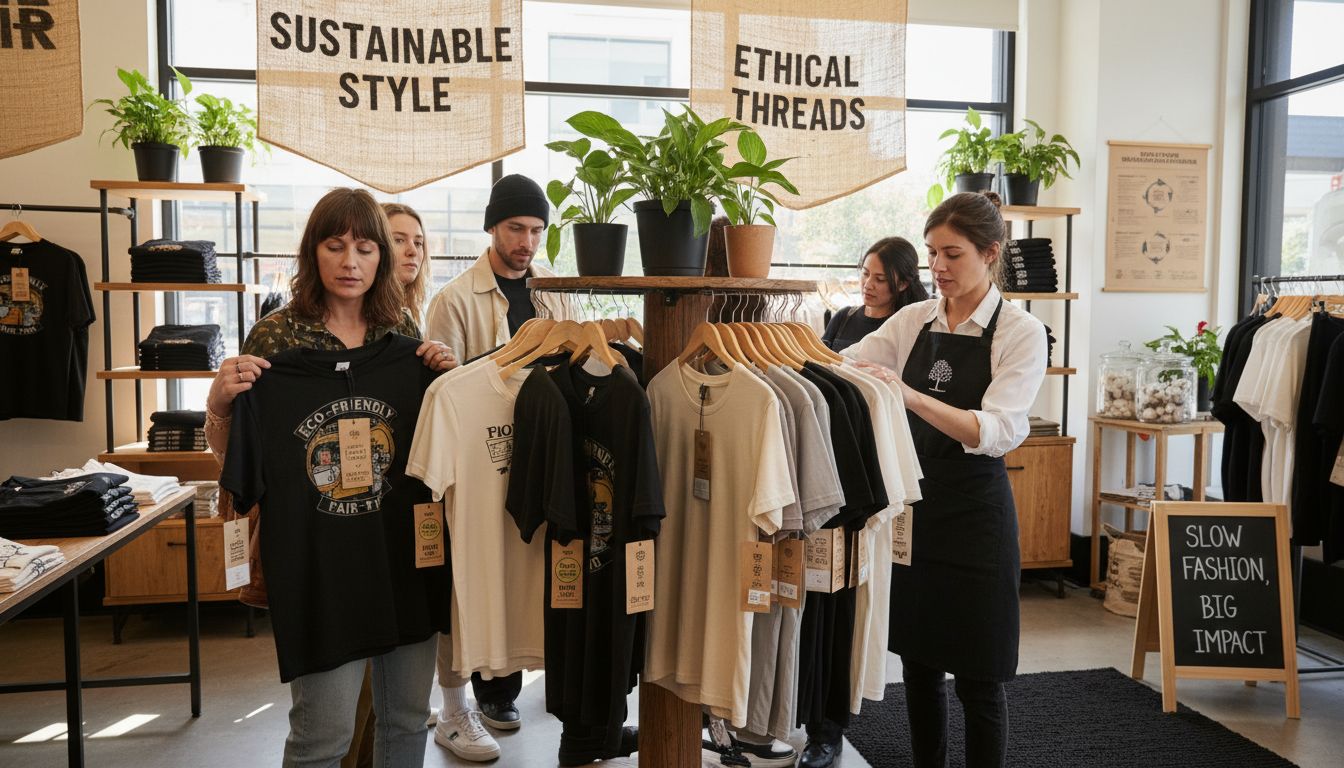
Ethical sourcing in retro t-shirts goes far beyond a simple manufacturing process—it’s a comprehensive commitment to environmental sustainability, worker welfare, and conscious consumerism. Kreafolk highlights the importance of fabric quality, noting that vintage t-shirts frequently “utilize durable materials like polyester blends and tri-blends, known for their longevity and comfort.”
The key considerations for ethical retro tee production include:
- Sustainable Material Sourcing: Organic cotton, recycled polyester, and low-impact fabrics
- Fair Labor Practices: Ensuring safe working conditions and living wages for workers
- Reduced Environmental Impact: Minimizing water usage, chemical treatments, and carbon footprint
- Transparent Supply Chains: Complete visibility into manufacturing and production processes
- Longevity and Durability: Creating products that resist rapid consumption and disposal
Choosing ethically produced retro tees means making a statement that extends far beyond personal style—it’s a conscious decision to support responsible fashion practices.
 Learn more about the role of graphic tees in modern fashion with our comprehensive guide, where we explore how your clothing choices can create meaningful impact.
Common Pitfalls When Buying Retro Tees
Navigating the world of retro t-shirts requires more than just an eye for design—it demands careful consideration of multiple factors that can make or break your vintage fashion investment. Kreafolk warns buyers to be particularly “aware of the fabric composition and quality, as some vintage t-shirts may use materials that are less durable or comfortable than modern alternatives.”
Common mistakes to avoid when purchasing retro tees include:
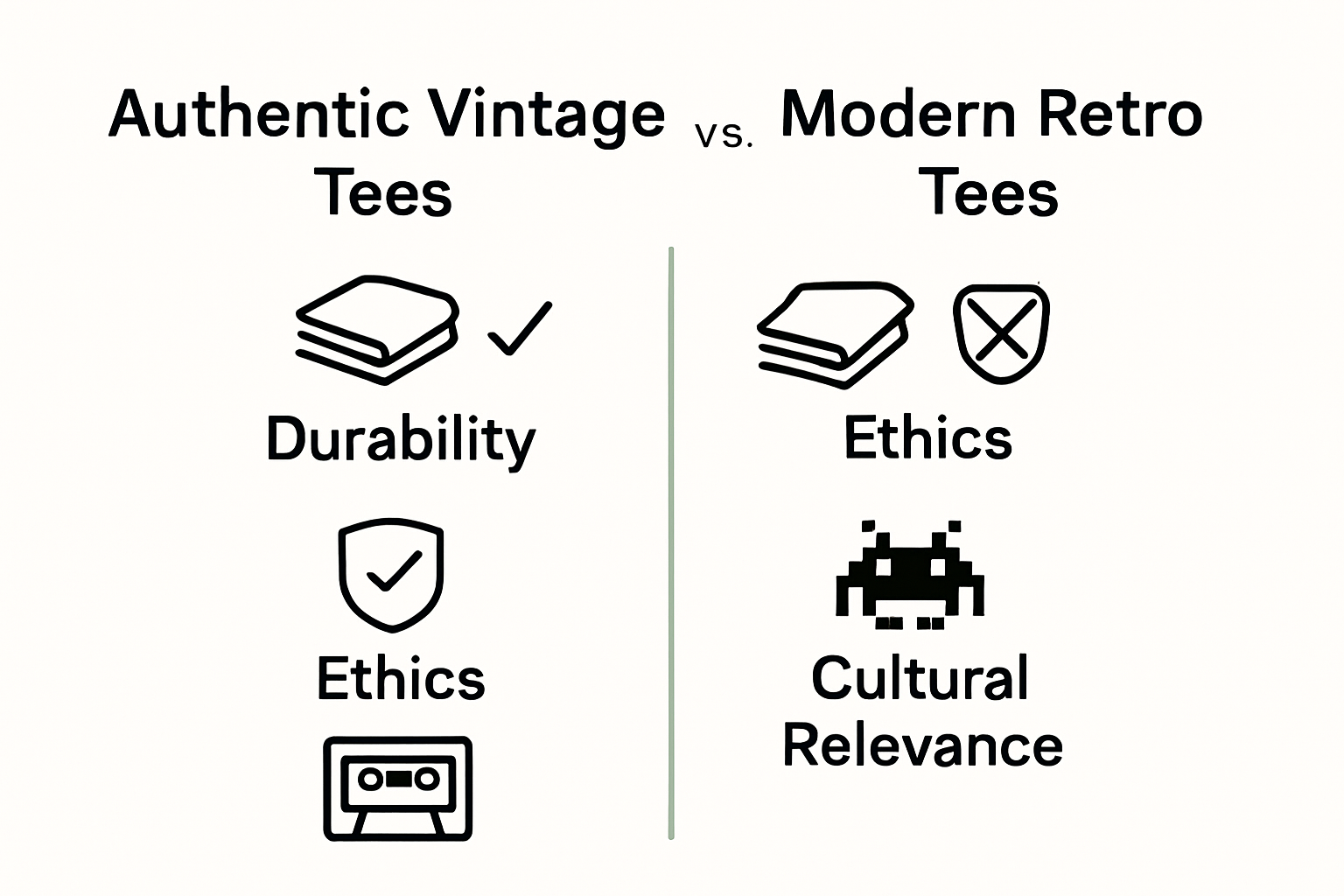
- Overlooking Fabric Quality: Ignoring material composition and potential wear
- Falling for Inauthentic Reproductions: Mistaking mass-produced copies for genuine vintage pieces
- Neglecting Size and Fit: Assuming vintage sizing matches contemporary measurements
- Ignoring Preservation Condition: Purchasing items with irreparable damage or excessive wear
- Overvaluing Nostalgia: Paying premium prices for shirts with minimal historical significance
Explore our guide to smart retro t-shirt selection with expert tips on choosing truly remarkable vintage pieces, where we break down the nuanced art of building an authentic, meaningful vintage wardrobe that tells your unique story.
Experience Retro Tees With Heart and Authenticity
The article highlights common challenges in finding retro t-shirts that truly balance nostalgic style with quality, ethical sourcing, and authentic cultural storytelling. If you have struggled with retro tees that lack durability, miss the mark on genuine vintage vibes, or ignore sustainability, you are not alone. Today’s retro style demands high-quality fabrics, ethical manufacturing, and designs that spark genuine connection, not just surface trends or cheap reproductions.
At ChillStitch.com, we understand your search for clothes that talk back and express identity through humor, nostalgia, and heart. Our collection brings together vintage-inspired graphics and pop culture playfulness on ethically sourced fabrics crafted for comfort and durability. Whether you want your tee to spark conversations or silently wear your statement, our pieces offer more than fashion - they cultivate community and self-expression rooted in integrity and creativity.
Ready to upgrade your wardrobe with retro tees that honor the style, ethics, and cultural depth you care about?
Discover the collection that puts humor, style, and connection first at ChillStitch.com. Embrace your unique story and wear your statement proudly. Start exploring now and find your perfect retro fit that feels good inside and out. Learn more about how to style your tees and curate your collection with guides that inspire your next favorite retro design and smart vintage picks. Your wardrobe upgrade begins here.
Frequently Asked Questions
What defines a modern retro tee?
Modern retro tees are distinguished by their authentic vintage-inspired graphic designs, high-quality fabric, prints that evoke specific cultural moments, and stylistic references to past decades like the 1960s, 1970s, and 1980s.
How does pop culture influence retro t-shirt designs?
Pop culture heavily influences retro t-shirt designs through references to music, movies, gaming culture, and iconic technology nostalgia, often resulting in garments that reflect collective memories and social expression.
What should I look for in the fabric quality of retro tees?
When assessing fabric quality in retro tees, look for sustainable material sourcing such as organic cotton or recycled polyester, as well as durability, comfort, and longevity to ensure a good investment in your wardrobe.
What are common pitfalls to avoid when buying retro t-shirts?
Common pitfalls include overlooking fabric quality, mistaking inauthentic reproductions for genuine vintage pieces, neglecting size and fit, ignoring the preservation condition of the t-shirt, and overvaluing nostalgia which can lead to paying inflated prices for items with little historical significance.