

Over 60 percent of american consumers say vintage graphics instantly capture their attention, often sparking nostalgia and curiosity. These design styles do more than decorate a surface, they connect us to distinct moments in visual history and tell stories that shape our culture. Whether you are interested in fashion, art, or branding, exploring vintage graphics reveals the rich language and enduring impact that classic american visual elements bring to modern creativity.
Table of Contents
- Defining Vintage Graphics And Core Elements
- Popular Styles And Notable Eras In Vintage Graphics
- Influence Of Pop Culture And Media References
- Modern Uses In Apparel And Lifestyle Brands
- Authenticity, Ethical Sourcing, And Quality Tips
Key Takeaways
| Point | Details |
|---|---|
| Understanding Vintage Graphics | Vintage graphics are visual narratives that reflect the aesthetic and cultural sensibilities of their time, serving as historical artifacts. |
| Core Design Principles | Key principles include asymmetric layouts, grid systems, and the use of sans-serif typefaces to enhance clarity and readability. |
| Cultural Influence on Design | Pop culture significantly shapes graphic design, transforming cultural experiences into visual storytelling, as exemplified by the Y2K aesthetic. |
| Modern Branding Applications | Contemporary brands leverage vintage graphic styles to create emotional connections and differentiate themselves in competitive markets. |
Defining Vintage Graphics and Core Elements
Vintage graphics represent a visual language deeply rooted in historical design movements, capturing the aesthetic essence of different eras through artistic expression. These graphic styles transcend mere visual decoration, serving as cultural artifacts that communicate the spirit, mood, and design sensibilities of their respective time periods. From the elegant curves of Art Nouveau posters to the precision of the International Typographic Style, vintage graphics tell rich stories through their unique visual vocabularies.
At the core of vintage graphics lie specific design principles that distinguish them from contemporary design approaches. According to the International Typographic Style research, these principles often include:
- Asymmetric layouts that challenge traditional design symmetry
- Emphasis on grid systems and structured composition
- Preference for sans-serif typefaces like Helvetica
- Strategic use of photography over illustrative elements
- Commitment to clarity, readability, and objective visual communication
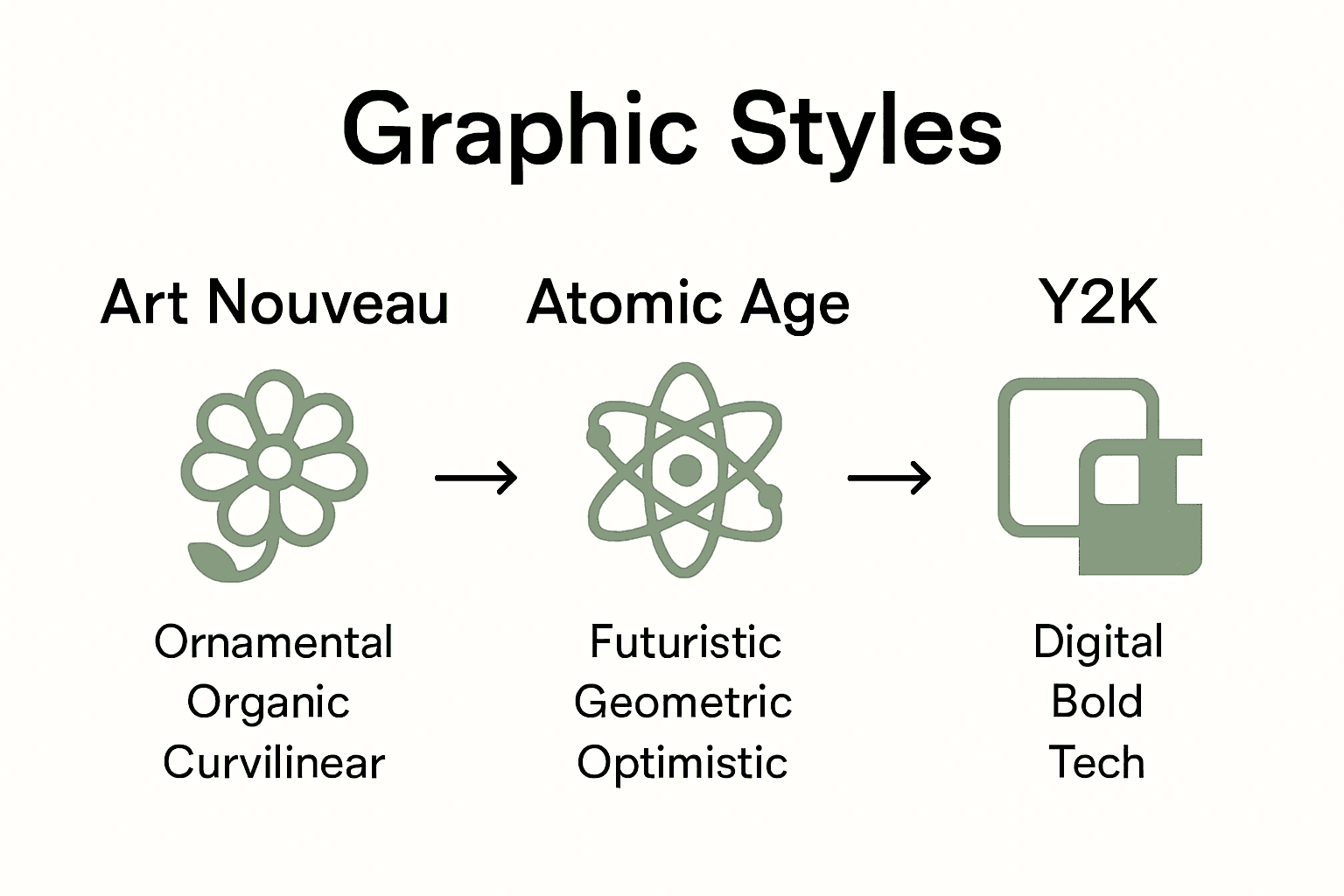
The aesthetic elements of vintage graphics are characterized by distinct stylistic features that reflect their historical context. Art Nouveau graphics, for instance, flourishing between 1890 and 1914, showcased natural curves, stylized female figures, and intricate vegetal decorations. These designs utilized innovative color lithography techniques to create two-dimensional artworks rich with floral motifs and organic forms. By understanding these core elements, designers and enthusiasts can appreciate how vintage graphics serve not just as visual artifacts, but as windows into the cultural and artistic zeitgeist of their respective eras.
When exploring vintage graphics, it’s essential to recognize that these design styles are more than nostalgic representations. They are sophisticated communication tools that blend artistic expression with cultural storytelling. Learn more about the evolution of graphic design in our comprehensive guide on graphic tee culture.
Popular Styles and Notable Eras in Vintage Graphics
Vintage graphic design is a vibrant tapestry of artistic movements that reflect the cultural zeitgeist of different historical periods. Each era brought unique visual languages that captured the technological, social, and aesthetic sensibilities of its time. From the ornate Art Nouveau period to the sleek modernist designs, these graphic styles serve as visual time capsules that communicate far more than just aesthetic preferences.
One particularly fascinating era of vintage graphics is the Atomic Age design, which dominated from 1945 to 1970. According to Wikipedia’s research on Atomic Age design, this period was characterized by a profound fascination with nuclear science and space exploration. Graphic designers during this time incorporated:
- Atomic and molecular motifs
- Space-age symbols
- Futuristic architectural elements
- Bold, forward-looking visual representations of technological progress
Another notable vintage graphic style emerged in the late 1990s and early 2000s, known as the Y2K aesthetic. Research on the Y2K aesthetic reveals a dynamic visual approach marked by metallic materials, vibrant colors, and designs that embodied the technological optimism of the era. This style reflected the rapid digital transformation happening globally, featuring graphics that were simultaneously playful and technologically inspired.
Understanding these graphic design eras helps us appreciate how visual communication evolves with societal changes.
Influence of Pop Culture and Media References
Vintage graphics have always been deeply intertwined with pop culture, serving as visual storytellers that capture the essence of their era’s media landscape. From movies and television to video games and music, these graphic styles emerge as powerful reflections of collective cultural imagination. They transform abstract cultural experiences into tangible visual narratives that resonate with entire generations.
The Y2K aesthetic provides a quintessential example of media’s profound impact on graphic design. According to Wikipedia’s research, this visual style was dramatically shaped by specific pop culture references. Sci-fi films like ‘The Matrix’ and ‘Blade’, along with video games such as ‘Jet Set Radio’, played crucial roles in defining the aesthetic’s futuristic and technology-driven visual language. These media sources didn’t just inspire graphics; they fundamentally reimagined how technology and human experience could be visually represented.
Another fascinating design movement demonstrating media’s influence is the Frutiger Aero style. Research indicates this design approach, prevalent from 2004 to 2013, embodied an optimistic vision of technology harmonizing with nature. Its distinctive characteristics included:
- Natural imagery blended with technological elements
- Bright, hopeful color palettes
- Skeuomorphic design elements
- Utopian visual representations inspired by early 2000s media narratives
Understanding these graphic design movements reveals how pop culture is not just a consumer of visual art, but an active creator of design languages. Explore the fascinating evolution of graphic tees and their cultural significance in our comprehensive style guide.
Modern Uses in Apparel and Lifestyle Brands
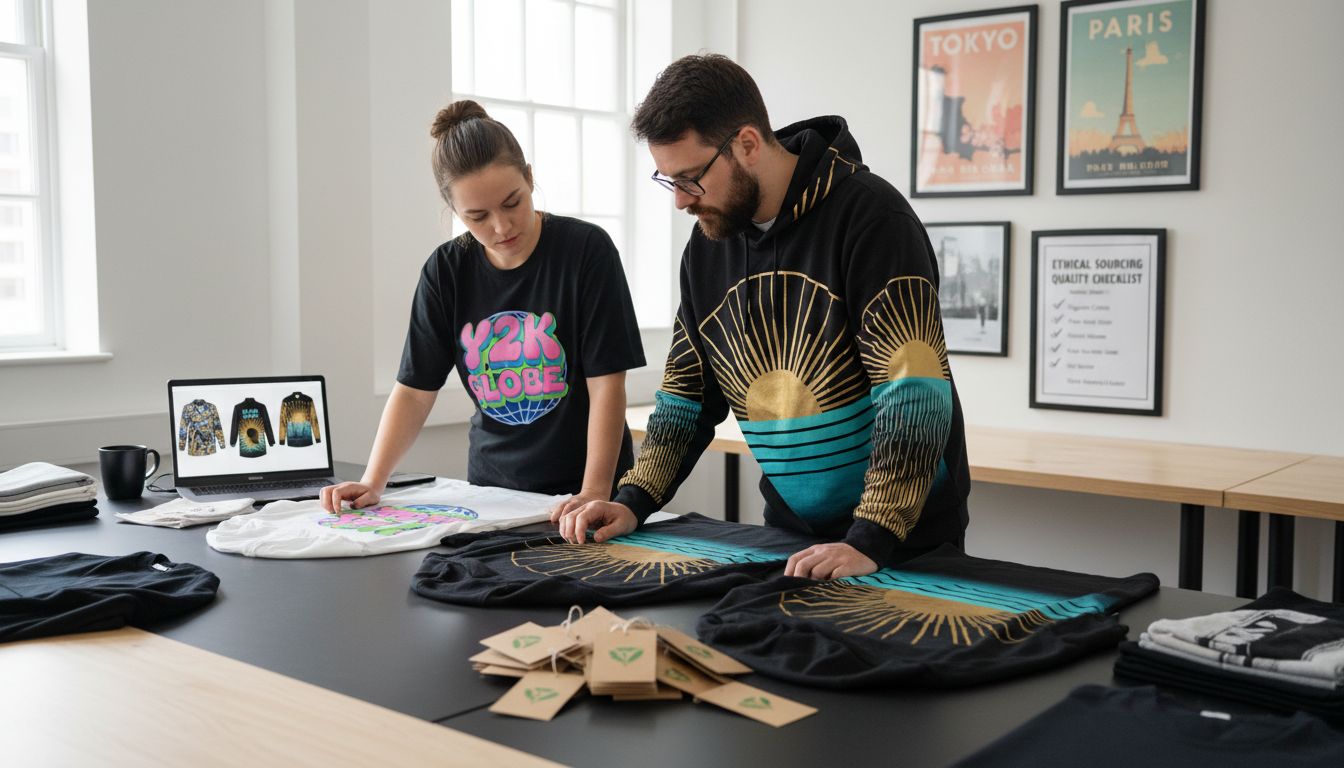
Vintage graphic design has transcended its historical roots to become a powerful contemporary aesthetic in apparel and lifestyle branding. Modern brands increasingly leverage nostalgic visual styles to create emotional connections, communicate unique brand identities, and tap into consumers’ desire for meaningful, storytelling design. These graphic approaches are no longer just historical artifacts but dynamic tools for creative expression and brand communication.
According to Design Shack, contemporary apparel and lifestyle brands are strategically incorporating vintage graphic design styles to differentiate themselves in a crowded marketplace. The most prominent vintage design approaches include:
- Art Deco glamour with geometric precision
- Mid-Century Modern playful and minimalist aesthetics
- Steampunk intricate and imaginative visual narratives
- Nostalgic illustration styles that evoke timeless appeal
Research from Kreafolk further emphasizes how vintage illustration styles create powerful emotional resonance in modern branding. These design approaches do more than simply reference the past; they reinterpret historical visual languages through a contemporary lens, creating products that feel simultaneously familiar and innovative. By blending historical graphic techniques with modern sensibilities, brands can craft visual identities that are both sophisticated and deeply personal.
Authenticity, Ethical Sourcing, and Quality Tips
Authenticity in vintage graphic design is more than a stylistic choice. It represents a deep commitment to historical integrity, creative respect, and meaningful cultural representation. Creators and designers must navigate a complex landscape of inspiration, innovation, and ethical considerations to truly honor the original artistic expressions that define vintage graphic styles.
According to Design Shack, ensuring authenticity requires a rigorous approach to understanding and respecting original works. This involves:
- Thoroughly studying historical graphic design contexts
- Researching original artistic techniques and materials
- Respecting intellectual property rights
- Avoiding direct plagiarism or superficial imitation
- Understanding the cultural significance behind design elements
Research from Kreafolk emphasizes that maintaining quality in vintage-inspired designs demands meticulous attention to detail. Successful vintage graphic approaches require designers to:
- Select appropriate materials that reflect historical accuracy
- Carefully reproduce characteristic stylistic elements
- Preserve the emotional and visual essence of the original era
- Balance historical fidelity with contemporary creative expression
- Demonstrate deep understanding of design evolution
Explore the nuanced world of retro design with our expert comparison of vintage hoodies.
Embrace Vintage Graphics with Style and Heart
Vintage graphics capture more than just history. They express culture, identity, and emotional connection through timeless design elements like Art Deco glamor and Y2K futuristic vibes. If you find yourself drawn to these visual stories and want apparel that speaks your language, ChillStitch.com offers more than clothing. We provide clothes that talk back, crafted from ethically sourced fabrics with care to honor the authenticity and creativity behind vintage-inspired graphics.
Explore our collection to find your statement piece whether it is a retro baseball tee or a cheeky slogan hoodie that reflects your personality. Every piece is designed to spark conversations and connect you with the spirit and style you love. Don’t just wear vintage graphics, wear their story and meaning today by visiting ChillStitch. Discover how humor, nostalgia, and heart come together in apparel that truly expresses who you are.
Frequently Asked Questions
What defines vintage graphics?
Vintage graphics are characterized by their historical design elements, unique stylistic features, and cultural significance from different artistic movements. They serve as visual artifacts that communicate the essence of their respective eras.
What are some core design principles of vintage graphics?
Core design principles include asymmetric layouts, the use of grid systems, preference for sans-serif typefaces, strategic use of photography, and a commitment to clarity and readability.
How have vintage graphics influenced modern apparel and branding?
Modern brands leverage vintage graphic styles to create emotional connections and distinct brand identities, utilizing nostalgic designs to resonate with consumers and convey storytelling through visual art.
What considerations should be taken to ensure authenticity in vintage graphic designs?
Ensuring authenticity involves thoroughly researching historical contexts, respecting original artistic techniques, avoiding plagiarism, and balancing historical accuracy with contemporary creative expression.
Recommended
- Evolution of Graphic Tees: Complete Style Guide – ChillStitchApparel
- Role of Graphic Tees: Everything You Need to Know – ChillStitchApparel
- What Is Retro Clothing Style? Complete Overview – ChillStitchApparel
- Why Choose Graphic Hoodies: Complete Style Guide – ChillStitchApparel
- Create Stunning Designs with Chevron Mosaic Tiles
- Importancia del Diseño Gráfico: Guía Completa 2026