

More than half of American shoppers say comfort is the number one factor when buying casual wear, yet confusion still surrounds what truly makes a sweatshirt soft. Choosing the right sweatshirt goes beyond grabbing the first plush fabric you see. Texture, fiber blends, and innovative textile methods all play a role in providing that buttery hand feel. Unpacking the science behind soft sweatshirts and clearing up common myths will help you discover how true comfort is crafted—and how to spot it on your next shopping trip.
Table of Contents
- Defining Soft Sweatshirts And Common Myths
- Popular Fabrics And Texture Differences
- Comfort, Fit, And Everyday Versatility
- Pop Culture Graphics And Self-Expression
- Ethical Production And Material Sourcing
- Comparing Soft Sweatshirts To Standard Styles
Key Takeaways
| Point | Details |
|---|---|
| Softness is Multifaceted | The softness of a sweatshirt comes from advanced fabric engineering, including fiber treatment and blended materials, rather than just fabric weight. |
| Fabric Matters | Choosing the right fabric, such as ring-spun cotton or cotton-polyester blends, is crucial for a luxurious feel and durability. |
| Comfort and Fit are Essential | A well-fitting sweatshirt enhances comfort; ensure it allows for movement without being baggy or restrictive. |
| Ethical Production is Key | Look for brands committed to ethical practices and sustainable materials to support responsible fashion choices. |
Defining Soft Sweatshirts and Common Myths
Soft sweatshirts are more than just comfortable clothing — they’re a tactile experience defined by intricate material choices and fabric engineering. Fabric hand feel plays a crucial role in determining what makes a sweatshirt truly soft, involving complex interactions between fiber properties, yarn construction, and textile manufacturing techniques.
Contrary to popular belief, softness isn’t just about the primary material but how different fibers are processed and blended. Materials like ring-spun cotton and specialized cotton-polyester blends create unique textures that go beyond simple fabric weight. Specific material compositions contribute to a sweatshirt’s ability to feel luxurious against your skin, with some fabrics engineered to provide exceptional comfort through advanced textile techniques.
Common myths about soft sweatshirts often revolve around misconceptions about fabric weight and manufacturing. Many people assume heavier fabrics automatically mean more comfort, but that’s not always true. Sophisticated weaving techniques, fiber selection, and finishing processes can create lightweight sweatshirts that feel incredibly soft and provide superior wearing experience. The key is understanding the nuanced relationship between material science and textile design.
Pro Tip for Soft Sweatshirt Selection: Always feel the fabric directly and check the material composition — look for sweatshirts with high-quality cotton blends and avoid rough, untreated fabrics that might look good but feel uncomfortable against your skin.
Popular Fabrics and Texture Differences
The world of soft sweatshirts is defined by a diverse array of fabric types, each offering unique tactile experiences and performance characteristics. Common fabric compositions reveal a fascinating spectrum of textile engineering, where materials like ring-spun cotton, combed cotton, and cotton-polyester blends create distinct sensory experiences.
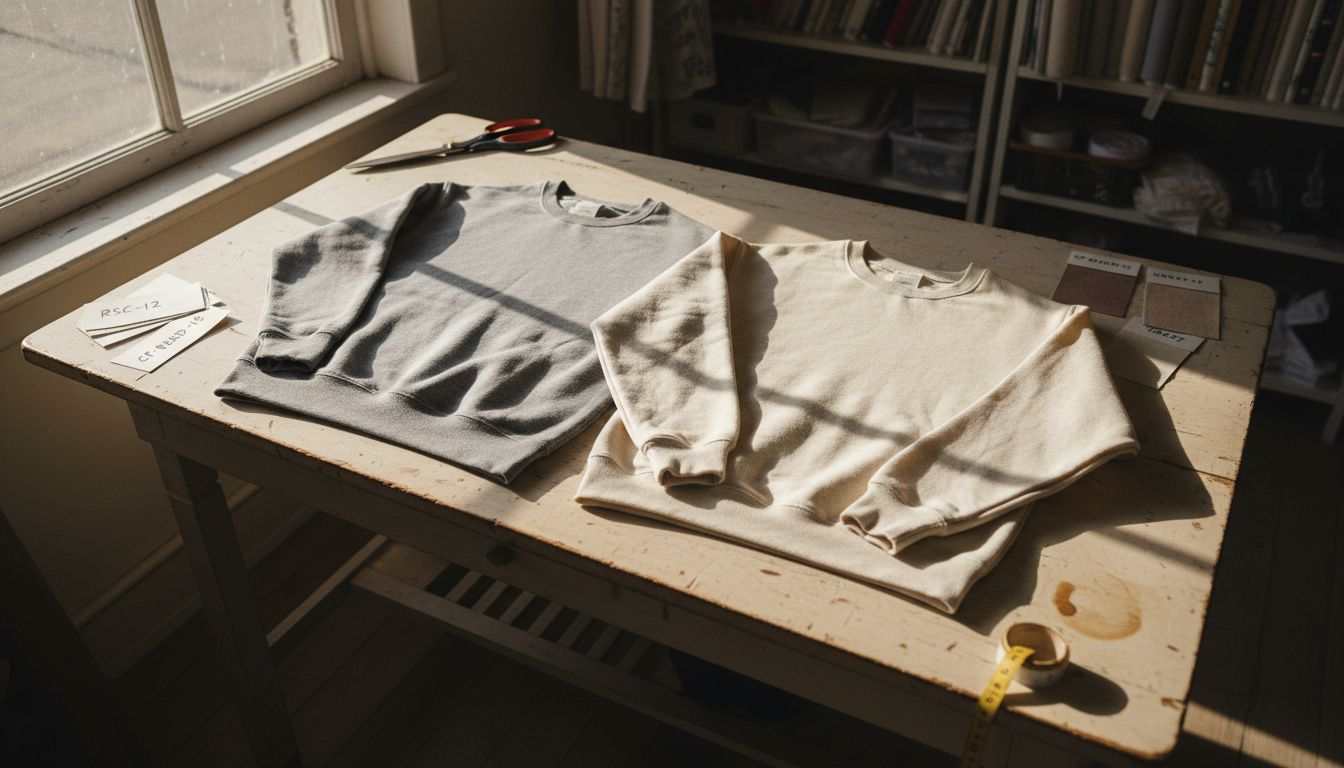
Ring-spun cotton stands out as a premium fabric choice, characterized by its exceptionally smooth texture and enhanced softness. Unlike traditional cotton, this fabric undergoes a specialized spinning process that twists and thins the cotton fibers, creating a remarkably soft and refined surface. Combed cotton takes softness a step further by removing shorter fibers and aligning the remaining strands, resulting in an ultra-smooth, luxurious fabric that feels gentle against the skin.
Cotton-polyester blends represent a strategic approach to sweatshirt design, balancing the natural comfort of cotton with the durability and wrinkle resistance of polyester. These hybrid fabrics offer a compromise between pure cotton’s softness and synthetic materials’ performance attributes. The ratio of cotton to polyester can be adjusted to create sweatshirts with varying weights, textures, and functional properties — from lightweight, silky options to more substantial, warm garments.
Pro Tip for Fabric Selection: When shopping for soft sweatshirts, look beyond the marketing and actually touch the fabric. Pay attention to the fiber content, feel the texture, and consider how the sweatshirt might perform with repeated washing and wearing.
Here’s a quick comparison of popular sweatshirt fabrics and their key attributes:
| Fabric Type | Texture & Softness | Durability | Notable Benefit |
|---|---|---|---|
| Ring-Spun Cotton | Ultra-smooth, very soft | Moderate, prone to wear | Luxurious hand feel |
| Combed Cotton | Exceptionally smooth & gentle | Moderate | No scratchy short fibers |
| Cotton-Poly Blend | Soft, slightly silky | High, resists pilling | Retains shape and finish |
| French Terry | Lightweight, plush loops | Good durability | Excellent moisture-wicking |
Comfort, Fit, and Everyday Versatility
The essence of a great sweatshirt lies in its ability to seamlessly integrate comfort, functionality, and personal style. Innovative fabric blends like cotton-polyester combinations have revolutionized how we experience everyday clothing, offering a perfect balance between softness, durability, and performance.
French Terry fabric emerges as a game-changing material for those seeking ultimate versatility. Its unique loop-back texture provides exceptional moisture-wicking properties, making it ideal for layering and adapting to various temperatures and activity levels. The fabric’s lightweight nature allows for comfortable movement, whether you’re lounging at home, running errands, or engaging in light physical activities.
Understanding fit is crucial when selecting the perfect sweatshirt. The ideal garment should provide enough room for comfortable movement without appearing baggy or restrictive. Different body types require different approaches — some prefer a more relaxed, oversized look, while others opt for a more tailored silhouette that skims the body’s natural lines. Stretchy fabric blends and thoughtful design elements like raglan sleeves and articulated construction can significantly enhance overall comfort and wearability.
Pro Tip for Versatile Sweatshirt Selection: Choose sweatshirts with neutral colors and simple designs that can easily transition between casual and slightly dressed-up environments, maximizing your wardrobe’s flexibility and your clothing investment.
Pop Culture Graphics and Self-Expression
Graphic sweatshirts have evolved far beyond simple clothing items, transforming into powerful canvases of personal storytelling and cultural communication. Unique design elements now allow individuals to express complex aspects of their personality through carefully curated visual narratives printed on soft, comfortable fabrics.
Graphic tee culture represents a dynamic intersection of art, personal identity, and social commentary. These wearable statements enable people to communicate their interests, beliefs, and humor without saying a word. From nostalgic movie references to witty pop culture jokes, graphic sweatshirts serve as a medium of nonverbal communication that transcends traditional fashion boundaries.
The psychological power of graphic sweatshirts lies in their ability to create instant connections and conversations. When someone wears a design that resonates with their inner world — whether it’s a vintage film quote, a beloved comic book character, or an abstract artistic expression — they’re essentially broadcasting a piece of their identity. This visual language allows wearers to signal their tribal affiliations, sense of humor, cultural references, and personal values in a single, effortless gesture.
Pro Tip for Graphic Design Selection: Choose graphics that genuinely reflect your personality and spark joy, not just trending designs. The most powerful self-expression comes from authenticity, not attempting to fit into someone else’s aesthetic.
Ethical Production and Material Sourcing
Ethical clothing production represents a critical evolution in the fashion industry, transforming how consumers think about their wardrobe choices. Innovative fabric blends like organic cotton and bamboo viscose are revolutionizing sustainable manufacturing, offering environmentally conscious consumers high-quality alternatives to traditional textile production methods.
The journey toward sustainable sweatshirt production involves multiple interconnected considerations. Organic fleece materials demonstrate how brands can balance performance, comfort, and environmental responsibility. By carefully selecting materials that minimize ecological impact — such as organic cotton grown without harmful pesticides and sustainably harvested bamboo — manufacturers can create garments that respect both human and environmental well-being.
Transparency in manufacturing processes has become increasingly important for conscientious consumers. Modern ethical production goes beyond material selection, encompassing fair labor practices, reduced carbon footprints, and responsible waste management. Consumers are now demanding more than just comfortable clothing — they want assurance that their purchases support equitable working conditions and contribute to a more sustainable global textile ecosystem.
Pro Tip for Ethical Clothing Selection: Research brands that provide detailed information about their supply chain and production practices. Look for certifications like Fair Trade, GOTS (Global Organic Textile Standard), or B Corp that validate a company’s commitment to ethical and sustainable manufacturing.
Comparing Soft Sweatshirts to Standard Styles
The landscape of sweatshirt design reveals a significant divide between traditional and soft-engineered styles. Premium fabric technologies have transformed what consumers expect from their everyday comfort wear, moving far beyond basic cotton constructions.
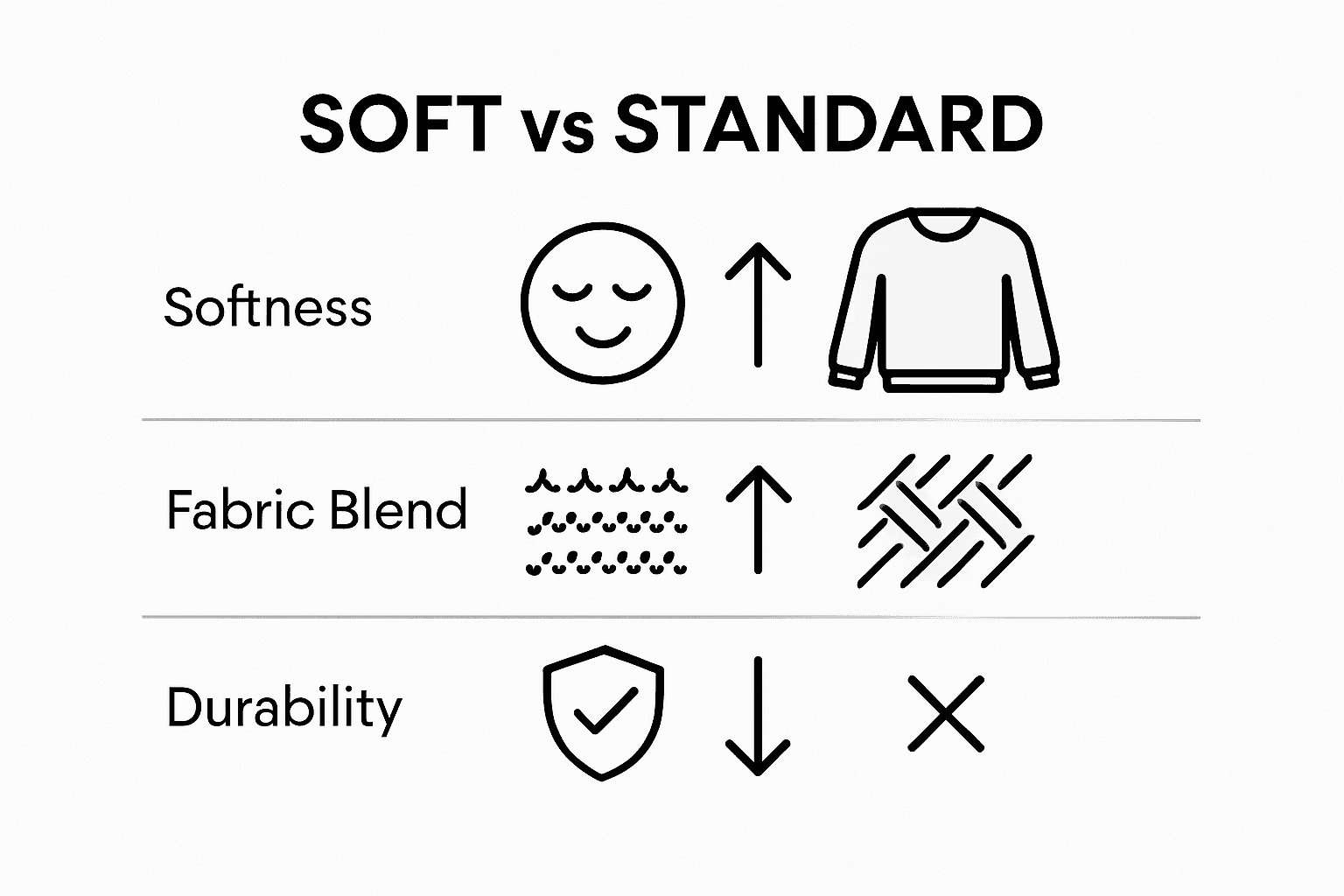
Standard sweatshirts typically feature basic cotton materials with minimal attention to texture and feel. In contrast, soft sweatshirts utilize advanced fabric engineering like ring-spun and combed cotton techniques that fundamentally reimagine textile comfort. These sophisticated manufacturing processes create fabrics with superior smoothness, reduced pilling, and enhanced durability — characteristics that standard styles often lack.
Essential sweatshirt selection tips highlight key differences in performance and wearability. Soft sweatshirts offer improved moisture management, better breathability, and a more pleasant tactile experience. While standard styles might feel stiff and generic, soft sweatshirts adapt to body movement, provide superior comfort, and maintain their shape and texture through multiple wash cycles.
To help you distinguish soft sweatshirts from standard ones, see the feature breakdown below:
| Feature | Soft Sweatshirt | Standard Sweatshirt |
|---|---|---|
| Fabric Technology | Advanced spinning, blending | Basic cotton knit |
| Comfort Level | Consistently soft, gentle feel | Often stiff or rough |
| Durability | Low pilling, retains softness | May lose shape, pill quickly |
| Best For | All-day wear, sensory comfort | Occasional, basic layering |
Pro Tip for Sweatshirt Comparison: Always touch and feel a sweatshirt before purchasing, comparing its texture, weight, and stretch. A high-quality soft sweatshirt should feel smooth, resilient, and comfortable against your skin without feeling heavy or restrictive.
Discover Soft Sweatshirts That Speak Your Style and Comfort Needs
If you have ever struggled to find sweatshirts that combine true softness with unique self-expression you are not alone. This article highlights the challenge many face in choosing garments that offer not only comfort through advanced fabric blends like ring-spun cotton and French Terry but also meaningful graphics that tell your story without sacrificing ethical production. At ChillStitch.com we understand that your hoodie is more than just clothing. It is “Your Hoodie. Your Statement.” and we create sweatshirts that meet the exact goals of softness durability and personal style you want.
Take your sweatshirt game to the next level with our vintage-inspired designs printed on ethically sourced, soft fabrics engineered for comfort and longevity. Experience clothes that talk back and spark conversations while wearing something that truly feels good. Visit ChillStitch.com now to explore our collection of tees hoodies and sweatshirts designed to say it loud and wear it proud. Don’t wait to transform your wardrobe with humor style and connection in every stitch.
Frequently Asked Questions
What materials are commonly used in soft sweatshirts?
Soft sweatshirts are often made from high-quality materials like ring-spun cotton, combed cotton, and cotton-polyester blends, which enhance their softness and comfort.
How do I choose the right fit for a soft sweatshirt?
When selecting a soft sweatshirt, consider your body shape and personal style. Look for options that provide enough room for movement without being baggy. Features like raglan sleeves can improve comfort and mobility.
What factors contribute to the softness of a sweatshirt?
The softness of a sweatshirt is influenced by fabric construction methods, fiber selection, and finishing processes. Ring-spun and combed cotton processes enhance the smoothness and tactile experience, making the garments feel luxurious against the skin.
Are soft sweatshirts suitable for layering?
Yes, soft sweatshirts, especially those made from lightweight materials like French terry, are excellent for layering. They provide comfort and versatility, making them ideal for various activities and temperature changes.