

Every wardrobe in American culture holds at least one graphic tee, showing just how universal this form of self-expression has become. These bold shirts are more than fashion—they capture movements, tell stories, and reflect identity in ways that words sometimes cannot. With over 80 percent of American teens owning graphic tees, their impact stretches far beyond simple style, turning everyday clothing into cultural statements that spark conversation and reveal personality.
Table of Contents
- What Are Graphic Tees? Origins And Core Meaning
- Milestones In Graphic Tee Evolution
- Vintage, Pop Culture, And Statement Styles
- Humor, Identity, And Connection Through Tees
- Ethical Sourcing And Modern Trends
Key Takeaways
| Point | Details |
|---|---|
| Graphic Tees as Expression | Graphic tees serve as powerful tools for personal expression, reflecting the wearer’s identity through designs and messages. |
| Cultural Significance | The evolution of graphic tees mirrors significant cultural movements, making them historical artifacts of social and political dialogue. |
| Sustainability Focus | Modern consumers prioritize ethical sourcing and sustainability in graphic tee production, influencing brand practices and consumer choices. |
| Collectible Art | Vintage and limited edition graphic tees are increasingly viewed as collectible items representing cultural moments, blurring fashion and art. |
What Are Graphic Tees? Origins and Core Meaning
Graphic tees represent more than just clothing - they are walking billboards of personal expression, cultural commentary, and wearable art. These distinctive garments trace their roots back to the mid-20th century, when t-shirts transitioned from mere undergarments to standalone fashion statements. Originally designed as simple undershirts, t-shirts gained mainstream popularity after iconic actors like Marlon Brando dramatically showcased them in films, transforming their social perception from hidden layers to bold self-expression.
At their core, graphic tees are t-shirts featuring printed designs, illustrations, photographs, text, or artwork that communicate something meaningful about the wearer’s personality, interests, or beliefs. Unlike plain shirts, these garments serve as personal canvases that allow individuals to broadcast their identity without saying a word. From band logos and pop culture references to political statements and humorous slogans, graphic tees have become a powerful medium of nonverbal communication.
The evolution of graphic tees mirrors broader cultural shifts. What began as basic military undershirts and workwear gradually transformed into a dynamic fashion genre that captures zeitgeist moments. Musicians, artists, and counterculture movements embraced graphic tees as tools for rebellion, social commentary, and community building. Punk rockers, hip hop artists, and youth subcultures used these wearable statements to challenge social norms and create visual dialogues about identity.
Pro Tip: Choose graphic tees that genuinely resonate with your personal narrative. A well-selected graphic tee isn’t just clothing - it’s a conversation starter that reflects your unique perspective and connects you with like-minded individuals.
Milestones in Graphic Tee Evolution
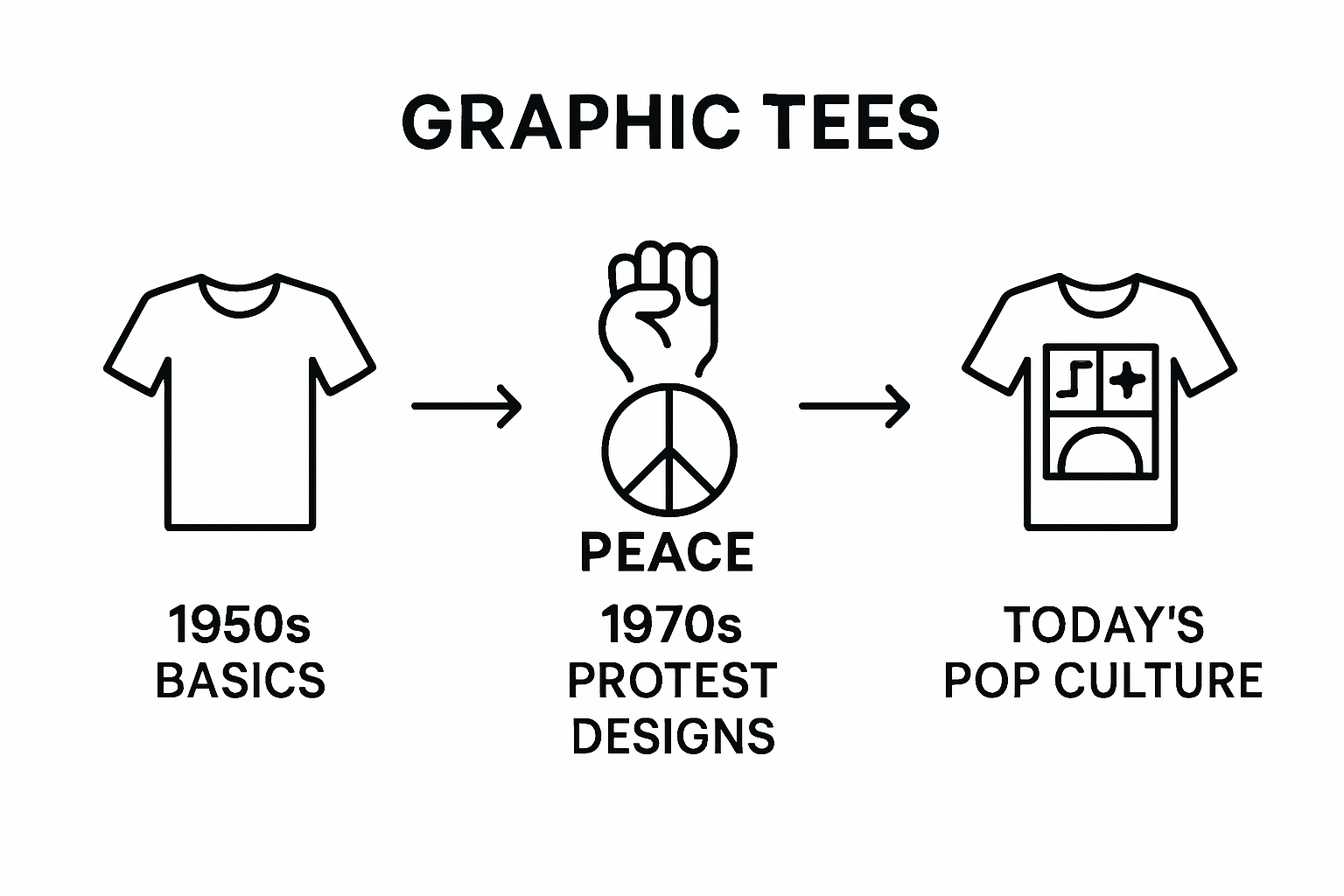
The journey of graphic tees is a vibrant narrative of cultural rebellion and self-expression, marked by pivotal moments that transformed these garments from simple clothing items into powerful communication tools. In the 1950s, the first significant milestone emerged when Hollywood actors like Marlon Brando popularized t-shirts as standalone fashion pieces, breaking away from their traditional status as underwear. This era signaled the beginning of t-shirts as statements of personal style and cultural identity.
The 1960s and 1970s saw graphic tees become potent platforms for social and political messaging. Counterculture movements, particularly the anti-war and civil rights campaigns, embraced t-shirts as canvases for protest. Bands like The Rolling Stones and political activists used graphic designs to spread messages, turning these garments into tools of social commentary. Tie-dye patterns, psychedelic graphics, and political slogans became visual representations of generational rebellion and artistic freedom.
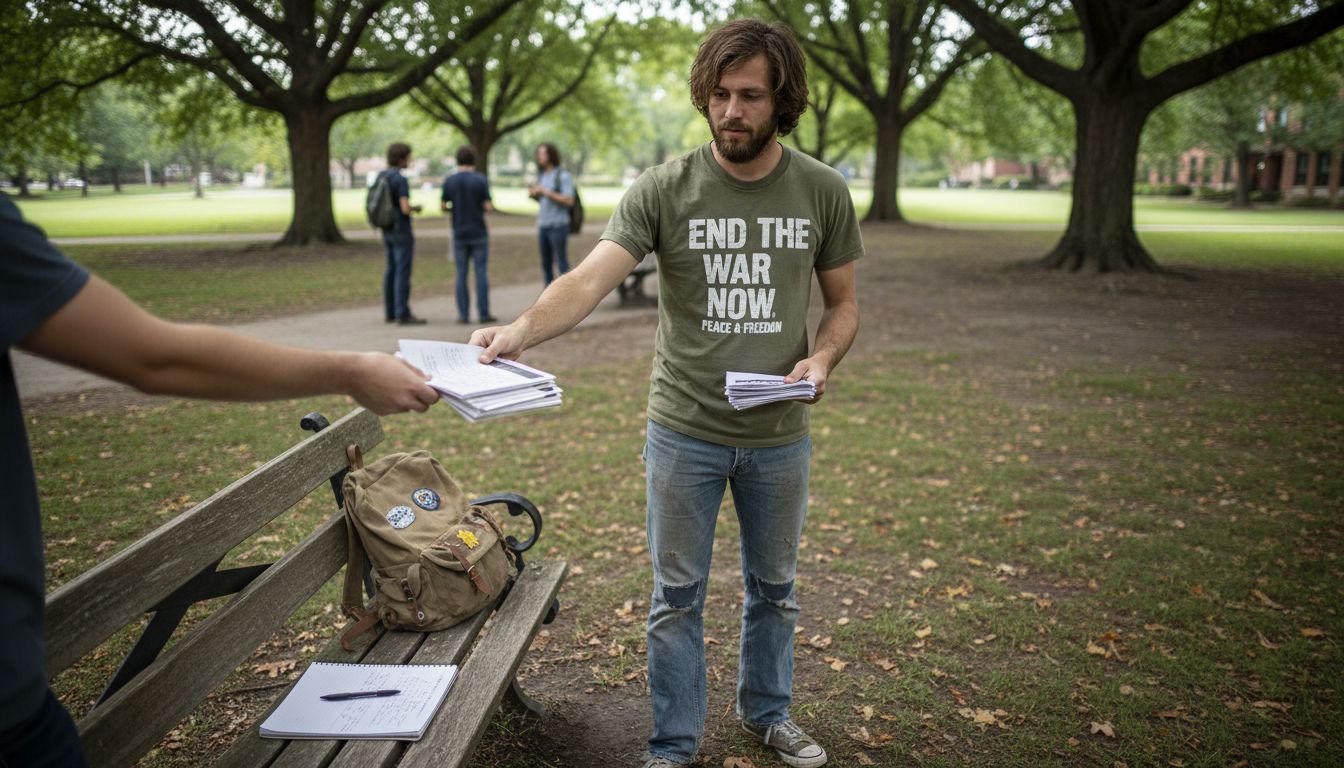
The 1980s and 1990s marked a transformative period for graphic tee culture, with hip-hop and grunge movements dramatically reshaping their aesthetic and cultural significance. Oversized streetwear, band merchandise, and celebrity-endorsed slogan tees became mainstream fashion statements. Musicians like Kurt Cobain and hip-hop artists popularized graphic tees as essential elements of personal style, blurring the lines between music, fashion, and social identity. Brands began recognizing the marketing potential of graphic tees, turning them into powerful communication and branding tools.
Pro Tip: Collect graphic tees that represent meaningful cultural moments. Beyond fashion, these garments are historical artifacts that capture the spirit of their time, serving as wearable memories and conversation starters.
Here is a timeline highlighting major eras in graphic tee history:
| Era | Key Characteristics | Cultural Context |
|---|---|---|
| 1950s | T-shirts as outerwear | Hollywood influence, youth rebellion |
| 1960s-70s | Protest and counterculture graphics | Civil rights, anti-war, rock bands |
| 1980s-90s | Mass marketing and music influence | Hip-hop, grunge, celebrity endorsement |
| 2000s-Present | Personalization, sustainability focus | Digital design, ethical consumption |
Vintage, Pop Culture, and Statement Styles
Graphic tees have emerged as powerful cultural artifacts that transcend simple fashion, serving as dynamic canvases that capture the essence of different eras and social movements. Vintage graphic styles represent more than just nostalgic clothing pieces - they are time capsules that preserve the visual language of past decades. From the psychedelic prints of the 1960s to the bold band graphics of the 1980s, these designs reflect the social, musical, and artistic zeitgeist of their respective periods.
Pop culture graphic tees have become especially significant as wearable storytelling devices. Musicians, movies, television shows, and iconic personalities have transformed t-shirts into mediums of cultural expression. A vintage concert t-shirt from a legendary band or a movie poster graphic isn’t just clothing - it’s a statement of personal identity, musical taste, and cultural allegiance. These shirts allow wearers to communicate complex narratives about their interests, emotional connections, and generational experiences without uttering a single word.
Statement styles in graphic tees represent the evolution of social communication through fashion. Political movements, social justice campaigns, humor, and personal philosophies find powerful expression through carefully designed graphics. Whether it’s a civil rights slogan, a feminist declaration, an ironic pop culture reference, or a minimalist artistic design, these tees serve as portable billboards that challenge, provoke, and inspire conversation. The graphic tee has become a democratic art form, allowing individuals from all backgrounds to broadcast their beliefs, humor, and personal aesthetics.
Pro Tip: Curate your graphic tee collection thoughtfully. Choose pieces that not only reflect your personal style but also tell a story - each shirt should be a conversation starter that reveals something meaningful about your journey, interests, and perspective.
Here’s a quick guide to popular graphic tee styles and what they communicate:
| Style Type | Typical Features | Message or Effect |
|---|---|---|
| Vintage | Retro logos, faded prints | Nostalgia, cultural memory |
| Pop Culture | Movie, TV, music motifs | Shared interests, connection |
| Statement | Political, philosophical text | Social stance, personal beliefs |
| Artistic | Abstract, unique illustrations | Creativity, individuality |
Humor, Identity, and Connection Through Tees
Graphic tees have transcended mere clothing to become powerful mediums of personal expression, transforming everyday fashion into a nuanced language of identity and connection. Band tees and underground designs emerged as cultural currency, allowing individuals to communicate their musical tastes, social affiliations, and personal philosophies through carefully chosen graphics. These shirts became more than fabric - they became portable statements that instantly signal a wearer’s interests, sense of humor, and cultural allegiances.
The counterculture movements of the 1960s and 1970s revolutionized graphic tees as platforms for social dialogue. Protest slogans, peace symbols, and provocative imagery turned personal attire into powerful tools of activism and self-expression. Skate and hip-hop cultures further amplified this trend, using graphic tees as canvases for rebellion, artistic expression, and community building. Humor became a critical component of this communication, with witty slogans and ironic designs allowing wearers to challenge social norms and connect with like-minded individuals through shared comedic sensibilities.
Today, graphic tees continue to serve as dynamic tools of personal branding and social connection. They offer instant insights into a person’s personality - whether through pop culture references, political statements, musical preferences, or comedic sensibilities. A well-chosen graphic tee can spark conversations, create instant connections with strangers, and provide a unique window into the wearer’s inner world. The democratization of design through digital platforms has further expanded this medium, allowing individuals to create and share highly personalized expressions of identity.
Pro Tip: Choose graphic tees that genuinely reflect your authentic self. The most powerful shirts are those that make you feel confident, spark genuine conversations, and create meaningful connections with others who share your sense of humor and perspective.
Ethical Sourcing and Modern Trends
The graphic tee landscape has dramatically transformed, with contemporary consumers demanding more than just stylish designs. Modern graphic tee trends are increasingly defined by ethical sourcing, sustainability, and conscious production practices, reflecting a significant shift in consumer values and industry approaches. Brands are now recognizing that transparency in manufacturing, fair labor practices, and environmental responsibility are not just optional extras, but essential requirements for connecting with socially aware customers.
Digital technology has revolutionized graphic tee design and production, enabling unprecedented levels of personalization and creative expression. Artists and designers can now create complex, intricate graphics with ease, while print-on-demand technologies reduce waste and allow for more sustainable manufacturing processes. Independent creators and small brands have gained unprecedented access to global markets, breaking down traditional barriers to entry and diversifying the graphic tee ecosystem.
The collector market for graphic tees has also evolved, with vintage and limited edition designs becoming valuable cultural artifacts. Consumers are increasingly viewing graphic tees as more than just clothing - they are collectible pieces of wearable art that represent specific moments in cultural history. Brand collaborations, limited edition releases, and artist-designed collections have transformed graphic tees into coveted items that blur the lines between fashion, art, and personal expression.
Pro Tip: Research the ethical practices behind your graphic tees. Choose brands that prioritize sustainable materials, fair labor practices, and transparent supply chains, turning your fashion choices into meaningful statements of social responsibility.
Wear Your Story with Graphic Tees That Speak
The journey of graphic tees is rooted in personal expression, cultural identity, and meaningful connection. This article highlights how graphic tees have evolved from simple clothing items to powerful conversation starters that showcase your beliefs, humor, and style. At ChillStitch, we understand the challenge of finding apparel that truly reflects who you are while aligning with your values. Our collection combines vintage-inspired designs, pop culture references, and witty slogans printed ethically to help you “Say It Loud. Wear It Proud.”
Discover Clothes That Talk Back at ChillStitch.com. Whether you want a hoodie that makes a statement or a tee that sparks conversations, our styles are crafted to connect and inspire right now. Don’t just wear clothing—wear a piece of culture, humor, and your authentic self. Explore our unique collection today and let your wardrobe speak volumes.
Frequently Asked Questions
What are graphic tees?
Graphic tees are t-shirts that feature printed designs, illustrations, photographs, text, or artwork. They serve as a form of personal expression and communication, allowing wearers to showcase their interests, beliefs, and personality.
How did graphic tees emerge as a cultural phenomenon?
Graphic tees gained popularity in the mid-20th century, transitioning from simple undershirts to fashion statements. They became associated with cultural movements, rebellion, and social commentary, particularly during the 1960s and 1970s.
What types of graphics are commonly found on graphic tees?
Graphic tees can feature a variety of graphics, including vintage designs, pop culture references, political statements, and artistic illustrations. Each style communicates different messages about the wearer’s identity and interests.
How can I curate a meaningful graphic tee collection?
When curating a graphic tee collection, choose pieces that resonate with your personal narrative. Look for shirts that tell a story, reflect your tastes, and serve as conversation starters about your experiences and interests.