

Scrolling through your feed and spotting a graphic tee that perfectly captures your vibe feels like catching lightning in a bottle. For Millennial and Gen Z pop culture fans craving apparel that is as bold as their personalities, lifestyle branding has become more than just a retail buzzword—it is a guiding force behind how brands connect with identities, humor, and values. Explore how lifestyle branding creates powerful emotional resonance and why choosing ethical fashion matters for your community-driven wardrobe.
Table of Contents
- Defining Lifestyle Branding in Modern Culture
- Types of Lifestyle Brands and What Sets Them Apart
- Key Elements and Emotional Drivers of Lifestyle Brands
- The Role of Community and Storytelling in Branding
- Benefits, Pitfalls, and Common Misconceptions
Key Takeaways
| Point | Details |
|---|---|
| Emotional Engagement | Lifestyle branding fosters deep emotional connections, encouraging consumer loyalty through authentic narratives and community engagement. |
| Cultural Representation | Successful brands reflect the cultural values and aspirations of their target audiences, creating a sense of belonging and shared identity. |
| Digital Integration | Effective lifestyle brands utilize digital platforms to provide personalized experiences, enhancing consumer interactions and engagement. |
| Strategic Authenticity | Building a lifestyle brand requires genuine understanding and commitment to community values, moving beyond superficial marketing tactics. |
Defining Lifestyle Branding in Modern Culture
Lifestyle branding has transformed from a simple marketing strategy into a profound cultural phenomenon that connects brands directly with consumer identities. Strategic brand positioning now goes far beyond traditional advertising, focusing instead on creating emotional landscapes where products represent more than mere commodities.
At its core, lifestyle branding represents a holistic approach to consumer engagement. Modern brands recognize that people don’t just purchase products - they invest in narratives, communities, and symbolic representations of their personal and social values. This shift means brands must understand and authentically reflect the complex cultural aspirations of their target audiences.
Key characteristics of contemporary lifestyle branding include:
- Emotional resonance over transactional interactions
- Representation of group identities and cultural movements
- Digital platform integration for personalized experiences
- Alignment with social and environmental values
- Creation of symbolic universes that consumers want to belong to
Digital technologies have dramatically accelerated lifestyle branding’s evolution, enabling more nuanced, personalized connections between brands and consumers. Sustainable lifestyle representations now serve as powerful mechanisms for inspiring cultural change and building deep consumer loyalty.
Pro tip: Authentic lifestyle branding requires genuine understanding of your audience’s aspirations, not just surface-level demographic targeting.
Types of Lifestyle Brands and What Sets Them Apart
Lifestyle brands have evolved into complex ecosystems that transcend traditional product marketing, representing diverse cultural positioning strategies that connect deeply with specific consumer segments. These brands are no longer defined simply by what they sell, but by the narratives, values, and experiences they create.
Modern lifestyle brands can be categorized across several distinctive dimensions:
- Cultural Innovators: Brands that drive social movements and represent progressive values
- Community Builders: Platforms that create sense of belonging beyond consumption
- Digital Storytellers: Brands leveraging technology to craft immersive narratives
- Niche Experience Creators: Targeting hyper-specific lifestyle segments
- Emotional Identity Architects: Designing brand experiences that reflect personal aspirations
Digital platforms have dramatically transformed how lifestyle brands engage consumers, enabling nuanced brand-oriented positioning strategies that go far beyond traditional marketing approaches. These brands now function as cultural partners, not just product providers.
The most successful lifestyle brands understand that consumers don’t just buy products - they invest in symbolic representations of their desired identities, social connections, and personal narratives. By authentically embodying specific cultural values and aesthetic sensibilities, these brands create powerful emotional resonance that transcends mere transactional relationships.
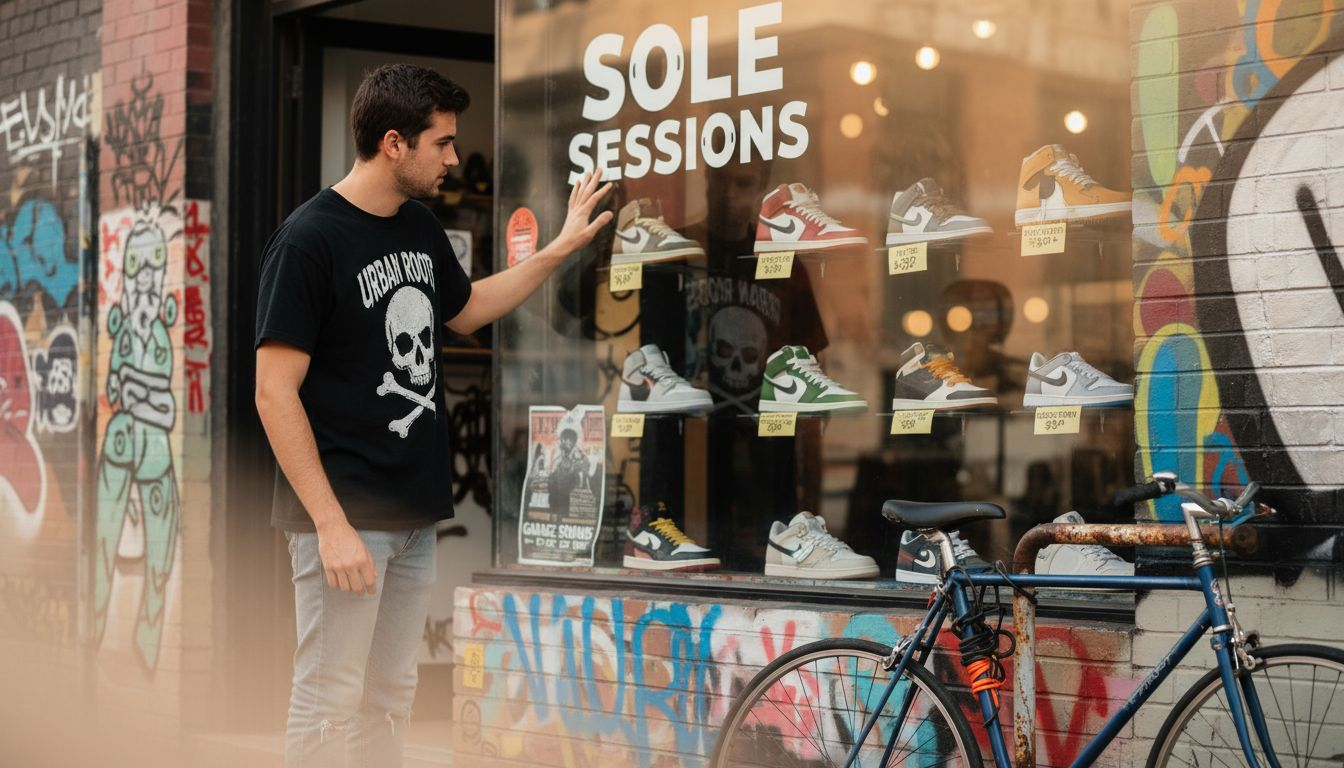
Here’s how various types of lifestyle brands differ in their strategic approach and consumer impact:
| Brand Type | Core Strategy | Typical Consumer Benefit |
|---|---|---|
| Cultural Innovators | Promote social change | Feeling of progressiveness |
| Community Builders | Foster belonging | Social connection |
| Digital Storytellers | Use immersive tech | Engaging brand narratives |
| Niche Experience Creators | Target specific interests | Personalized experiences |
| Emotional Identity Architects | Reflect personal values | Self-expression opportunities |
Pro tip: Develop your lifestyle brand by understanding the deeper psychological aspirations of your target audience, not just their surface-level demographic characteristics.
Key Elements and Emotional Drivers of Lifestyle Brands
Lifestyle brands have become sophisticated emotional ecosystems that go far beyond traditional product marketing, creating powerful symbolic value through deep psychological connections with consumers. These brands are not merely selling products, but crafting entire narratives that resonate with individual and collective identities.
The core emotional drivers of successful lifestyle brands include:
- Authenticity: Genuine representation of shared values
- Identity Signaling: Enabling consumers to express their inner selves
- Community Creation: Fostering belonging beyond transactional relationships
- Personalization: Tailoring experiences to individual aspirations
- Emotional Storytelling: Crafting compelling narratives that transcend product features
Brand personality research reveals that the most compelling lifestyle brands create a sense of emotional intimacy by understanding and reflecting the psychological landscapes of their target audiences. They don’t just sell products - they offer pathways to personal transformation and social connection.
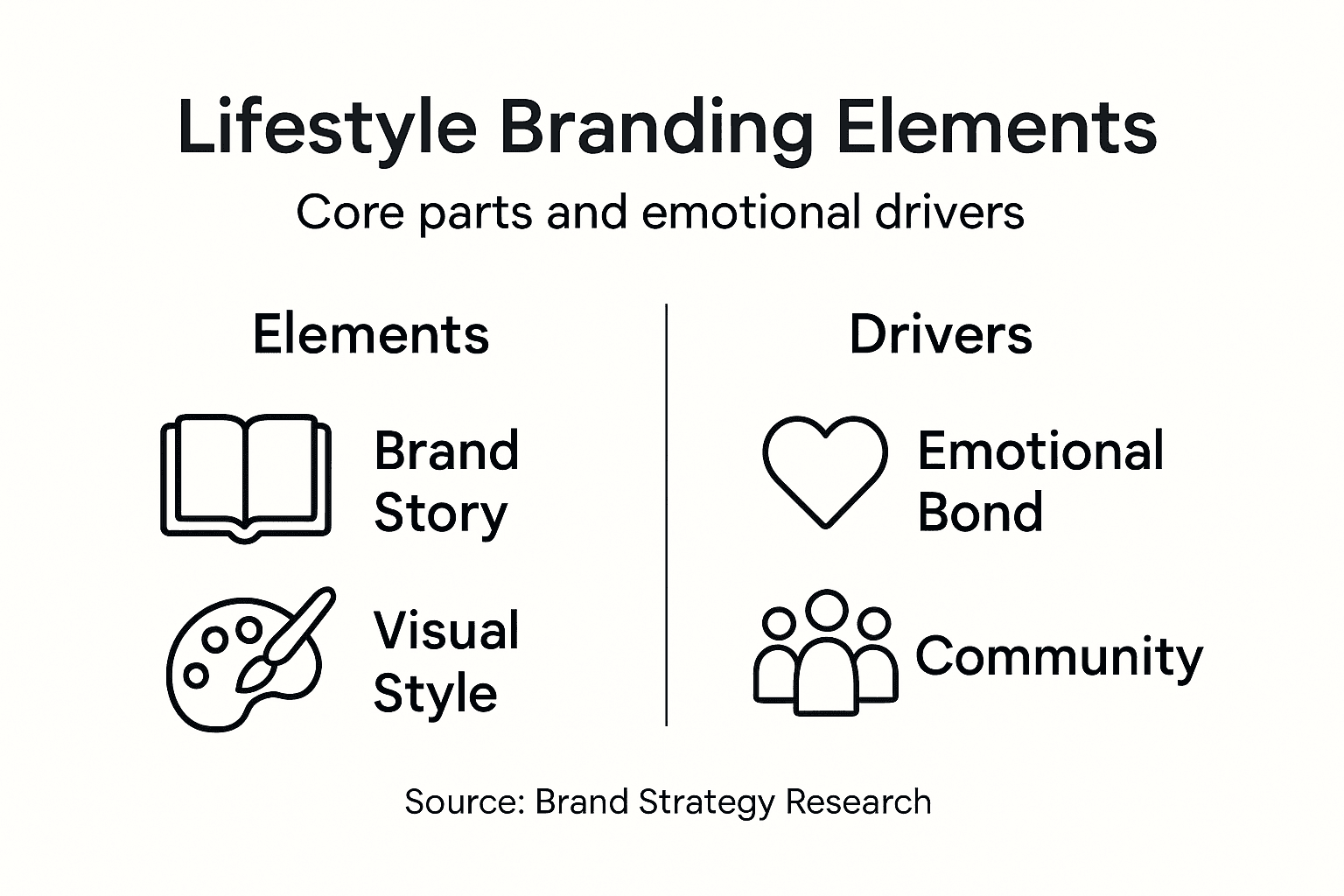
Successful lifestyle brands achieve this through consistent, nuanced representation of cultural values, carefully curated aesthetic experiences, and an unwavering commitment to understanding the deeper emotional needs of their consumers. By creating these multidimensional connections, they transform from mere commercial entities into trusted cultural partners.
Pro tip: Build your lifestyle brand by developing a deep, empathetic understanding of your audience’s unspoken desires and aspirational identities.
The Role of Community and Storytelling in Branding
In the contemporary brand landscape, community and storytelling have transformed from marketing tactics to fundamental mechanisms of cultural connection. Digital platforms enable brand community co-creation that goes far beyond traditional consumer-brand relationships, allowing for unprecedented levels of engagement and collective identity formation.
Key elements of effective brand storytelling and community building include:
- Authentic Narrative: Crafting genuine, relatable stories
- Participatory Engagement: Allowing consumers to contribute and shape brand identity
- Cultural Resonance: Reflecting shared values and collective experiences
- Interactive Platforms: Creating spaces for meaningful dialogue
- Emotional Connectivity: Developing deeper psychological bonds
Urban tribes and lifestyle communities demonstrate how powerful narratives can activate collective mindsets and create profound sense of belonging. Modern brands are no longer distant entities, but active participants in consumers’ social and cultural ecosystems.
Successful brand storytelling requires a nuanced understanding of audience identity, cultural context, and the psychological mechanisms that drive human connection. By creating narratives that transcend product features and tap into deeper aspirational experiences, brands can transform from commercial entities into meaningful cultural partners.
Pro tip: Design your brand narrative as a collaborative journey, not a monologue, by actively listening and integrating your community’s voices and experiences.
Benefits, Pitfalls, and Common Misconceptions
Lifestyle branding offers powerful opportunities for brands to connect deeply with consumers, but navigating this landscape requires strategic nuance. Strategic complexity demands authentic engagement, challenging brands to move beyond superficial marketing tactics and create genuine cultural resonance.
Key benefits and potential challenges include:
-
Benefits:
- Enhanced emotional consumer connections
- Long-term brand loyalty
- Cultural relevance and impact
- Deeper audience understanding
-
Potential Pitfalls:
- Risk of inauthentic representation
- Potential value misalignment
- Overgeneralization of audience experiences
- Complexity of maintaining consistent brand narrative
Brand equity challenges reveal that lifestyle branding is not a one-size-fits-all strategy. Successful implementation requires nuanced understanding of target communities, genuine value alignment, and consistent, authentic storytelling.
The following table summarizes benefits and pitfalls of lifestyle branding for businesses:
| Aspect | Benefit | Pitfall |
|---|---|---|
| Emotional Engagement | Greater loyalty | Risk of inauthenticity |
| Cultural Relevance | Increased impact | Requires ongoing adaptation |
| Audience Understanding | Deep connections | Overgeneralization risk |
| Brand Narrative | Strong identity | Consistency challenges |
Common misconceptions often underestimate the strategic depth required. Lifestyle branding isn’t limited to fashion or broad product ranges - it’s a sophisticated approach to building meaningful connections that transcend traditional marketing boundaries. Brands must continuously evolve, listen to their communities, and demonstrate genuine commitment to shared values.
Pro tip: Approach lifestyle branding as a collaborative dialogue, not a monologue, by continuously adapting your narrative to reflect your community’s genuine experiences and aspirations.
Express Your Identity Through Authentic Lifestyle Apparel
The article highlights that lifestyle branding goes beyond selling products to building emotional connections, communities, and personal identity. Many brands struggle with creating authentic narratives that truly resonate with their audience’s aspirations and cultural values. If you want clothing that reflects your personality, sparks conversations, and creates a sense of belonging, then ChillStitch.com offers the perfect solution. Our vintage-inspired tees, hoodies, and sweatshirts are crafted as Clothes That Talk Back, embodying humor, nostalgia, and heart to help you express yourself boldly and authentically.
Discover how your wardrobe can become a symbolic universe of self-expression and community with designs that connect deeply to cultural touchstones and personal stories. Visit ChillStitch now to explore apparel made for those who value Humor Style Connection. Say it loud. Wear it proud. Your statement starts here—embrace the lifestyle brand that understands your identity and transforms it into wearable art.
Frequently Asked Questions
What is lifestyle branding?
Lifestyle branding is a marketing strategy that connects brands with consumer identities by creating emotional landscapes where products symbolize personal and social values. It goes beyond traditional advertising to reflect cultural aspirations and community engagement.
How does digital technology influence lifestyle branding?
Digital technology enables brands to establish personalized connections with consumers through immersive narratives and community engagement, enhancing the overall lifestyle branding experience.
What are the key characteristics of successful lifestyle brands?
Successful lifestyle brands often emphasize emotional resonance, represent group identities, align with social and environmental values, and create immersive environments that engage consumers on deeper levels.
What are common misconceptions about lifestyle branding?
A common misconception is that lifestyle branding is limited to specific product categories, like fashion. In reality, it is a comprehensive approach that focuses on building meaningful connections with consumers across various markets and industries.
Recommended
- Role of Slogans in Apparel: Beyond Just Style – ChillStitchApparel
- Why Statement Clothing Matters for Self-Expression – ChillStitchApparel
- Creativity in Clothing Design: Why It Matters – ChillStitchApparel
- Why Wear Slogan Tees: Expression, Humor, and Connection – ChillStitchApparel
- GeoKeeps - Custom Map Jewelry | Personalized Necklaces & Pendants
- Iceland Photographer in Reykjavik | Landscape Storytelling