

Layering streetwear isn’t just about staying warm. It’s about creating a visual story that blends humor, retro vibes, and your cultural identity into one cohesive look. For urban fashion enthusiasts, the challenge lies in balancing practicality with personality, mixing textures and colors while keeping the silhouette clean and intentional. This article breaks down the essential criteria for effective layering, explores popular options that inject character into your outfit, compares classic versus funkier approaches, and provides situational guidance to help you nail your signature style every time.
Table of Contents
- Key takeaways
- Understanding the layering criteria: fabric, fit, and functionality
- Top layering options to blend humor and retro flair in streetwear
- Comparing layering methods: classic vs. funkier mixes for urban fashion
- Deciding your perfect layering style: situational tips and expert nuances
- Find your perfect streetwear layers at ChillStitch
- Frequently asked questions about streetwear layering
Key Takeaways
| Point | Details |
|---|---|
| Three layer system | A three layer framework uses base mid and outer pieces to balance warmth structure and silhouette. |
| Texture and sleeve variety | Mixing textures and colors plus layering sleeves at different lengths adds depth and visual interest. |
| Body type tailoring | Layer choices should fit your body type and climate to maximize comfort and style. |
| Humor and retro graphics | Graphics such as witty slogans and retro prints convey personality and cultural influences. |
Understanding the layering criteria: fabric, fit, and functionality
Effective streetwear layering starts with understanding fabric weight, fit dynamics, and functional styling techniques. The three-layer system provides a reliable framework: base layers typically range from 120-160 GSM cotton for breathability, mid-layers use 180-250 GSM fleece or flannel for insulation, and outer layers exceed 300 GSM with heavy jackets or coats for protection and statement impact.
Fabric weight directly influences both warmth and silhouette control. Lighter base layers sit close to your body without adding bulk, while heavier outer pieces create structure and visual weight. When you select pieces within these GSM ranges, you maintain mobility and avoid the dreaded puffy, shapeless look that kills streetwear credibility. The role of quality in streetwear for lasting style becomes evident when fabrics hold their shape through multiple wears and washes.
Fit considerations vary dramatically by body type. Slim builds gain dimension from oversized mid-layers like baggy hoodies or relaxed flannels, creating contrast against fitted base tees. Shorter frames should prioritize thin, vertical lines through elongated silhouettes and avoid chunky layers that compress height. Average builds have the most flexibility but still benefit from intentional proportions, mixing fitted and relaxed pieces rather than going all slim or all oversized.
Layered sleeve lengths add texture and style variation that elevates basic outfits. Roll your flannel cuffs to expose a contrasting base layer sleeve, or choose pieces with naturally different hem lengths to create visible separation. This technique works especially well when learning to layer graphic sweatshirts vintage style, where showing multiple sleeve edges creates that deliberate, curated aesthetic.
Pro Tip: Use fabric GSM as a quick shopping guide. Check product descriptions or feel the weight in-store to match your climate and desired look without guesswork.
Top layering options to blend humor and retro flair in streetwear
The right pieces form the foundation of expressive layering. Start with these essential items:
- Fitted graphic tees with witty slogans or retro prints as your base layer
- Oversized hoodies featuring vintage-inspired designs or cultural references
- Vintage flannels in classic plaids or muted earth tones for mid-layer texture
- Bomber jackets with patches, embroidery, or throwback colorways
- Denim jackets in light or dark washes for versatile outer layer options
Humor enters your outfit through carefully selected graphics and text. Witty slogans that reference pop culture, inside jokes from your community, or playful twists on classic imagery create instant conversation starters. Retro-inspired prints pull from 80s and 90s aesthetics, vintage sports logos, or cult film references that signal your cultural touchpoints without needing explanation.
Cultural influences shape modern streetwear layering in distinct ways. Hip-hop culture emphasizes oversized silhouettes and bold graphics, skateboarding brings relaxed fits and functional durability, while Tokyo Harajuku styles mix unexpected patterns and proportions. When you express personal style with graphics, you’re tapping into these subculture aesthetics and making them your own through thoughtful combinations.
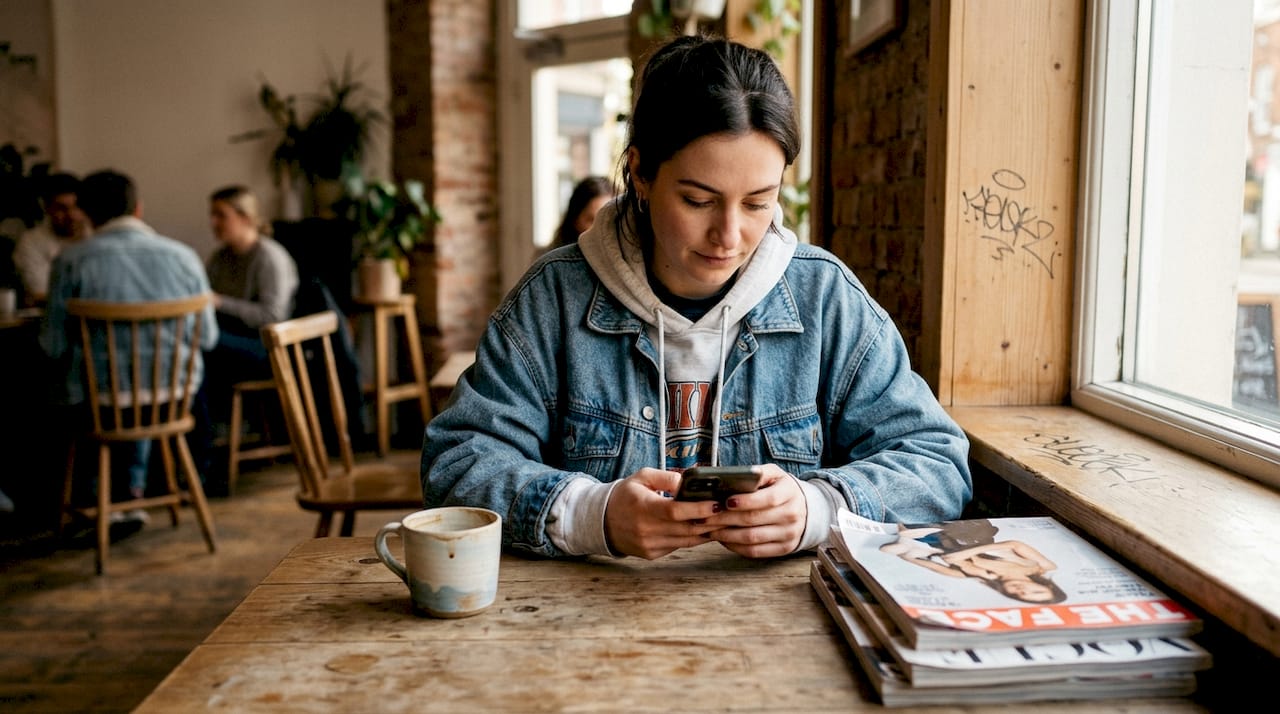
Color coordination makes or breaks layered outfits. Monochromatic palettes in blacks, grays, and whites create clean, sophisticated looks that let one statement piece shine. Contrasting approaches pair neutral bases with bold pops of color in your mid or outer layer, drawing the eye to specific design elements. Earth tones like olive, rust, and tan blend seamlessly for vintage-inspired combinations that feel cohesive without trying too hard.
Exploring ways to style retro hoodies pop culture lovers reveals how a single statement piece can anchor multiple layered looks. Pair a graphic hoodie with a neutral flannel and denim jacket for texture-rich depth, or let it stand alone over a fitted tee for cleaner lines.
Pro Tip: Mix monochromatic neutrals with one bold pop color to keep outfits balanced and eye-catching without overwhelming your silhouette.
Comparing layering methods: classic vs. funkier mixes for urban fashion
Different layering strategies serve different style goals. Understanding the trade-offs helps you choose the right approach for each outfit.
| Method | Approach | Pros | Cons | Best For |
|---|---|---|---|---|
| Classic monochrome | Single color family, subtle texture variation | Easy to execute, versatile, timeless | Can feel safe or boring | Beginners, professional settings, minimalist aesthetics |
| Funky mix-and-match | Contrasting colors, bold patterns, varied textures | Maximum personality, visual interest, cultural expression | Requires confidence, can overwhelm if unbalanced | Experienced dressers, creative environments, statement looks |
The classic monochromatic versus funky layering debate comes down to personal comfort and context. Monochrome layering works when you want your silhouette and fit to do the talking, letting quality fabrics and precise proportions create sophistication. Funkier mixes demand more attention but reward you with outfits that showcase your cultural knowledge and creative vision.
Achieving balance requires discipline regardless of method. Limit yourself to 2-3 layers maximum to avoid bulk and maintain mobility. Show distinct sleeve lengths so each layer registers visually rather than blending into shapeless mass. When mixing textures and colors, ensure at least one element provides continuity, whether that’s a shared color across pieces or consistent fabric weights.
Texture creates visual interest even in simple color palettes. Combining cotton tees with denim jackets and flannel shirts gives your outfit dimension that solid colors alone can’t achieve. Smooth fabrics like satin or nylon bombers contrast beautifully against rough denim or textured knits, adding tactile variety that photographs well and feels intentional.
Top fabric and color combinations by style approach:
- Classic: Black cotton tee, charcoal hoodie, black denim jacket
- Classic: White tee, gray flannel, navy bomber
- Funky: Graphic tee, rust flannel, olive bomber
- Funky: Patterned tee, denim shirt, colorblock windbreaker
- Hybrid: Neutral tee, graphic hoodie, solid outer layer
Staying current with 2025 trends graphic wear impact ensures your layering choices reflect contemporary streetwear evolution while maintaining timeless fundamentals.
Deciding your perfect layering style: situational tips and expert nuances
Tailoring your layering approach to your specific body type, environment, and style goals transforms generic advice into personalized strategy. Slim bodies should embrace oversized mid-layers like baggy hoodies or relaxed coach jackets to add visual weight and create balanced proportions. Average builds can experiment freely but benefit from mixing fitted and loose pieces rather than committing fully to one silhouette. Shorter frames need vertical emphasis through elongated cuts, avoiding excessive horizontal breaks that compress perceived height.
Optimizing layering for different situations requires tactical thinking:
- Start with your thinnest base layer for maximum flexibility in temperature transitions
- Choose mid-layers you can easily remove and carry without bulk
- Prioritize outer layers with functional details like zippered pockets or adjustable hoods
- Test your full outfit sitting, walking, and reaching to ensure mobility
- Plan color coordination so removing one layer doesn’t break your aesthetic
The heat layering paradox challenges conventional wisdom about warm climates. You can maintain layered style in hot weather using lightweight, draped pieces like linen shirts or mesh overlays that add visual interest without trapping heat. Layering for heat and climate often means choosing breathable fabrics and looser fits that allow air circulation while preserving the multi-dimensional look.
Sleeve rolling and cuff adjustment provide instant style upgrades. Roll flannel sleeves to three-quarter length to expose your base layer and create forearm definition. Push hoodie sleeves up slightly to show contrasting inner fabric or create a more relaxed, lived-in appearance. These small adjustments signal intentionality and attention to detail that separates thoughtful dressing from throwing on whatever’s clean.
Prioritizing your outermost layer’s style impact makes practical sense. Most people see your outer jacket or coat first, so invest in statement pieces with interesting graphics, unique cuts, or distinctive hardware. Your base and mid-layers can be simpler, providing functional warmth and subtle texture that only reveals itself when you remove outer pieces. This approach from expert layering tips and fit guidance maximizes visual impact per dollar spent.
Exploring creative ways to style hoodies reveals unconventional layering sequences like wearing hoodies over jackets or using them as outer layers in mild weather for unexpected silhouettes.
Pro Tip: Reverse traditional layering order by wearing a fitted jacket under an oversized hoodie to create edgy, attention-grabbing outfits that challenge conventional proportions.
Find your perfect streetwear layers at ChillStitch
Building a layered streetwear wardrobe becomes easier when you start with pieces designed for self-expression and quality construction. ChillStitch offers hoodies and sweatshirts that combine retro aesthetics, cultural references, and humorous graphics, perfect for creating the layered looks we’ve explored. Each piece uses ethically sourced fabrics that hold up through repeated wear and washing, maintaining the shape and color integrity essential for reliable layering.
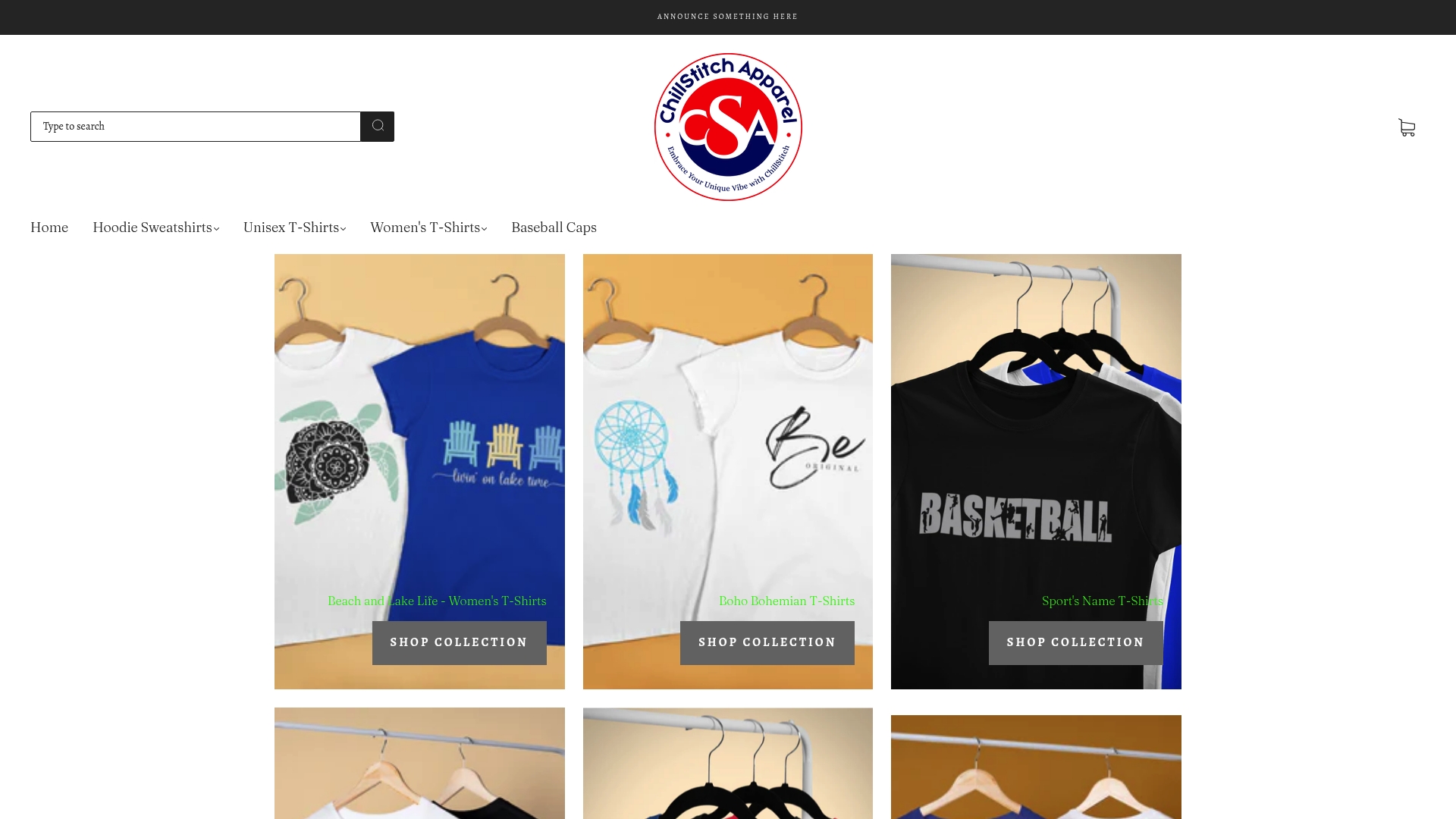
Our collection features designs that spark conversations and reflect your personality. The Tree of Life Blues hoodie brings vintage-inspired graphics that work beautifully as a statement mid-layer. The Trippy Hippie Sunglasses sweatshirt injects playful retro energy into any outfit. For sports-influenced layering, the Basketball Silhouette Sport hoodie delivers athletic nostalgia with modern fit.
Key features that support effective layering:
- Consistent GSM weights ideal for mid-layer positioning
- Graphics designed to show beautifully when partially covered
- Comfortable fits that layer smoothly without bunching
- Durable construction that maintains shape through seasonal rotations
Your hoodie becomes your statement when it carries designs that reflect who you are and what you value, turning everyday outfits into opportunities for authentic self-expression.
Frequently asked questions about streetwear layering
What are the essential layers in streetwear?
The essential streetwear layers include a fitted base layer like a graphic tee, a mid-layer such as a hoodie or flannel, and an outer layer like a bomber or denim jacket. This three-piece system provides warmth, texture variation, and style flexibility while maintaining clean proportions.
How can I mix humor into my layered outfits?
Incorporate humor through graphic tees or hoodies featuring witty slogans, pop culture references, or playful retro designs that reflect your personality. Position these pieces strategically so graphics remain visible even when partially covered by outer layers, creating conversation starters that reveal themselves gradually.
What fabrics work best for layering in warm urban climates?
Lightweight cotton (120-140 GSM), linen, and breathable synthetic blends work best for warm-weather layering. Choose looser fits and draped silhouettes that allow air circulation while maintaining the visual interest of multiple layers without trapping excessive heat.
How do body type and fit affect layering choices?
Slim builds benefit from oversized mid-layers that add dimension, while shorter frames need vertical emphasis through elongated cuts and minimal horizontal breaks. Average builds have the most flexibility but should still mix fitted and relaxed pieces intentionally rather than defaulting to all one silhouette.
Can layering show cultural identity in streetwear?
Absolutely. Layering becomes a canvas for cultural expression when you incorporate graphics, colors, and silhouettes from specific subcultures like hip-hop, skateboarding, or Harajuku fashion. Layering graphic sweatshirts vintage style lets you reference cultural touchpoints while creating personally meaningful combinations that tell your unique story.
How many layers should I wear at once?
Stick to 2-3 layers maximum for optimal balance between style impact and practical mobility. More layers create bulk that obscures your silhouette and restricts movement, while fewer layers limit your ability to create visual depth and texture variation.
Recommended
- How to layer graphic sweatshirts for vintage style – ChillStitchApparel
- Stylish tips for vintage hoodies: creative looks 2026 – ChillStitchApparel
- Mastering Fashion with Hoodie: Stylish Outfit Ideas for 2025 – ChillStitchApparel
- 7 Creative Ways to Style Hoodies for Maximum Impact – ChillStitchApparel
- Vintage Slub Cotton Crewneck T-shirt - Charming Food’s