

You’ve probably heard that streetwear quality is all about hype, limited drops, and brand names. But what if the real markers of quality have nothing to do with scarcity or price tags? True streetwear quality comes down to measurable factors like fabric weight, construction standards, and durability testing. This guide cuts through the noise to show you exactly what separates genuinely well-made pieces from overhyped garments. You’ll learn how to spot quality benchmarks, understand industry inspection methods, and make informed choices that align with your style and values.
Table of Contents
- Key takeaways
- Understanding quality beyond hype: fabric weight and durability fundamentals
- Industry quality control: 4-Point System and Acceptable Quality Limit (AQL) explained
- Debunking price myths: lab-tested durability versus cost in streetwear apparel
- Applying quality knowledge: choosing authentic, ethical graphic streetwear with vintage appeal
- Explore quality streetwear that blends vintage style and ethics
- FAQ
Key Takeaways
| Point | Details |
|---|---|
| Fabric weight GSM | GSM indicates density and durability, with tees around 260 GSM and hoodies 400 to 470 GSM, while extremely high weights can reduce comfort. |
| Weave and fiber quality | Weave tightness and fiber type can trump weight in delivering comfort and long term wear. |
| Ask about GSM specs | Brands that publish fabric measurements show transparency and commitment to quality standards. |
| Quality control standards | The 4 Point System assigns defect points by size and AQL 2.5 sets acceptable defect levels for finished lots. |
Understanding quality beyond hype: fabric weight and durability fundamentals
Fabric weight measured in GSM (grams per square meter) gives you the most tangible, objective quality indicator in streetwear. When you pick up a tee or hoodie, that substantial feel in your hands often comes down to GSM. Premium t-shirts typically start around 260 GSM, while quality hoodies range from 400 to 470 GSM. These numbers aren’t arbitrary; they represent the density and durability you can expect from your garment over months and years of wear.
But here’s where it gets interesting. Quality in streetwear is shifting from hype-driven scarcity to durability, comfort, and premium feel. Higher GSM doesn’t automatically mean better quality. Push fabric weight too high and you get stiffness that sacrifices comfort. Double-layer hoodies can achieve 800+ GSM effectively, but a single-layer garment at that weight might feel like wearing cardboard. The sweet spot balances density with wearability.
Fabric weave and fiber quality influence comfort and longevity just as much as weight alone. A 200 GSM tee made with premium long-staple cotton and tight weave can outlast a 280 GSM shirt using short-staple fibers and loose construction. This is why higher GSM isn’t always superior depending on weave and fiber choice. Even hype brands like Supreme show surprising variability in actual fabric GSM and quality across different releases.
Pro Tip: When shopping for quality streetwear tees, ask about GSM specifications. Brands confident in their quality will share these details. If a brand can’t or won’t provide fabric weight information, that’s a red flag about their commitment to transparency and quality standards.
Here’s what to look for in premium fabric specifications:
- T-shirts: 260-300 GSM for substantial feel without excessive weight
- Hoodies: 400-470 GSM single layer or 600-800+ GSM double layer
- Fiber type: Long-staple cotton, ring-spun construction, or quality cotton blends
- Weave density: Tight weave prevents pilling and maintains shape over time
Industry quality control: 4-Point System and Acceptable Quality Limit (AQL) explained
Behind every quality streetwear piece sits a rigorous inspection process most customers never see. The 4-Point System assigns penalty points to fabric defects based on size and severity. A small flaw under 3 inches gets 1 point, while defects over 9 inches receive 4 points. Inspectors examine fabric before cutting, catching issues that would compromise finished garments. This system creates an objective quality threshold that separates acceptable fabric from rejects.
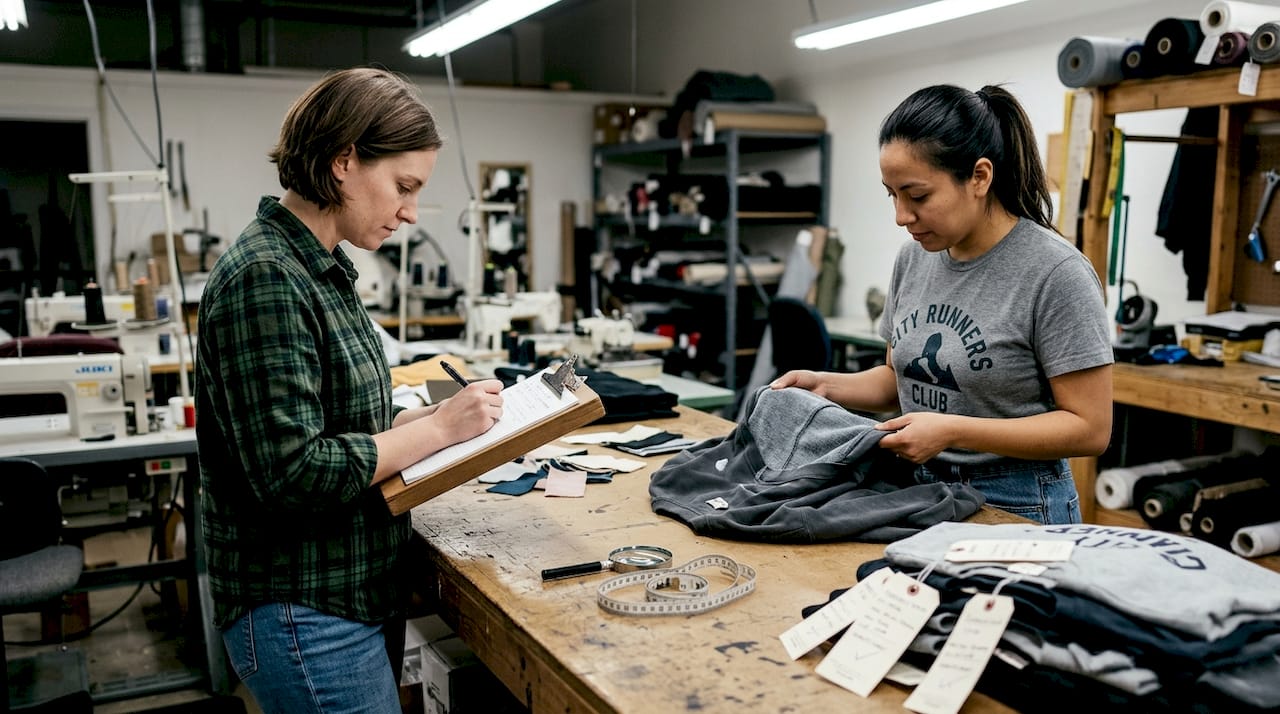
AQL (Acceptable Quality Limit) sampling takes quality control to the production floor. AQL 2.5, the industry standard for major defects, means that in a random sample of finished garments, no more than 2.5% can have serious flaws. This isn’t about perfection; it’s about statistical reliability. Manufacturers pull samples from production batches following ISO 2859-1 protocols, inspect them against defect criteria, and either approve or reject entire lots based on findings.
These methods help maintain consistency and trust in quality for streetwear brands committed to delivering reliable products. When a brand uses 4-Point System inspections and AQL sampling, they’re investing in catching problems before garments reach customers. You get fewer surprises like loose stitching, fabric holes, or misaligned prints. The brand builds reputation through verifiable quality standards rather than marketing hype.
Understanding these standards empowers you to demand verifiable quality. When brands talk about quality control, you can ask specific questions: What AQL level do you use? Do you conduct 4-Point fabric inspections? Who performs your quality audits? Brands with robust quality programs will answer confidently. Those relying on hype over substance will dodge or deflect.
Pro Tip: Look for brands that mention specific quality control methods in their ethical production practices. Transparency about inspection standards signals a commitment to quality that goes deeper than surface-level marketing claims.
Here’s how quality control protects your purchase:
- Pre-production fabric inspection catches material defects before cutting
- Inline quality control monitors production as garments are assembled
- Final AQL sampling verifies finished products meet defect thresholds
- Documentation creates accountability and traceability throughout production
Key quality control terms you should know:
- Critical defects: Flaws that make garments unwearable or unsafe (AQL 0 tolerance)
- Major defects: Issues affecting functionality or appearance (AQL 2.5 standard)
- Minor defects: Small imperfections that don’t impact use (AQL 4.0 acceptable)
Debunking price myths: lab-tested durability versus cost in streetwear apparel
Here’s a truth that might surprise you: lab tests show no correlation between price and durability. A £395 designer t-shirt ranked 28th out of 47 in durability testing, while a £4 budget garment placed 15th. These results came from rigorous strength and pilling tests, not subjective opinions. The expensive shirt didn’t just fail to lead; it performed worse than items costing 99% less.
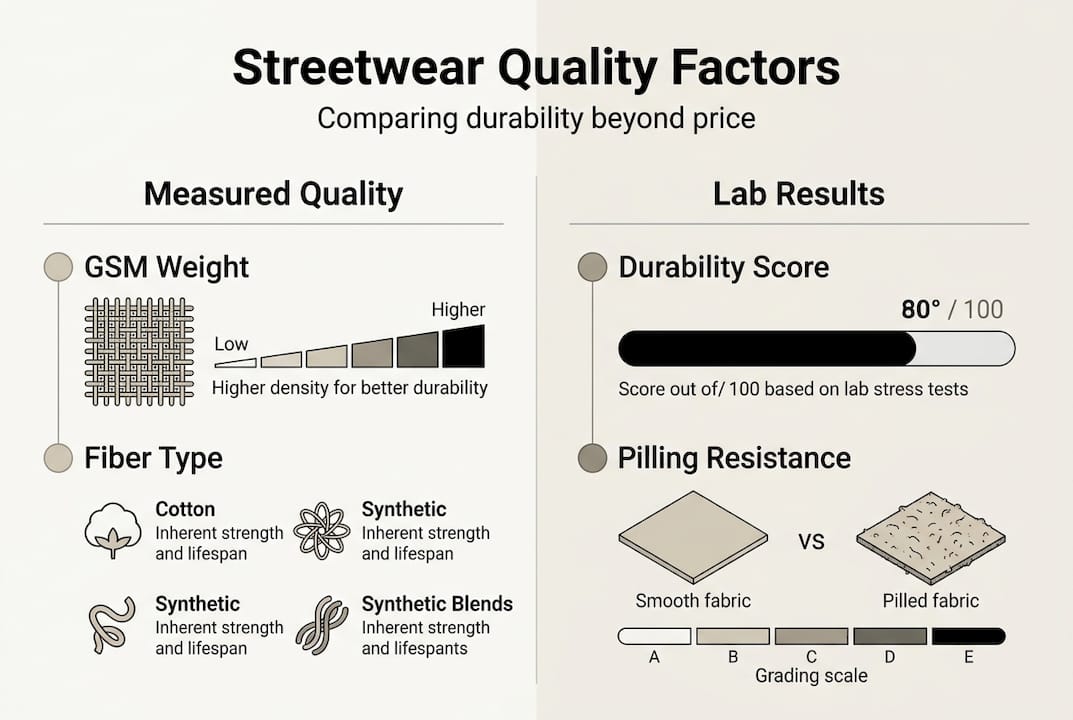
Within fabric types, heavier GSM typically improves durability, but material composition matters more than price tags. Some budget tees outperformed expensive ones because they used better cotton quality and tighter weaves despite lower brand prestige. Synthetic fibers sometimes outperform pure cotton in durability tests, resisting pilling and maintaining shape through repeated washing. A polyester-cotton blend at 240 GSM can outlast a 280 GSM pure cotton tee from a luxury brand.
The disconnect between cost and quality reveals how much you’re paying for brand positioning rather than material value. Hype brands command premium prices through artificial scarcity and cultural cachet, not superior construction. You’re buying into a narrative, a community, an identity marker. Nothing wrong with that if you go in with eyes open. But if you’re prioritizing durability and value, price becomes a poor quality predictor.
This creates opportunity for informed buyers. Understanding fabric specifications and testing standards lets you identify quality regardless of price point. A $30 hoodie with 450 GSM fabric, reinforced stitching, and transparent quality control can deliver better long-term value than a $300 piece trading on brand name alone. The key is knowing what to look for and asking the right questions.
“The absence of correlation between price and durability in lab testing fundamentally challenges consumer assumptions about luxury streetwear. Material science and construction quality matter infinitely more than brand prestige when predicting garment longevity.”
Pro Tip: When comparing graphic tees, focus on measurable quality factors like GSM, fiber type, and construction details rather than brand reputation or price alone. The best value comes from pieces that balance quality specifications with fair pricing.
| Price Range | Average GSM | Durability Score | Value Rating |
|---|---|---|---|
| Budget ($10-25) | 180-220 GSM | 6.5/10 | High (quality varies widely) |
| Mid-range ($30-60) | 220-280 GSM | 7.8/10 | Best (sweet spot for quality/price) |
| Premium ($75-150) | 260-320 GSM | 8.2/10 | Good (incremental quality gains) |
| Luxury ($200+) | 240-300 GSM | 7.1/10 | Poor (paying for brand, not durability) |
Applying quality knowledge: choosing authentic, ethical graphic streetwear with vintage appeal
Now that you understand quality benchmarks, let’s translate knowledge into action. Start by looking for brands that use detailed tech packs and golden samples in production. Tech packs specify every measurement, stitch type, and quality standard before manufacturing begins. Golden samples serve as physical references that factories must match throughout production. These tools ensure consistency from first garment to last, eliminating the quality lottery where some pieces are great and others disappointing.
Inline quality control during manufacturing reduces defects by catching problems as they happen rather than after production ends. Inspectors check garments at multiple production stages, verifying measurements, examining stitching, and confirming print quality. This real-time monitoring prevents small issues from becoming batch-wide failures. Brands investing in inline quality control demonstrate commitment to delivering reliable products, not just moving inventory.
Lab-tested durability confirms garment longevity beyond looks. Pilling resistance tests, colorfastness evaluations, and tensile strength measurements provide objective data about how pieces will perform over time. When brands share testing results or certifications, they’re backing quality claims with evidence. This transparency separates substance from marketing spin. Vintage style requires quality that holds up over time for authentic appeal. A graphic tee that fades after five washes or develops holes at seams doesn’t deliver the worn-in aesthetic you’re after.
Avoid hype and focus on craftsmanship and ethical production values. The most hyped drops often prioritize scarcity over quality, banking on FOMO to move product regardless of construction standards. Meanwhile, brands building reputations on craftsmanship invest in better materials, rigorous quality control, and transparent supply chains. They know their customers will return based on product performance, not artificial urgency.
Pro Tip: Prioritize tech packs, golden samples, inline quality control, and lab-tested durability over brand hype when selecting ethically made graphic apparel. These production quality indicators predict long-term satisfaction better than any marketing campaign.
Your quality checklist for authentic streetwear:
- Fabric weight: Minimum 260 GSM for tees, 400+ GSM for hoodies
- Quality control: Ask about 4-Point System and AQL standards
- Production transparency: Look for tech pack use and golden sample references
- Testing documentation: Seek brands sharing durability test results
- Ethical sourcing: Verify supply chain transparency and labor practices
- Construction details: Examine stitching, seam reinforcement, and print quality
When exploring minimalist streetwear with ethical values, remember that true quality serves both style and sustainability. Pieces that last years rather than months reduce waste and deliver better value. Quality and ethics align when brands commit to durable materials, fair production practices, and transparent operations. Your purchasing choices support this shift from disposable hype to lasting craftsmanship.
Explore quality streetwear that blends vintage style and ethics
Ready to put your quality knowledge into practice? ChillStitch creates graphic hoodies and sweatshirts that embody the standards we’ve discussed. Our pieces feature premium fabric weights, ethical production, and vintage-inspired designs that spark conversation. Every garment reflects our commitment to quality you can feel and durability that lasts.
Our Explore Dream Discover sweatshirt combines wanderlust graphics with substantial fabric weight perfect for everyday wear. The Tree of Life watercolor design brings artistic flair to premium construction. For sports-inspired vintage vibes, check out our Cheer Team silhouette sweatshirt that captures throwback energy with modern quality standards. Each piece proves that ethical production and lasting quality create better streetwear than hype ever could.
FAQ
What defines quality in streetwear beyond hype?
Quality is defined by measurable factors like fabric weight (GSM), durability testing results, and production consistency rather than brand hype or artificial scarcity. Look for GSM benchmarks (260+ for tees, 400-470 for hoodies), inspection standards like the 4-Point System and AQL 2.5, and ethical manufacturing signals such as transparent supply chains. These tangible quality indicators predict long-term satisfaction better than any brand name or limited drop status.
How does fabric GSM affect streetwear comfort and durability?
Higher GSM generally means thicker, more durable fabric, but excessive weight can reduce softness and create stiffness that compromises comfort. The sweet spot balances density with wearability: 260-300 GSM for substantial tees and 400-470 GSM for comfortable hoodies. Fiber type and weave quality matter as much as weight alone. Premium long-staple cotton with tight weave at 240 GSM can outlast loose-weave short-staple cotton at 280 GSM, proving that GSM works best as one quality indicator among several.
Can expensive streetwear brands guarantee better quality?
Price doesn’t reliably indicate durability or quality in streetwear apparel. Lab tests found a £395 designer t-shirt ranked 28th out of 47 in durability while a £4 budget garment placed 15th, demonstrating zero correlation between cost and longevity. You’re often paying for brand positioning, artificial scarcity, and cultural cachet rather than superior materials or construction. Focus on fabric specifications, quality control standards, and testing documentation instead of price tags when evaluating streetwear quality.
How can I identify ethically made graphic streetwear?
Look for transparent supply chain information, tech pack use in production, and documented quality control processes that verify ethical manufacturing practices. Choose brands highlighting lab-tested durability, sustainable material sourcing, and fair labor standards rather than those relying solely on hype marketing. Check for specific quality indicators like 4-Point System inspections, AQL sampling standards, and inline quality control during production. Brands committed to ethical production will openly share these details, while those prioritizing hype over substance typically avoid specifics. Learn more about creating ethical graphic apparel to understand what transparency really looks like.