

Most American pop culture fans know that authentic style speaks louder than any official logo. In a digital world where over 60 percent of indie creatives crave merch with personal meaning, fan-made apparel rewrites the rules. This article pulls back the curtain on how passionate communities craft unique, humorous threads that celebrate nostalgia and identity, turning everyday wear into collaborative art and genuine cultural statements.
Table of Contents
- Defining Fan-Made Merch In Pop Culture
- Creative Styles And Popular Product Types
- How Fan-Made Merch Is Produced And Shared
- Legal Issues: Copyright, Fair Use, And Risks
- Making, Buying, And Selling Responsibly
Key Takeaways
| Point | Details |
|---|---|
| Authenticity is Essential | Fan-made merchandise thrives on genuine community passion, offering uniquely personal expressions tied to beloved cultural references. |
| Diverse Product Range | Popular fan-made items include graphic t-shirts, enamel pins, and art prints, each representing unique storytelling opportunities. |
| Navigating Legal Complexities | Creators must understand copyright and fair use laws to avoid legal issues while delivering transformative fan art. |
| Ethical Engagement Matters | Supporting independent artists and ethical sourcing ensures responsible consumption and fosters a meaningful cultural exchange. |
Defining Fan-Made Merch in Pop Culture
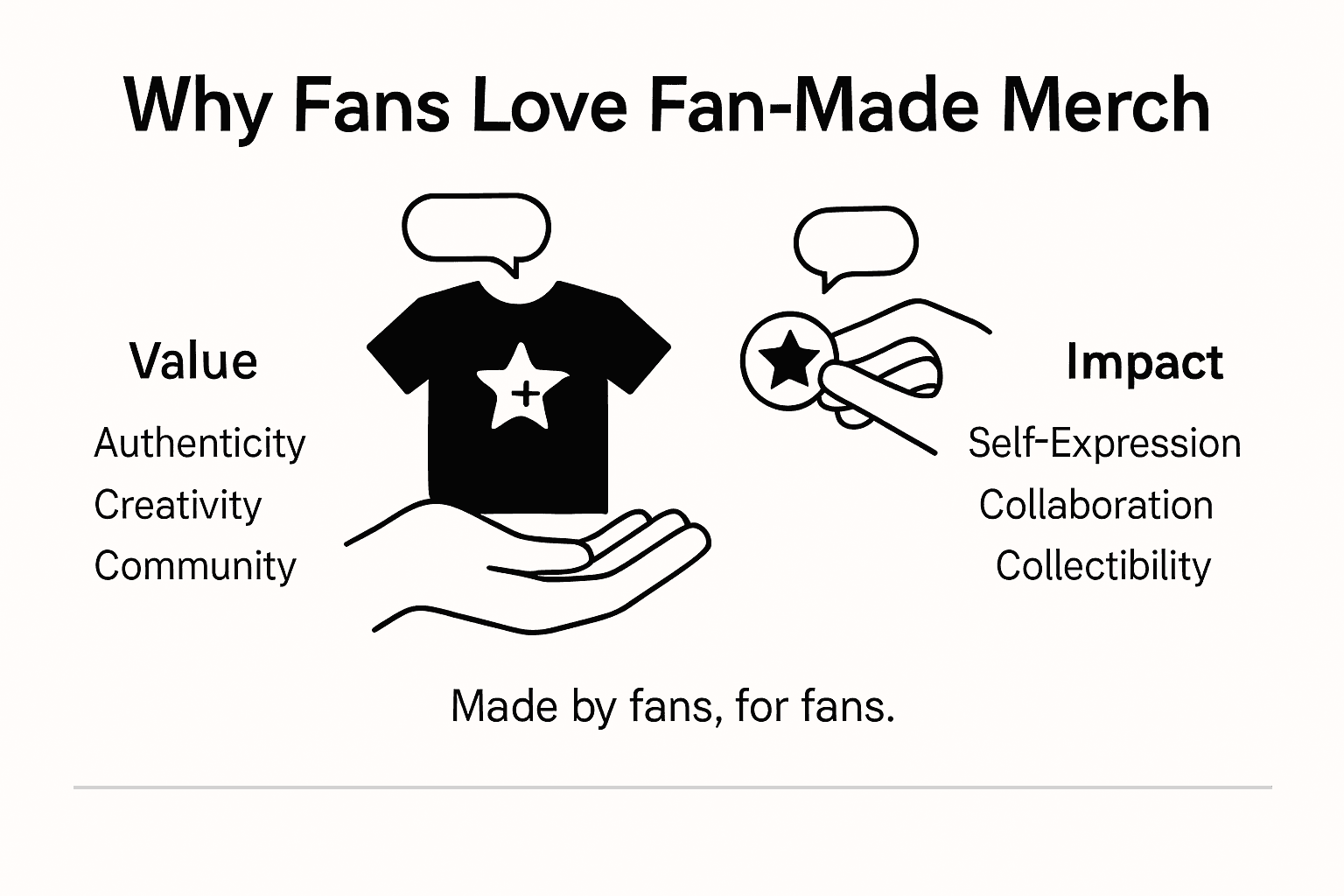
Fan-made merchandise represents a powerful cultural phenomenon where passionate enthusiasts transform their favorite pop culture references into personalized creative expressions. Unlike traditional branded products, fan-made merch emerges from genuine community passion, turning beloved characters, moments, and narratives into wearable art that speaks directly to shared experiences.
This unique form of merchandise goes far beyond simple commercial transactions. Fan creators and consumers co-construct meaning, using merchandise as dynamic platforms for identity-building and creative self-expression. Whether it’s a t-shirt celebrating an obscure movie quote, a hoodie featuring a reimagined video game character, or a sticker pack paying homage to a cult classic TV show, fan-made merch transforms passive consumption into active participation.
The core appeal of fan-made merchandise lies in its authenticity and community connection. These aren’t mass-produced items manufactured by corporate marketing teams, but passionate creations crafted by fans who intimately understand the nuanced references, inside jokes, and emotional resonance of their chosen cultural touchstones. Authenticity becomes the primary currency, with each design representing a deeply personal interpretation of shared cultural moments.
Pro Tip - Community Creativity: Always support independent artists and designers who pour their creativity into fan-made merchandise, understanding that each piece represents not just a product, but a genuine love letter to the cultural universes that inspire them.
By choosing fan-made merch, fans aren’t just buying clothing or accessories - they’re participating in a vibrant, collaborative storytelling process that celebrates creativity, shared passion, and individual expression.
Creative Styles and Popular Product Types
Fan-made merchandise represents a vibrant landscape of creative expression, encompassing an incredible range of product types that extend far beyond traditional commercial offerings. From custom-designed apparel to handcrafted accessories, these items reflect a passionate commitment to personalized storytelling through design.
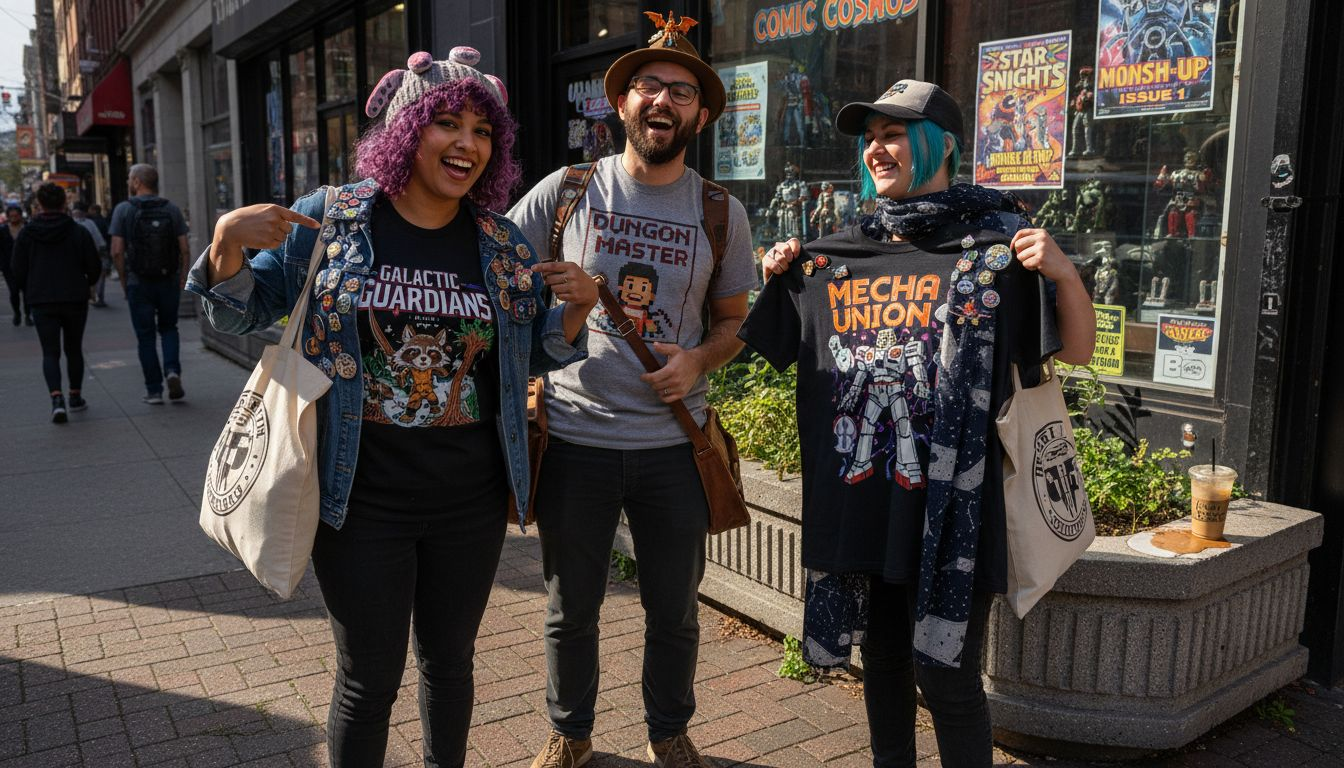
Within the fan merchandise ecosystem, certain product categories have emerged as particularly popular. Graphic t-shirts remain the cornerstone, allowing fans to showcase their allegiance through intricate designs that capture specific moments, characters, or inside jokes from their favorite media universes. Beyond apparel, fans are increasingly exploring diverse mediums like enamel pins, stickers, phone cases, and even limited-edition art prints that transform pop culture references into wearable or displayable art.
Fan fashion cultures demonstrate remarkable stylistic diversity, with merchandise often reflecting nuanced subculture aesthetics. Some designers emphasize minimalist interpretations of iconic moments, while others prefer maximalist, densely detailed graphics that reward close examination. The variety ranges from vintage-inspired designs that evoke nostalgic feelings to hyper-modern, digitally-manipulated graphics that push creative boundaries.
Pro Tip - Design Discovery: Always explore independent artist platforms and fan communities to discover truly unique merchandise that goes beyond mainstream commercial offerings.
Ultimately, vintage graphics can transform a simple clothing item into a powerful medium of personal expression, connecting fans through shared cultural experiences and creative storytelling.
Here’s a comparison of popular fan-made merchandise types and their unique advantages:
| Product Type | Creative Potential | Collectibility Value | Community Impact |
|---|---|---|---|
| Graphic T-Shirts | Highly customizable art | Varies by rarity/design | Sparks group identity |
| Enamel Pins | Supports miniature detail | Appeals to collectors | Promotes fandom connection |
| Stickers | Accessible creativity | Low-cost collectibility | Encourages widespread sharing |
| Phone Cases | Personal expression | Moderate, style-driven | Fosters niche subcultures |
| Art Prints | Detailed visual stories | High for limited editions | Supports independent artists |
How Fan-Made Merch Is Produced and Shared
The production and distribution of fan-made merchandise have been dramatically transformed by digital technologies and online communities, creating intricate collaborative pathways for creative expression. Modern fan creators leverage a complex ecosystem of digital platforms, crowdfunding resources, and specialized maker tools to bring their unique designs from concept to reality.
Online marketplaces have become critical infrastructure for fan merchandise production. Platforms like Redbubble, Society6, and Etsy allow independent artists to upload designs that can be printed on-demand across multiple product types, eliminating traditional manufacturing barriers. This democratization means fans can transform their creative concepts into tangible products with minimal upfront investment, using print-on-demand services that handle production, shipping, and payment processing.
Fan production networks demonstrate remarkable adaptability, particularly in how they negotiate spaces between noncommercial sharing and micro-entrepreneurship. Conventions, online forums, and social media platforms serve as critical nodes where designs are shared, critiqued, refined, and ultimately distributed. These networks aren’t just distribution channels—they’re collaborative spaces where fans collectively determine aesthetic trends, validate designs, and build supportive creative communities.
Pro Tip - Design Community: Engage actively with online fan art communities, participate in design challenges, and seek constructive feedback to refine your merchandise concepts before production.
The evolution of graphic tees continues to showcase how fan-made merchandise transforms personal passion into wearable art, bridging individual creativity with collective cultural expression.
Legal Issues: Copyright, Fair Use, and Risks
The world of fan-made merchandise exists in a complex legal landscape where creativity intersects with intellectual property rights, requiring careful navigation of copyright and trademark regulations. Creators must understand the nuanced boundaries between transformative art and potential legal infringement, recognizing that not all fan-created content receives blanket protection under fair use doctrines.
Fair use represents a critical legal concept that allows limited use of copyrighted material without explicit permission. However, this protection isn’t absolute. Factors like commercial intent, transformation of original work, market impact, and the amount of original content used dramatically influence whether a fan-made design might be considered legal. Some creators successfully argue that their merchandise represents a transformative work—adding new meaning, commentary, or artistic expression to the original intellectual property.
Copyright clearance requires systematic assessment of potential legal risks, involving careful evaluation of design originality, commercial scale, and potential market disruption. Major media franchises and entertainment companies often have varying levels of tolerance for fan-created merchandise. Some actively encourage fan creativity, while others aggressively protect their intellectual property through cease-and-desist letters or legal action.
Pro Tip - Legal Protection: Always document your creative process, maintain clear records of your design inspirations, and consider consulting an intellectual property lawyer if you plan to commercially distribute fan-inspired merchandise.
The role of graphic tees continues to demonstrate how creative expression can navigate complex legal territories while celebrating shared cultural experiences.
Making, Buying, and Selling Responsibly
Fan consumption practices reveal complex ethical considerations that extend far beyond simple financial transactions. Responsible engagement in fan merchandise requires thoughtful evaluation of the broader cultural and economic implications of our creative and purchasing choices, recognizing that each interaction represents a small but meaningful contribution to a larger ecosystem of fan creativity.
Ethical sourcing emerges as a critical consideration for both creators and consumers. This means investigating the production conditions of merchandise, prioritizing vendors who demonstrate fair labor practices, sustainable manufacturing processes, and transparent supply chains. Independent artists and small-scale creators often provide more ethical alternatives to mass-produced merchandise, offering direct support to individual designers while ensuring more transparent and accountable production methods.
The material and cultural responsibilities of fan merchandise communities extend beyond immediate economic exchanges. Fans are increasingly recognizing their power to shape market dynamics through intentional consumption, supporting creators who demonstrate cultural sensitivity, originality, and genuine respect for source materials. This means valuing designs that add meaningful commentary, celebrate diversity, and contribute positively to fan culture rather than simply reproducing existing imagery.
Pro Tip - Conscious Creation: Research the backgrounds of artists and designers, prioritize those who demonstrate ethical practices, and view your merchandise purchases as investments in creative communities.
The role of graphic tees continues to demonstrate how responsible consumption can transform fan engagement from passive appreciation to active, meaningful cultural participation.
The table below summarizes key legal and ethical factors for responsible fan merch creation:
| Factor | Why It Matters | Best Practice | Typical Pitfall |
|---|---|---|---|
| Copyright Law | Protects original creators | Transform work and document process | Direct replication of IP |
| Fair Use Assessment | Allows limited creative use | Add new meaning, avoid commercial risk | Overestimating fair use protections |
| Ethical Sourcing | Ensures fair labor standards | Verify suppliers and support artisans | Supporting unethical manufacturers |
| Cultural Sensitivity | Honors represented fandoms | Diversify references; respect origins | Ignoring impact on cultural groups |
Celebrate Your Fandom with Authentic Style and Heart
Fan-made merch thrives on authenticity, personal expression, and community connection. The article highlights the challenges creators face navigating legal risks and ethical sourcing while striving to craft unique designs that truly resonate with fellow fans. Whether you want to wear your favorite cult-film moment or share a witty, nostalgic nod through clothing, finding apparel that speaks your language and respects the cultural roots of the fandom is essential.
At ChillStitch.com, we understand that clothing is far more than fabric. It is a canvas for identity and connection. Our vintage-inspired tees, hoodies, and sweatshirts combine humor, nostalgia, and playful creativity printed on ethically sourced fabrics. We create clothes that spark conversations, allowing you to express your fandom proudly and responsibly while supporting quality craftsmanship. Choose designs that speak directly to your cultural passions and help you say it loud and wear it proud.
Discover your new favorite fan-made style with ChillStitch today. Explore our collection and join a community that values originality, ethical sourcing, and meaningful storytelling. Visit ChillStitch.com now to find your statement piece and take part in fan culture the right way.
Frequently Asked Questions
What is fan-made merchandise?
Fan-made merchandise refers to unique products created by fans that express their passion for specific pop culture references. These items, such as clothing, accessories, and art, are crafted by individuals rather than corporations, allowing for personalized and creative expressions of fandom.
Why does fan-made merch resonate with fans?
Fan-made merch resonates with fans due to its authenticity and community connection. Each product reflects the creator’s personal interpretation of cultural moments, offering fans a way to actively participate in the storytelling process of their favorite media.
What are the most popular types of fan-made merchandise?
The most popular types of fan-made merchandise include graphic t-shirts, enamel pins, stickers, phone cases, and art prints. Each product type allows for different creative expressions and levels of collectibility, catering to various fan preferences.
How do creators ensure their fan-made merch is legally compliant?
Creators must navigate copyright laws and fair use doctrines when producing fan-made merch. Understanding the balance between transformative artistry and potential infringement is vital. It’s advisable for creators to document their creative process and consider consulting with legal professionals if they plan to commercially distribute their designs.