

Most people underestimate just how much an American graphic tee can say about someone. Graphic apparel is more than just clothes with cool prints. It is wearable art that lets pop culture fans show off personality and spark conversations everywhere. Over 60 percent of young shoppers use graphic apparel to express identity and stand out in a crowd. This guide clears up popular myths and dives into how the right designs mix humor, nostalgia, and style for maximum impact.
Table of Contents
- Defining Graphic Apparel and Common Myths
- Key Types and Styles of Graphic Apparel
- How Graphic Apparel Is Created Today
- Cultural Impact and Role in Self-Expression
- Choosing Ethically Made Graphic Apparel
Key Takeaways
| Point | Details |
|---|---|
| Graphic Apparel as Communication | Graphic apparel transcends fashion, acting as a dynamic medium for personal and cultural expression. |
| Diverse Styles and Functions | There are various styles of graphic apparel, including t-shirts and hoodies, each serving unique purposes in self-expression. |
| Ethical Considerations | Consumers should prioritize brands with ethical sourcing practices, focusing on fair labor and environmental sustainability. |
| Importance of Design Quality | Effective graphic apparel design requires skill, with thoughtful consideration of elements like color and typography to convey deeper messages. |
Defining Graphic Apparel and Common Myths
Graphic apparel represents far more than just printed clothing. It’s a dynamic form of visual communication that transforms fabric into a storytelling canvas, allowing individuals to express personality, cultural references, and personal narratives through wearable art. Graphic design in apparel has evolved dramatically from traditional textile printing methods to sophisticated digital graphics that capture complex emotions and ideas.
Contrary to popular misconceptions, graphic apparel isn’t merely about slapping a random image onto a shirt. It’s a nuanced art form involving careful design considerations such as color theory, typography, visual hierarchy, and emotional resonance. Many people mistakenly believe graphic tees are just for teenagers or casual wear, but they actually span diverse demographics and professional contexts, serving as powerful communication tools.
The core myths surrounding graphic apparel often stem from limited understanding of its artistic and cultural significance. Some believe these designs are simple or lack sophistication, but professional graphic designers invest significant skill and creativity into crafting compelling visual narratives. From minimalist geometric patterns to intricate pop culture references, graphic apparel represents a sophisticated intersection of fashion, personal expression, and visual storytelling.
Here’s a summary of common myths versus the realities of graphic apparel:
| Myth | Reality |
|---|---|
| Graphic tees are only for teens | Worn by all ages and professions |
| Any image makes good graphic apparel | Effective design requires skill and consideration |
| Designs lack sophistication | Many graphics convey complex messages |
| Only about looks | Also reflects identity and values |
Pro tip: When selecting graphic apparel, look beyond the initial visual appeal and consider the design’s emotional narrative and how it connects with your personal identity.
Key Types and Styles of Graphic Apparel
Graphic apparel encompasses a diverse range of clothing styles that transform fabric into a personalized art form. Trending styles span multiple categories including classic t-shirts, hoodies, tank tops, sweatshirts, and even accessories like caps and tote bags. Each style offers unique opportunities for self-expression, with designers carefully considering graphic placement, size, and visual impact to create compelling wearable narratives.
T-shirts remain the most popular canvas for graphic design, offering versatility across casual and semi-professional settings. Graphic tees can range from minimalist typographic designs to complex illustrative artwork, featuring everything from pop culture references and band logos to abstract geometric patterns and social commentary. Hoodies and sweatshirts provide additional surface area and texture, allowing for more intricate and immersive graphic storytelling that can wrap around the garment and create multi-dimensional visual experiences.
Beyond traditional clothing items, graphic apparel has expanded to include more specialized pieces like performance wear, bomber jackets, and even professional attire that incorporates subtle yet meaningful graphic elements. The key is understanding how different fabric types, cuts, and design placements can dramatically alter the visual communication of a graphic. Professional designers meticulously consider factors like fabric texture, color interaction, and garment silhouette to ensure the graphic enhances rather than overwhelms the wearer’s overall aesthetic.
Compare styles of graphic apparel by versatility and typical usage:
| Style | Versatility | Common Purpose |
|---|---|---|
| T-shirts | High | Casual, semi-professional |
| Hoodies | Moderate | Casual, statement pieces |
| Tank Tops | Moderate | Sporty, relaxed outings |
| Sweatshirts | Moderate | Cooler climates, layering |
| Accessories (caps, totes) | High | Everyday, branding, gifts |
Pro tip: When selecting graphic apparel, consider how the design’s scale and placement complement your body type and personal style, transforming the piece from mere clothing to a personal statement.
How Graphic Apparel Is Created Today
Graphic apparel design has transformed dramatically with advanced digital technologies and innovative creative processes. Graphic design in textile production now involves sophisticated software, high-resolution printing techniques, and collaborative workflows that merge artistic vision with technical precision. Modern designers utilize digital platforms that allow intricate color manipulation, precise scaling, and complex vector graphics that can be seamlessly translated onto various fabric surfaces.
The contemporary graphic apparel creation process begins with conceptualization and digital sketching, where designers explore themes, cultural references, and visual narratives. Professional graphic artists now employ advanced tools like Adobe Illustrator, Photoshop, and specialized textile design software that enable them to experiment with detailed graphics, understand fabric interactions, and simulate how designs will look on different garment types. This digital-first approach allows for rapid prototyping, instant color adjustments, and precise graphic placement strategies that were impossible in traditional design methods.
Manufacturing technologies have equally evolved, with screen printing, direct-to-garment printing, and sublimation techniques offering unprecedented quality and complexity. Designers now consider factors like fabric composition, stretch, texture, and color absorption when creating graphics. The integration of sustainable practices has also become crucial, with many brands focusing on eco-friendly inks, ethical production methods, and design techniques that minimize environmental impact while maintaining high-quality visual storytelling.
Pro tip: Experiment with digital mockup tools to visualize how your graphic design will actually look on different garment styles before final production.
Cultural Impact and Role in Self-Expression
Graphic apparel has emerged as a powerful medium for personal storytelling, transcending mere clothing to become a dynamic platform for cultural communication. Individuals use fashion as identity to articulate complex personal narratives, social beliefs, and emotional landscapes that words alone cannot capture. Each graphic design becomes a visual language, allowing wearers to communicate their unique perspectives, cultural affiliations, and inner worlds without uttering a single word.

Beyond individual expression, graphic apparel serves as a profound cultural artifact that reflects and challenges societal dynamics. Artists and designers leverage these wearable canvases to spark conversations about social issues, celebrate cultural heritage, and create connections across diverse communities. From political statements and musical tributes to nostalgic pop culture references, graphic apparel enables individuals to participate in broader cultural dialogues, transforming personal style into a form of social commentary and collective expression.
The complexity of graphic apparel as a communication tool extends beyond simple visual aesthetics. It represents a nuanced intersection of personal identity, cultural background, and global influences. Wearers strategically select graphics that not only represent their individual personalities but also signal belonging to specific subcultures, creative movements, or social communities. This dynamic form of self-presentation allows for continuous negotiation of identity, enabling people to curate and reimagine their public personas through carefully chosen visual narratives.
Pro tip: Choose graphic apparel that genuinely resonates with your personal story and values, transforming clothing from a passive accessory into an active form of self-expression.
Choosing Ethically Made Graphic Apparel
Ethical graphic apparel demands more than aesthetic appeal. Best practices for ethical sourcing highlight the importance of understanding the complete production process, from raw material selection to final manufacturing. Consumers increasingly recognize that their clothing choices impact worker welfare, environmental sustainability, and global economic dynamics. This conscious approach transforms graphic apparel from a simple fashion statement into a powerful tool for social responsibility.
Discerning buyers should evaluate graphic apparel brands through multiple ethical lenses. Key considerations include fair labor practices, sustainable material sourcing, transparent supply chains, and environmentally responsible manufacturing processes. Workers’ rights, living wages, safe working conditions, and minimal environmental footprint become critical factors. Premium graphic apparel brands distinguish themselves by demonstrating commitment to these principles, offering consumers the opportunity to align their fashion choices with their personal values and broader social ethics.
The landscape of ethical graphic apparel continues to evolve, with technological innovations and increased consumer awareness driving meaningful change. Brands now leverage advanced tracking technologies, blockchain verification, and comprehensive sustainability reporting to provide unprecedented transparency. These developments enable consumers to make informed decisions, understanding the exact social and environmental impact of their graphic apparel purchases. By prioritizing ethical production, individuals can support a more equitable and sustainable fashion ecosystem that values human dignity and environmental stewardship.
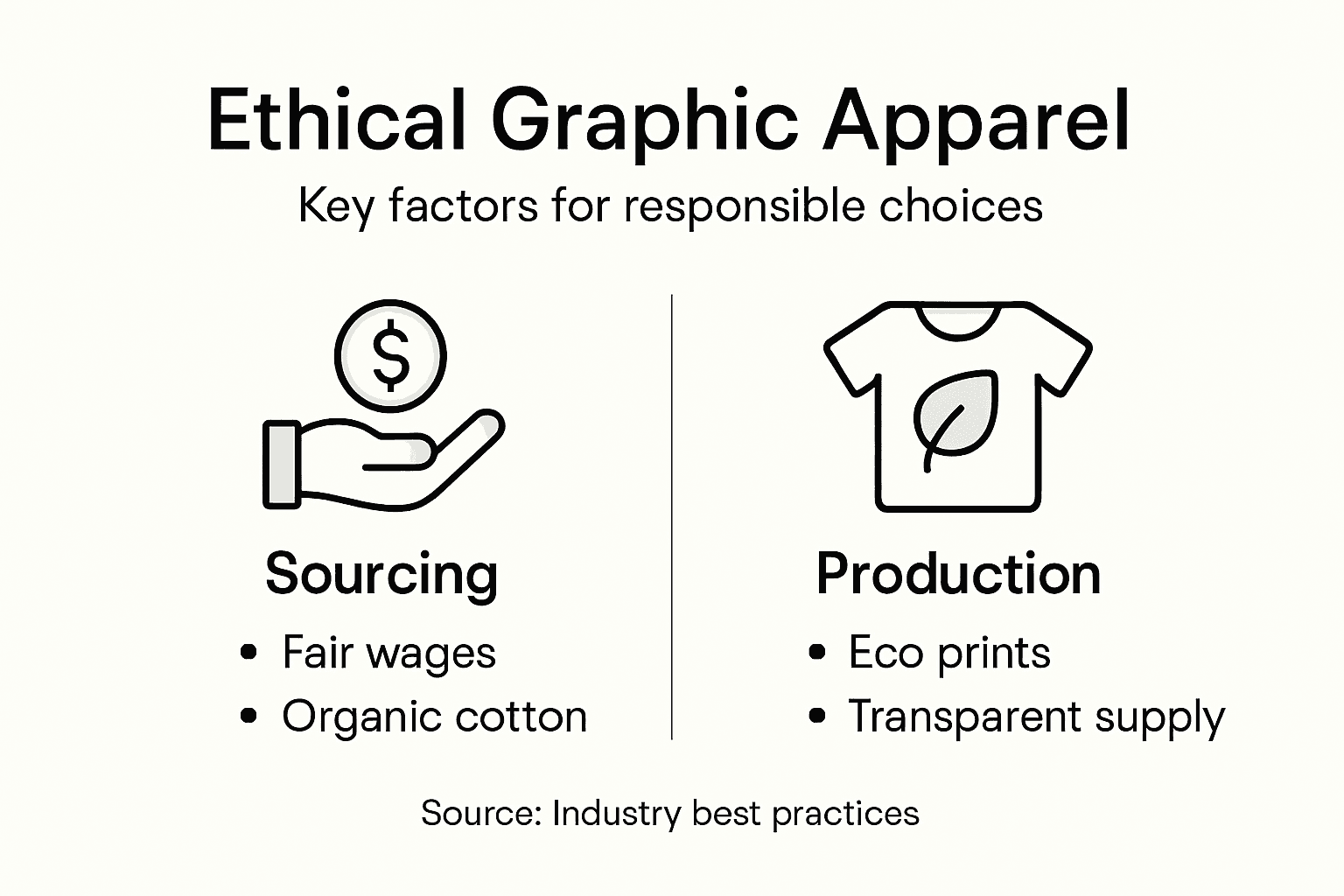
Pro tip: Research brands’ sustainability certifications and look for detailed supply chain transparency before purchasing graphic apparel to ensure your fashion choices support ethical manufacturing practices.
Discover Graphic Apparel That Speaks Your Truth
The article highlights the power of graphic apparel as a canvas for personal expression and cultural storytelling. Your challenge is to find clothing that goes beyond style to connect deeply with your identity and values. You want pieces that capture humor, nostalgia, and meaningful narratives while being made with care and ethical standards. These goals align perfectly with the essence of ChillStitch.com, where every tee, hoodie, and sweatshirt is designed to “speak back” and ignite conversation.
Imagine wearing graphics inspired by classic movies and witty pop culture moments that not only showcase your personality but also express your social values in a bold yet comfortable way. At ChillStitch, we bring you high-quality fabrics printed with integrity, combining vintage charm and modern storytelling for clothes that truly represent who you are.
Explore the collection at https://chillstitch.com today and find your perfect statement piece. Whether you seek a retro baseball tee or a cheeky slogan hoodie, our designs help you say it loud and wear it proud.
Get ready to transform your wardrobe into a vibrant conversation starter.
Start expressing your identity with clothes that talk back. Visit ChillStitch.com now and experience graphic apparel that connects with your story and values.
Frequently Asked Questions
What is graphic apparel?
Graphic apparel refers to clothing that features printed designs, illustrations, or text, transforming fabric into a medium for visual storytelling and personal expression.
How is graphic apparel designed?
Graphic apparel is designed using advanced digital technologies and software, allowing designers to create intricate graphics, manipulate colors, and consider various factors like fabric type and graphic placement.
Can graphic apparel be worn in professional settings?
Yes, graphic apparel can be worn in professional settings depending on the design. Subtle graphics and high-quality finishes can make graphic tees, hoodies, and sweatshirts suitable for semi-professional environments.
What are the key factors in choosing graphic apparel?
When choosing graphic apparel, consider factors such as design emotional narrative, graphic placement and scale, fabric type, and the ethical values of the brand to ensure alignment with your personal identity and beliefs.
Recommended
- History of Graphic Tees: Pop Culture’s Wearable Story – ChillStitchApparel
- Understanding Why Graphic Tees Matter in Fashion – ChillStitchApparel
- Role of Graphic Tees: Everything You Need to Know – ChillStitchApparel
- What Is Graphic Tee Culture? Complete Breakdown – ChillStitchApparel
- What is Ethical Fashion? Understanding Sustainable Style – San Rocco Italia