

Spotting a graphic tee that instantly sparks a laugh or captures a slice of your identity is more than luck, it’s the power of artistic clothing at work. Many still see clothing as nothing more than functional basics, but research shows it’s actually a dynamic language for expressing culture, humor, and personal stories. Expect a fresh look at how creative apparel challenges old ideas, bringing together humor, ethics, and bold self-expression in every fiber.
Table of Contents
- Defining Artistic Clothing and Common Misconceptions
- Types of Artistic Apparel and Design Approaches
- Key Elements: Humor, Nostalgia, and Cultural Play
- Artistic Clothing as Personal and Social Identity
- Pitfalls to Avoid: Imitation, Quality, and Ethics
Key Takeaways
| Point | Details |
|---|---|
| Clothing as Artistic Expression | Clothing represents cultural identity and personal narratives, transcending utility to become a form of artistic communication. |
| Innovative Design Approaches | Artistic apparel design utilizes diverse methodologies to challenge conventional aesthetics and tell complex stories through garments. |
| Ethical Responsibility | Designers must navigate issues like plagiarism and cultural appropriation, prioritizing originality and ethical production practices. |
| Personal Narrative Through Fashion | Each garment can be seen as a narrative object, allowing wearers to express their identity and perspectives without words. |
Defining Artistic Clothing and Common Misconceptions
Clothing transcends mere fabric and function, representing a profound medium of artistic expression that communicates identity, culture, and personal narrative. While many perceive clothing simply as a utilitarian necessity, academic research reveals a far more nuanced perspective. Cultural artifacts of personal identity demonstrate how garments function as complex visual languages that speak volumes about individual and collective experiences.
Artistic clothing challenges traditional misconceptions by reframing fashion as a dynamic form of creative communication. Unlike mass-produced commercial apparel, artistic clothing involves:
- Intentional design with cultural symbolism
- Personal storytelling through visual elements
- Craftsmanship that reflects heritage and individual perspective
- Emotional and social communication beyond basic coverage
Traditional clothes are not just protective layers but powerful cultural canvases that embody historical narratives and craftsmanship. Diverse human experiences through clothing reveal how garments communicate complex social meanings, transforming them from simple objects into profound artistic statements.
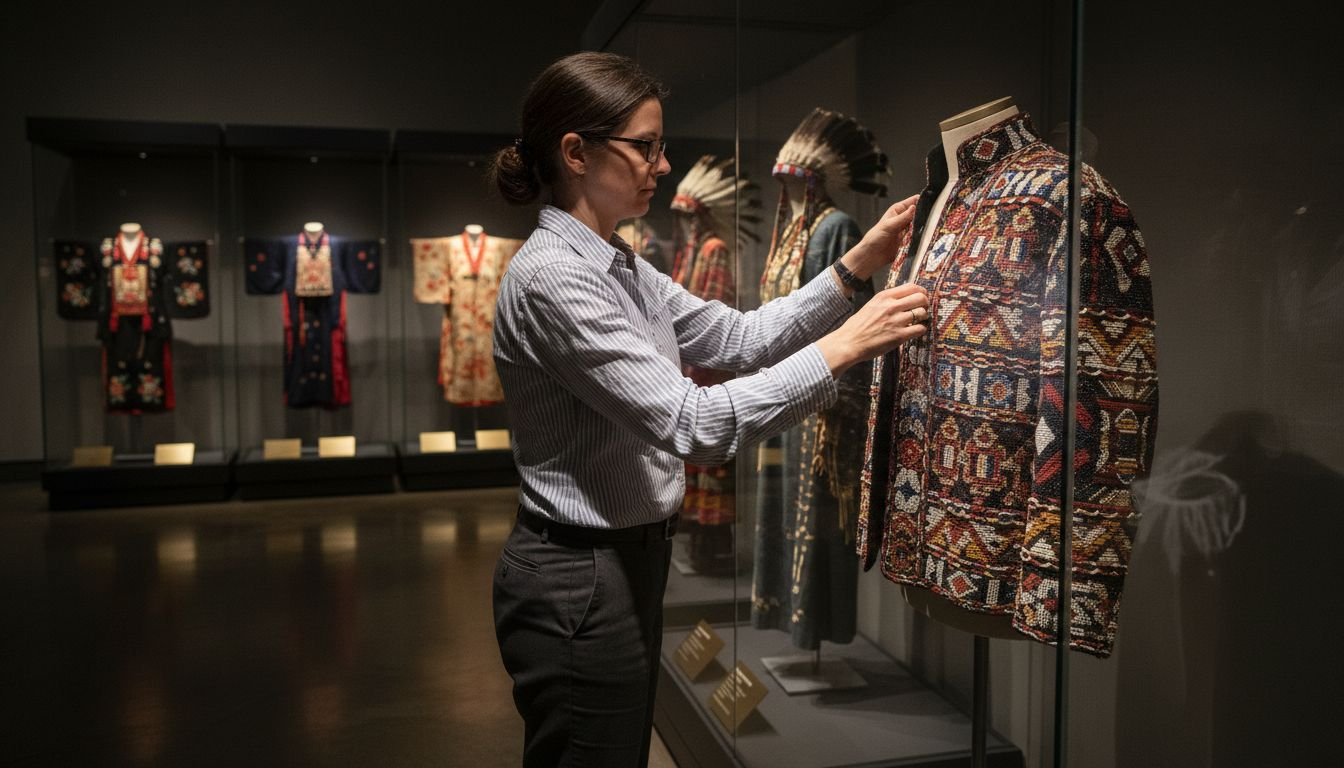
Modern artistic clothing embraces complexity, moving beyond aesthetic beauty to become a medium of personal and collective expression. By understanding clothing as art, we recognize the intricate ways individuals use fashion to negotiate identity, challenge social norms, and communicate without words.
Pro tip: Approach your wardrobe as a personal art gallery, where each piece tells a unique story about your identity and perspective.
Types of Artistic Apparel and Design Approaches
Artistic apparel design transcends traditional fashion by embracing innovative methodologies that transform clothing into dynamic creative expressions. Research through Design approaches reveal how designers integrate practice-based inquiry and embodied knowledge to generate groundbreaking clothing concepts that challenge conventional aesthetic boundaries.
The landscape of artistic apparel design encompasses multiple sophisticated approaches:
- Practice-based Research: Creating garments as research outcomes
- Conceptual Design: Exploring clothing as a medium of social commentary
- Embodied Knowledge: Integrating personal experience into design processes
- Narrative Clothing: Using fabric and form to tell complex stories
- Cultural Interpretation: Reflecting social dynamics through textile design
Contemporary designers increasingly utilize systematic artistic research methods that blend theoretical insights with creative exploration. These approaches transform clothing from mere functional coverings into powerful statements of individual and collective identity. Artistic clothing design now represents a nuanced dialogue between personal expression, cultural context, and innovative craftsmanship.
By embracing these multifaceted design approaches, artists and designers are redefining the boundaries between fashion, art, and personal communication. Each garment becomes a carefully constructed narrative, inviting viewers to engage with complex visual languages that transcend traditional aesthetic expectations.
Here’s how artistic clothing design approaches differ in focus and outcome:
| Design Approach | Main Focus | Typical Outcome |
|---|---|---|
| Practice-based | Hands-on experimentation | Unique, research-driven pieces |
| Conceptual | Social critique | Clothing with strong messages |
| Embodied Knowledge | Personal experience | Authentic, emotion-filled work |
| Narrative | Storytelling | Garments as narrative objects |
| Cultural Interpretation | Social context | Designs reflecting traditions |
Pro tip: Explore clothing design as a form of personal storytelling, where every stitch and fabric choice communicates a deeper narrative about your unique perspective.
Key Elements: Humor, Nostalgia, and Cultural Play
Clothing emerges as a powerful medium of communication, where restorative nostalgia transforms fashion into a dynamic dialogue between personal memory and cultural expression. Humor, nostalgia, and cultural play become intricate tools that transform garments from simple coverings into rich narrative landscapes, inviting viewers to engage with complex emotional experiences.
The key elements of artistic clothing design incorporate multiple sophisticated dimensions:
- Emotional Resonance: Triggering memories and shared cultural experiences
- Subversive Humor: Challenging social norms through witty design
- Generational Storytelling: Reinterpreting historical aesthetic moments
- Identity Performance: Using clothing as a personal communication platform
- Cultural Commentary: Embedding social critique within graphic design
Nostalgic fashion among younger generations reveals a fascinating interplay between algorithmic content, personal memories, and collective identity. Contemporary clothing design has evolved beyond mere aesthetic expression, becoming a nuanced language where humor serves as a critical communication tool. Each graphic, each stitch becomes an opportunity to challenge expectations, spark conversations, and reflect individual perspectives.
By embracing these multifaceted approaches, clothing transcends its traditional boundaries. Designers and wearers collaborate in creating living, breathing narratives that speak to personal experiences, cultural moments, and shared human emotions, transforming fabric into a canvas of collective storytelling.
Pro tip: Treat your wardrobe as a personal museum, where each piece tells a story that reflects your unique journey and sense of humor.
Artistic Clothing as Personal and Social Identity
Fashion as a powerful self-expression tool reveals clothing’s transformative potential as a medium for personal and collective narrative. Beyond mere fabric and design, artistic clothing becomes a complex language through which individuals communicate their deepest values, experiences, and cultural identities.
The multifaceted dimensions of clothing as identity expression include:
- Cultural Signaling: Communicating heritage and background
- Personal Narrative: Representing individual life experiences
- Social Affiliation: Indicating group memberships and values
- Emotional Landscape: Reflecting internal psychological states
- Resistance and Empowerment: Challenging social norms through appearance
Clothing choices communicate intricate social signals, functioning as a nuanced language of personal and collective identity. Artistic apparel transcends traditional fashion by transforming garments into dynamic platforms for self-definition, allowing wearers to curate and broadcast their unique perspectives without uttering a single word.
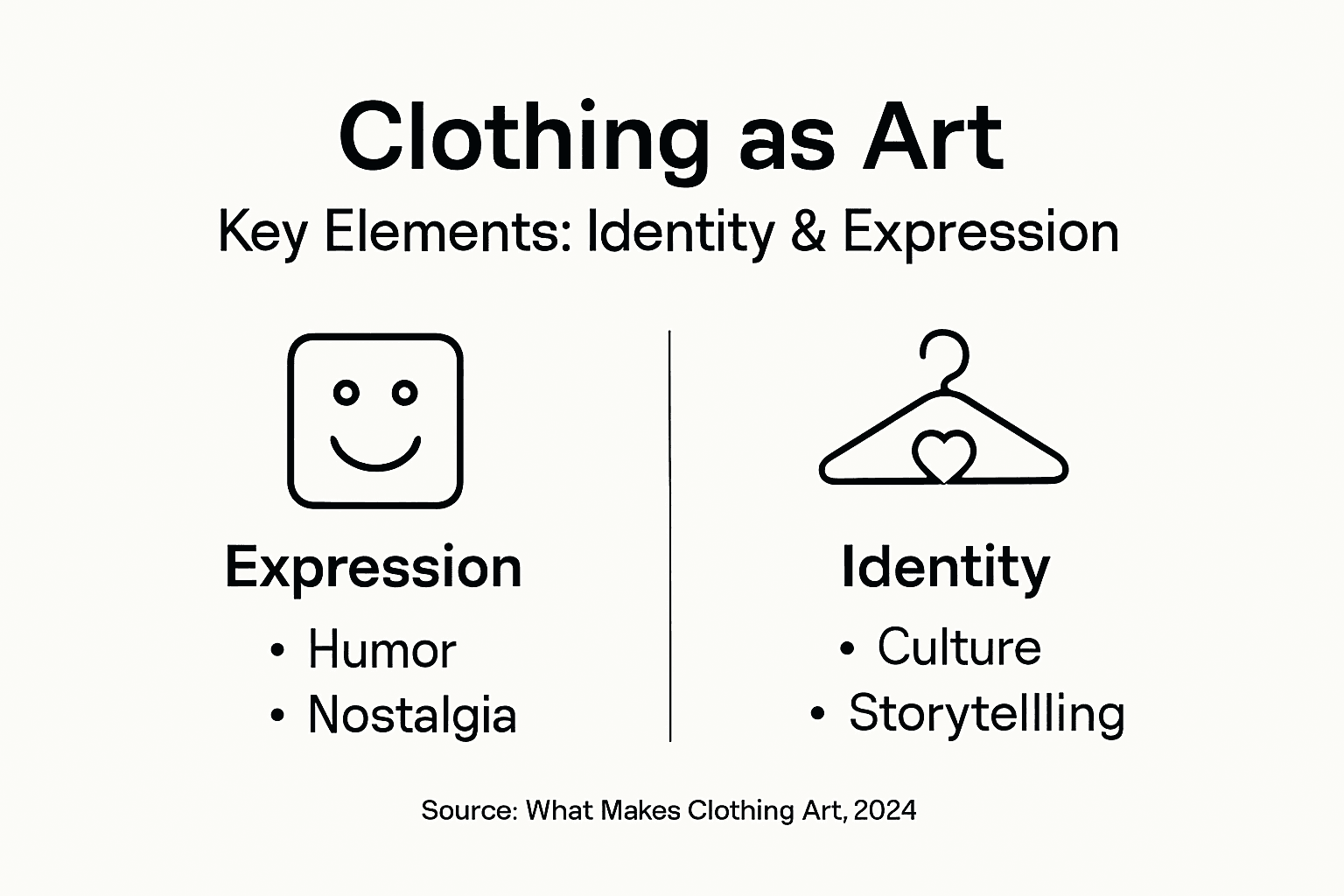
By understanding clothing as a profound form of communication, individuals can leverage artistic apparel as a powerful tool for personal branding, social connection, and cultural commentary. Each selected piece becomes a carefully crafted statement that reflects not just personal style, but a complex intersection of individual experience and broader social contexts.
Pro tip: Curate your wardrobe intentionally, treating each piece as a chapter in your personal story and a canvas for self-expression.
Pitfalls to Avoid: Imitation, Quality, and Ethics
Ethical challenges in artistic clothing production reveal complex tensions between creativity, authenticity, and responsible design. Artistic clothing demands more than aesthetic appeal - it requires a nuanced understanding of intellectual integrity, sustainability, and the profound social implications of design choices.
Key pitfalls in artistic clothing design include:
- Design Plagiarism: Copying without transformation or credit
- Unsustainable Production: Compromising environmental and labor standards
- Cultural Appropriation: Misrepresenting or exploiting cultural symbols
- Quality Compromise: Prioritizing trend over craftsmanship
- Ethical Manufacturing: Neglecting worker welfare and rights
Fashion plagiarism represents a significant industry challenge, where designers must navigate the delicate boundary between inspiration and direct copying. Artistic integrity demands more than legal compliance - it requires a commitment to original vision, respectful representation, and meaningful creative contribution.
Navigating these ethical landscapes requires conscious decision-making, prioritizing innovation that respects creative origins, cultural contexts, and human dignity. By embracing transparency, supporting ethical production, and valuing authentic expression, designers can transform potential pitfalls into opportunities for meaningful artistic dialogue.
Summary of key ethical challenges in artistic clothing production:
| Challenge | Risk Description | Responsible Solution |
|---|---|---|
| Plagiarism | Loss of originality | Credit sources, innovate |
| Unsustainable Process | Environmental impact | Use eco-friendly materials |
| Cultural Appropriation | Disrespect of cultures | Collaborate and research |
| Poor Quality | Damaged reputation | Prioritize craftsmanship |
| Unethical Manufacturing | Harm to workers | Ensure fair labor practices |
Pro tip: Always research the cultural and ethical implications of your design inspiration, treating creativity as a responsibility rather than a privilege.
Express Your Identity Through Artistic Clothing That Speaks
The article “What Makes Clothing Art: Identity, Humor, and Expression” highlights the powerful role of clothing as a medium for personal storytelling, humor, and cultural commentary. If you have ever felt frustrated by generic fashion that fails to reflect your unique personality or resonate with your sense of humor and nostalgia, you are not alone. The challenge is to find clothing that goes beyond fabric and function to become a true statement of self and community. Artistic apparel is about crafting clothes that talk back and wear your identity proudly while sparking real conversations.
At ChillStitch we understand the emotional connection you seek in your wardrobe. Our collection of vintage-inspired tees, hoodies, and sweatshirts brings humor, style, and connection front and center with carefully designed graphics and slogans that echo the cultural playfulness and personal narratives described in the article. Every piece is ethically sourced and printed with care so that your clothing expresses your story with comfort and quality. Whether you want to make your hoodie your statement or simply enjoy clothes that spark conversations, our apparel invites you to wear your personality boldly.
Explore our unique designs and start turning your wardrobe into a canvas for identity and expression.
Ready to wear your story with humor and heart today Visit ChillStitch and discover how to say it loud and wear it proud with clothes made for connection and creativity. Don’t settle for ordinary when your style can mean so much more. Experience clothes that truly talk back now.
Frequently Asked Questions
What makes clothing an art form?
Clothing becomes an art form when it embodies intentional design, cultural symbolism, personal storytelling, emotional resonance, and craftsmanship that reflects heritage and individuality. Artistic clothing communicates complex narratives beyond just functionality.
How does humor influence artistic clothing design?
Humor in artistic clothing design serves as a tool for social commentary, challenging norms and sparking conversations. Designers may use witty graphics or playful elements to provoke thought and engagement with deeper themes.
In what ways does clothing express personal identity?
Clothing expresses personal identity through cultural signaling, life experiences, and emotional landscapes. It provides a platform for self-definition, allowing wearers to convey values, affiliations, and unique narratives without the need for words.
What are common ethical challenges in artistic clothing production?
Common ethical challenges in artistic clothing production include design plagiarism, unsustainable practices, cultural appropriation, compromised quality, and unethical manufacturing. Addressing these issues requires a commitment to originality, respect for cultural contexts, and responsible production practices.
Recommended
- Why Choose Tees to Express Personality: Complete Guide – ChillStitchApparel
- Creativity in Clothing Design: Why It Matters – ChillStitchApparel
- Playful Graphics Clothing: Expressing Humor and Identity – ChillStitchApparel
- Understanding Hoodie Funny: The Humor in Casual Wear – ChillStitchApparel
- Artist T‑Shirt – ‘Palestine Village’ — Original Artwork – Eman’s Gallery