

Rocking a graphic tee is more than making a fashion statement—it is a way to show the world exactly who you are. Whether you are channeling the free spirit of the Nineties or riffing on vintage humor, clothing becomes a powerful tool for self-expression and sparking real conversations. From playful designs to bold nostalgia, every choice is a chance to share your unique story and connect with others who get the joke. When style meets meaning, authenticity always stands out.
Table of Contents
- Defining Self-Expression Through Design
- Types of Personal Style in Apparel
- The Power of Humor and Nostalgia in Design
- How Graphic Clothing Fosters Community
- Personal Branding: Risks and Rewards
Key Takeaways
| Point | Details |
|---|---|
| Self-Expression Through Design | Design serves as a significant medium for personal identity, enabling individuals to communicate complex narratives about themselves. |
| Styles of Personal Apparel | Different clothing styles reflect intricate psychological landscapes, revealing deeper aspects of identity and emotional expression. |
| Nostalgia and Humor in Design | Utilizing nostalgia and humor in design can evoke emotional connections, enhancing the impact of objects through shared experiences. |
| Personal Branding Dynamics | Crafting a personal brand requires balancing visibility with authenticity, while strategically managing the narrative and professional image. |
Defining Self-Expression Through Design
Design serves as a powerful medium for personal identity and communication, transcending mere aesthetic choices to become a profound language of self-expression. Through carefully curated visual elements, individuals communicate complex narratives about who they are, what they value, and how they perceive themselves in the world. Emotional relationships between users and designed objects reveal that personalization transforms products from generic items into unique extensions of personal identity.
The process of self-expression through design involves multiple interconnected dimensions:
- Visual Communication: Using color, shape, and style to convey personality
- Cultural Signaling: Representing group affiliations and individual heritage
- Emotional Projection: Externalizing internal feelings through creative choices
- Social Differentiation: Creating unique personal branding
Modern design technologies, particularly AI-generated creative tools, have expanded the boundaries of self-expression. These technologies enable individuals to experiment with identity representation in increasingly nuanced and personalized ways. Generative AI platforms allow users to translate abstract emotional experiences into tangible visual narratives, democratizing creative self-expression.
Pro tip: Approach design as a dialogue, not just a visual statement - each choice you make is a conversation about your inner world.
Types of Personal Style in Apparel
Personal style in apparel is a dynamic form of nonverbal communication that extends far beyond simple clothing choices. Personal clothing styles reflect complex psychological landscapes, representing intricate narratives of identity, self-perception, and emotional expression. Each wardrobe selection becomes a carefully curated statement about who we are, what we believe, and how we want the world to perceive us.
Research identifies several distinctive style personalities that demonstrate the depth of personal expression through clothing:
- Minimalist: Clean lines, neutral colors, emphasizing simplicity
- Bohemian: Layered, eclectic, celebrating artistic freedom
- Classic: Timeless pieces, structured silhouettes, refined elegance
- Avant-Garde: Experimental, pushing fashion boundaries
- Street Style: Urban, edgy, reflecting contemporary cultural movements
- Vintage: Nostalgic, celebrating historical fashion eras
Workplace clothing styles uniquely communicate personal identity, revealing not just professional personas but deeper personality traits. Each style type signals distinct social cues, from confidence and creativity to conformity and ambition. The psychological complexity behind clothing choices demonstrates that fashion is a nuanced language of self-representation.
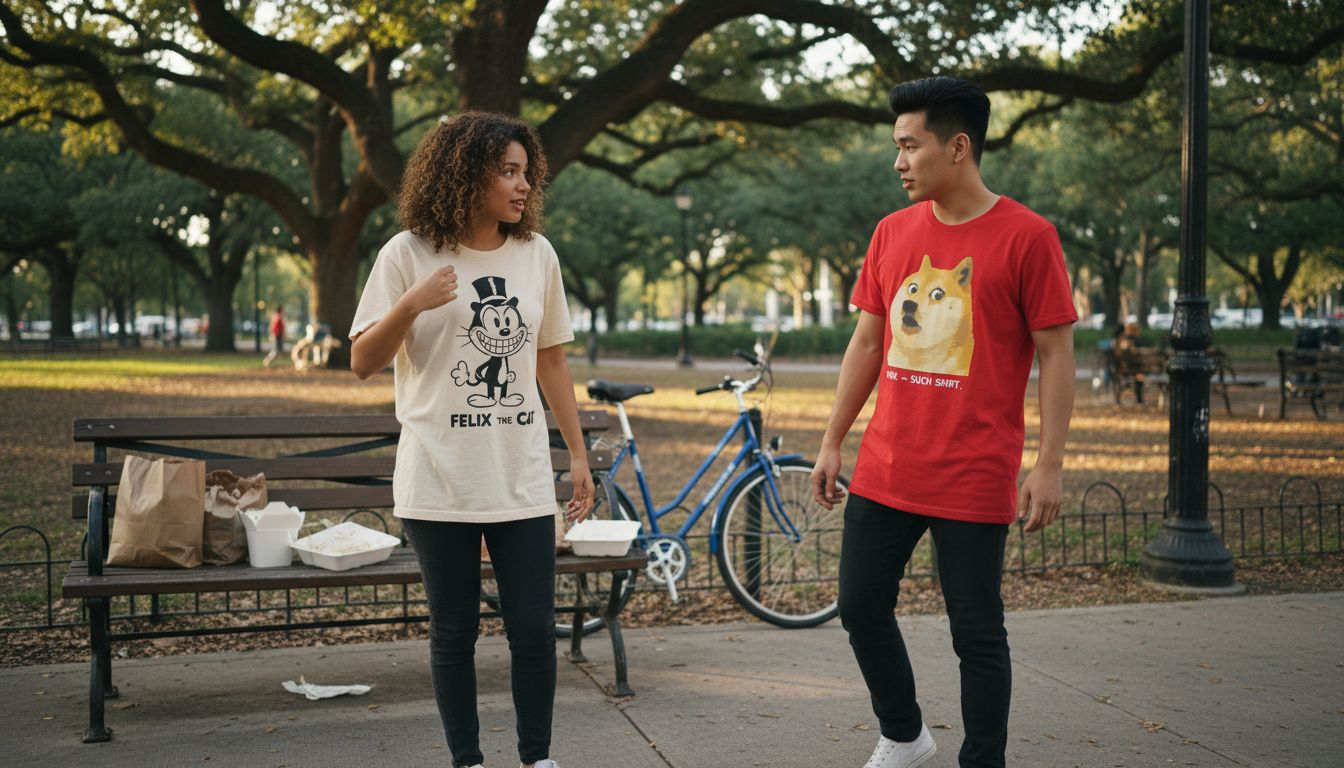
Modern apparel allows unprecedented personalization, enabling individuals to craft multilayered identities through strategic style selections. By understanding these style archetypes, people can more intentionally design their visual narrative and communicate their inner world.
Here’s a summary of how different personal apparel styles convey unique psychological messages:
| Style Archetype | Underlying Message | Social Impact |
|---|---|---|
| Minimalist | Emphasizes clarity of thought | Suggests calm and focus |
| Bohemian | Communicates creativity and openness | Invites artistic connections |
| Classic | Signals tradition and reliability | Instills trust and respect |
| Avant-Garde | Highlights innovation and boldness | Attracts attention and curiosity |
| Street Style | Expresses adaptability and awareness | Connects with current culture |
| Vintage | Evokes nostalgia and appreciation for history | Appeals to sentimental values |
Pro tip: Choose clothing that resonates with your authentic self, not just current trends - true style is about personal comfort and genuine expression.
The Power of Humor and Nostalgia in Design
Humor and nostalgia represent powerful psychological tools in design, transforming ordinary objects into emotional experiences that resonate deeply with personal and collective memories. Nostalgic design strategies create profound emotional connections, leveraging sensory triggers and cultural references to evoke meaningful interactions between users and designed objects.
The emotional landscape of nostalgia encompasses several key dimensions:
- Memory Retrieval: Triggering positive past experiences
- Cultural Resonance: Connecting with shared generational narratives
- Emotional Comfort: Creating feelings of safety and familiarity
- Identity Reinforcement: Validating personal and collective histories
- Humor as Connection: Using wit to bridge emotional distances
Nostalgic experiences vary based on contextual factors, including age, gender, and personal background. These variations demonstrate that nostalgic design is not a one-size-fits-all approach but a nuanced method of emotional communication. Designers must carefully balance nostalgic elements with innovative approaches to prevent becoming trapped in purely retrospective experiences.
Humor serves as a complementary emotional mechanism, breaking down barriers and creating instant connections through shared laughter. By combining nostalgic references with clever, witty design elements, creators can craft experiences that are simultaneously familiar and surprising, inviting audiences to engage more deeply with the designed object.
Pro tip: When designing for emotional impact, think of nostalgia and humor as conversation starters, not just visual elements - they’re about creating meaningful human connections.
The following table contrasts nostalgic and humorous design strategies for emotional impact:
| Aspect | Nostalgia-Driven Design | Humor-Driven Design |
|---|---|---|
| Main Effect | Evokes fond memories | Elicits amusement |
| Emotional Tone | Comforting and warm | Playful and upbeat |
| Connection Type | Relates to shared past | Fosters instant rapport |
| Risk | May alienate younger users | Risk of misinterpretation |
| When to Use | Products with legacy or history | Items aiming for approachability |
How Graphic Clothing Fosters Community
Graphic clothing transcends simple fashion, emerging as a powerful social technology that connects individuals through shared visual language and collective experiences. Fashion design creates meaningful social dialogues, transforming garments from mere fabric coverings into dynamic platforms for community building and identity expression.
Graphic clothing facilitates community connection through several key mechanisms:
- Shared Cultural References: Creating instant recognition among like-minded individuals
- Conversation Starters: Enabling spontaneous interactions based on visual storytelling
- Tribal Signaling: Indicating membership in specific interest groups or subcultures
- Emotional Resonance: Expressing collective experiences through visual metaphors
- Identity Validation: Reinforcing personal and group narratives
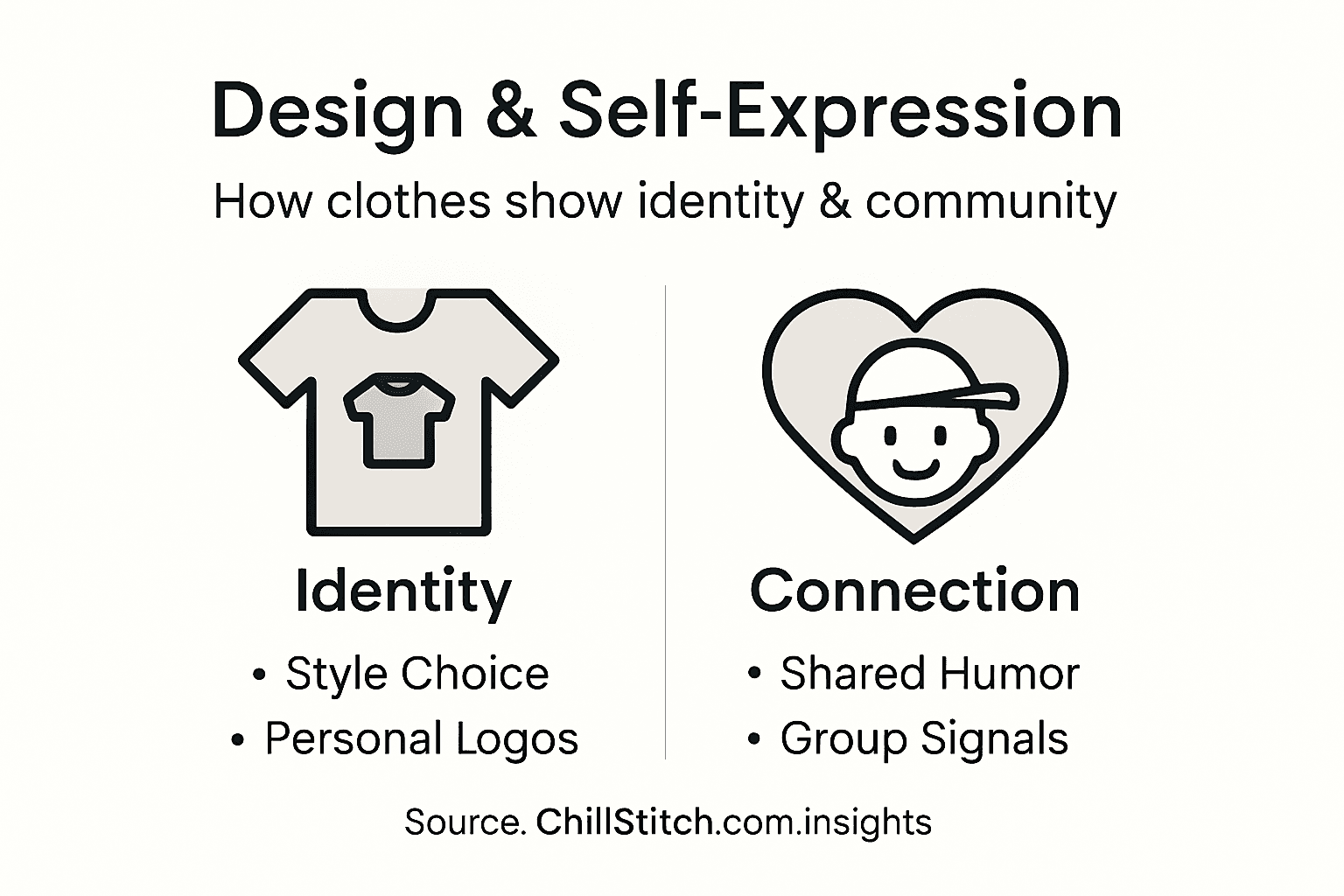
These visual communication channels work seamlessly across different social contexts, allowing individuals to signal complex personal narratives without verbal explanation. A witty graphic tee can instantly communicate humor, political stance, musical preference, or generational experience, creating immediate points of potential connection with strangers who share similar perspectives.
Modern graphic clothing has evolved into a sophisticated form of social currency, where design choices become deliberate statements about belonging, resistance, and collective identity. By wearing carefully selected graphics, individuals participate in broader cultural conversations, transforming personal style into a dynamic form of social interaction and community engagement.
Pro tip: Choose graphic clothing that genuinely reflects your authentic self - authenticity creates the most meaningful connections.
Personal Branding: Risks and Rewards
Personal branding is a strategic process of crafting and communicating a distinctive professional identity that simultaneously offers incredible opportunities and potential pitfalls. Strategic personal branding research reveals complex professional dynamics, highlighting the delicate balance between visibility and authenticity in modern professional landscapes.
Key dimensions of personal branding encompass multiple strategic considerations:
- Visibility: Increasing professional recognition
- Credibility: Building trust and expertise perception
- Authenticity: Maintaining genuine self-representation
- Risk Management: Controlling narrative and reputation
- Strategic Communication: Deliberately shaping professional image
Personal Brand Equity requires careful management, balancing exposure with strategic restraint. Successful personal branding involves understanding nuanced professional communication, leveraging digital platforms while maintaining genuine connections, and creating a compelling narrative that resonates across different professional contexts.
Navigating personal branding demands sophisticated emotional intelligence and strategic communication skills. Individuals must craft a narrative that is simultaneously aspirational and authentic, using digital and physical platforms to communicate complex professional identities without appearing calculated or insincere.
Pro tip: Treat your personal brand like a living story - continuously evolve, stay true to your core values, and remember that authenticity trumps perfection.
Express Your Identity with Clothing That Speaks
The article highlights how design goes beyond style to become a language of self-expression that connects identity, humor, and community. If you struggle to find apparel that truly reflects your personal story or want to wear pieces that spark conversations and evoke genuine emotions, you are not alone. Key pain points include the challenge of conveying authenticity through visual style and building meaningful connections with what you wear. At ChillStitch.com, we understand that clothing acts as a canvas for your unique narrative by blending humor, nostalgia, and heart in every design.
Our collection of vintage-inspired tees, hoodies, and sweatshirts offers more than just fashion. Each piece is crafted with care on ethically sourced fabrics to help you say it loud and wear it proud. Whether you identify with classic movie references, clever slogans, or subtle pop culture nods, you can express your personality while nurturing community and connection. See how your wardrobe can become a powerful dialogue about who you are.
Discover clothing that talks back and invites interaction.
Explore the full selection at ChillStitch.com. Visit Your Hoodie. Your Statement. and Clothes That Spark Conversations to find your perfect match.
Want to turn your style into a statement of identity now
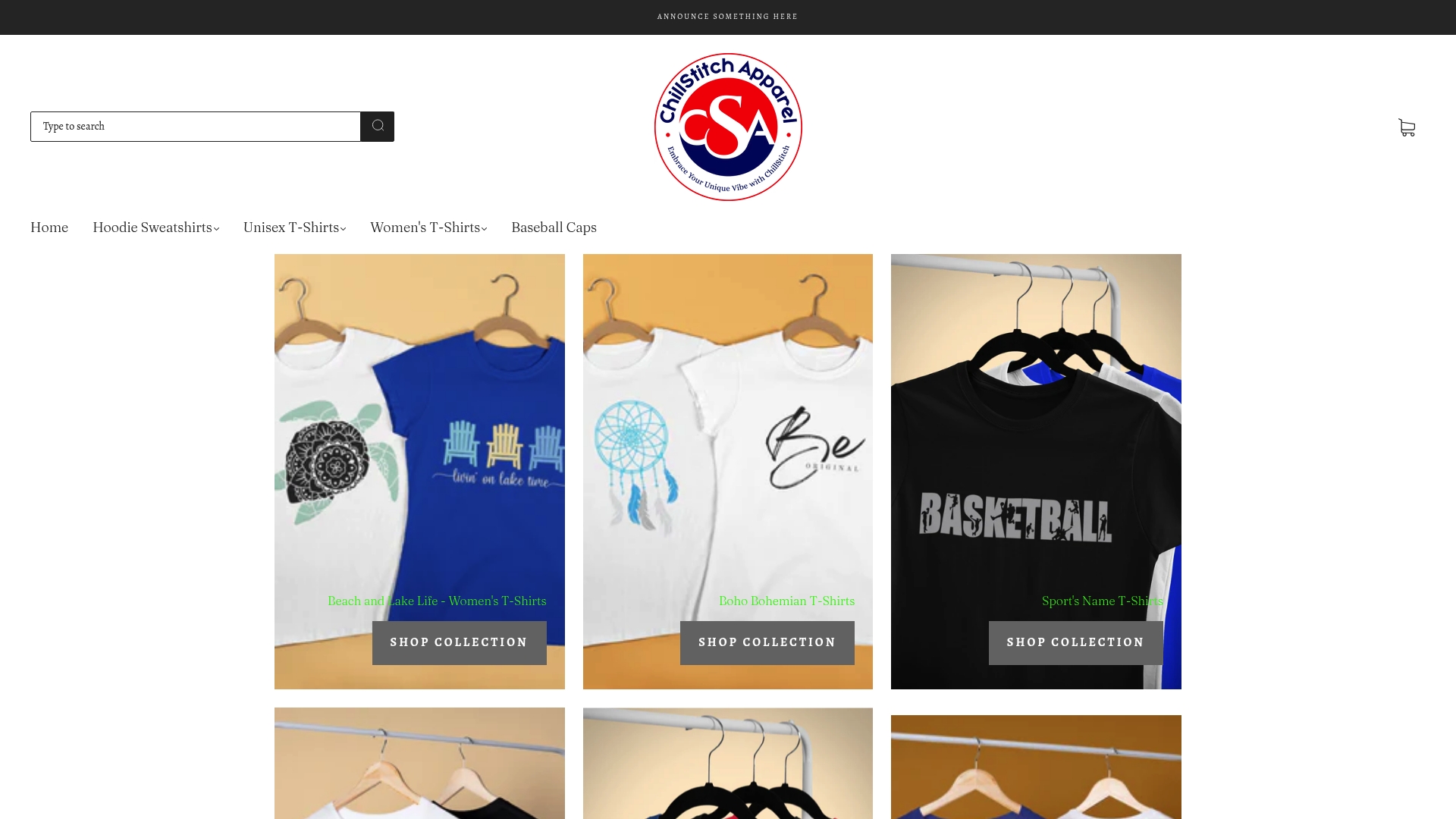
Browse our unique graphic apparel today at ChillStitch.com and start wearing pieces that reflect your true self and foster genuine connection.
Frequently Asked Questions
How does design facilitate self-expression?
Design allows individuals to communicate their personal identity, values, and emotions through visual elements. It transforms everyday objects into extensions of self, enabling a dialogue about inner worlds.
What are the different personal styles in apparel that convey meaning?
Personal styles in apparel include Minimalist, Bohemian, Classic, Avant-Garde, Street Style, and Vintage. Each style reflects unique psychological messages and social signals, allowing individuals to convey their identity and personality through clothing.
How can humor and nostalgia enhance design?
Humor and nostalgia can evoke strong emotional responses, creating connections between users and designed objects. By leveraging these elements, designers can invite deeper engagement and foster meaningful experiences.
In what ways does graphic clothing promote community?
Graphic clothing serves as a visual language that connects individuals through shared cultural references, conversation starters, and identity validation. It creates opportunities for spontaneous interactions and strengthens communal bonds.
Recommended
- What Makes Clothing Art: Identity, Humor, and Expression – ChillStitchApparel
- Why Choose Tees to Express Personality: Complete Guide – ChillStitchApparel
- Creativity in Clothing Design: Why It Matters – ChillStitchApparel
- Playful Graphics Clothing: Expressing Humor and Identity – ChillStitchApparel
- Designer-Inspired Slides: Balancing Comfort and Style – Dracoslides
- Role of Fashion in Eyewear: Complete Guide – ministry of sight