

Finding that perfect vintage tee isn’t just about fashion. It’s about wearing your favorite movie moment or band reference, connecting with fellow fans, and showcasing what makes you laugh or feel nostalgic. The rise of fan agency and creativity in merchandise proves how pop culture blends personal identity with community. This article explores how fandom apparel evolved from grassroots origins to today’s blend of retro graphics, humor, and authentic connection.
Table of Contents
- Defining Fandom Merchandise And Its Origins
- Key Types And Shifting Styles Through Decades
- How Technology Reshaped Fan Product Creation
- Cultural, Legal, And Ethical Impacts On Merchandise
- Personal Identity, Community, And Modern Trends
Key Takeaways
| Point | Details |
|---|---|
| Evolution of Fandom Merchandise | Fandom merchandise has transformed from handmade items in small communities to a global industry, combining both fan creativity and commercial interests. |
| Technology’s Role | Advances in technology have democratized merchandise creation, allowing fans to design and sell products with minimal barriers while maintaining quality and authenticity. |
| Cultural and Ethical Considerations | The relationship between fan creativity and copyright law raises ethical questions regarding the recognition and compensation of fan creators. |
| Identity and Community | Fandom merchandise serves not only as memorabilia but also as a form of identity expression, fostering connections within communities and reflecting personal values. |
Defining Fandom Merchandise and Its Origins
Fandom merchandise represents the physical and digital products that fans create, collect, and trade around their favorite entertainment properties. These items go far beyond simple promotional material—they’re expressions of passion, identity, and community connection. From vintage concert tees to niche fan art prints, fandom merchandise has become the bridge between entertainment creators and their most dedicated audiences.
What makes fandom merchandise unique is its deep connection to fan agency and creativity. Fans don’t passively consume these products; they actively shape what gets made, how it’s designed, and what it means culturally. This intersection of fan culture and consumer behavior transformed fandom from underground hobby into a multi-billion-dollar industry.
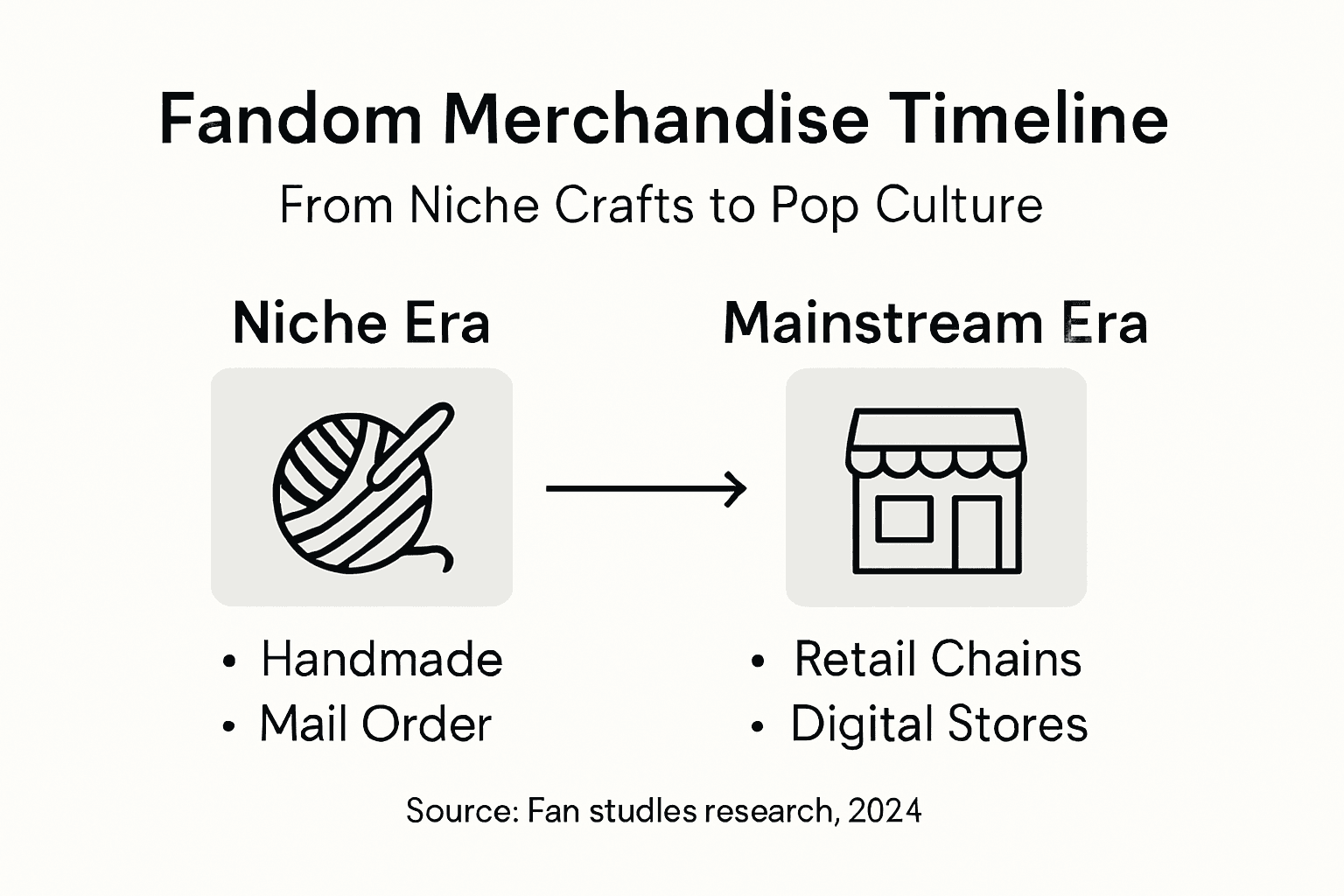
The origins of fandom merchandise trace back decades before the internet existed. In the early days, fans gathered at conventions, traded letters, and created handmade items celebrating their favorite movies, TV shows, and books. These were small, participatory communities where fans printed zines, designed buttons, and sold merchandise to each other.
Key elements of early fandom merchandise included:
- Hand-drawn artwork and custom designs made by fans
- Limited print runs distributed at conventions and through mail networks
- Grassroots production with minimal commercial infrastructure
- Direct creator-to-fan relationships without corporate intermediaries
- Items that served as visible membership markers in niche communities
The shift from niche to mainstream happened gradually. As fan practices evolved from small communities to digital-era presence, technology enabled fans to reach wider audiences. The internet democratized production—fans could design merchandise and reach customers globally without relying on traditional retail distribution.
By the 2000s and 2010s, major entertainment franchises began recognizing the commercial value of fan-driven merchandise. What started as underground culture became licensed, professionalized, and mainstream. Today, fandom merchandise represents serious revenue streams for studios, while independent creators maintain thriving direct-to-fan businesses.
The modern fandom merchandise landscape includes both official licensed products and fan-created alternatives. What connects them is authenticity and community—whether mass-produced or handmade, these items signal belonging to specific cultural tribes.
Fandom merchandise succeeds because it transforms passive viewers into active participants who claim ownership over their favorite stories and identities.
Understanding this evolution matters because it shapes how merchandise is created, marketed, and valued today. The most successful designs honor the grassroots creativity of early fan culture while embracing modern production standards and distribution methods.
Pro tip: When building your fandom wardrobe, seek pieces that combine authentic fan sentiment with quality construction—look for designs created by people genuinely connected to the source material, not just corporations chasing trends.
Key Types and Shifting Styles Through Decades
Fandom merchandise has never been one-size-fits-all. The types of products fans create and collect shift dramatically across decades, shaped by technology, cultural moments, and how fans want to express themselves. What worked in the 1980s looks completely different from what dominates today.
The earliest fandom merchandise was purely analog and tactile. Fans collected action figures, movie posters, vinyl records, and handmade zines. These items were physical artifacts you held, displayed, and traded at conventions. There was no digital alternative—if you wanted to own something, it had to exist in your hands.
By the 1990s and 2000s, merchandise expanded to include:
- T-shirts and apparel with iconic imagery
- Collectible trading cards and memorabilia
- Limited edition prints and lithographs
- Autographed photos and ephemera
- Fan-created artwork sold at conventions
The digital revolution changed everything. As merchandise evolved from basic items to sophisticated multimedia products, fans gained access to screen printing, digital design tools, and online platforms. Suddenly, anyone could design and sell merchandise globally.
Today’s fandom merchandise landscape includes hybrid approaches. Fans want both digital and physical—limited edition prints paired with high-resolution digital files, vintage-inspired graphics on modern, ethically produced apparel, and designs that blend nostalgic aesthetics with contemporary sensibilities. The most successful pieces honor classic styles while feeling current and relevant.
Styleistic shifts reveal deeper cultural changes. Retro graphic designs dominated the 2010s as millennials and Gen X fans sought nostalgia. The 2020s brought maximalist, bold typography and ironic humor. What unites these trends is authenticity—fans can instantly recognize designs created by people who genuinely love the source material versus corporate attempts to capitalize on trends.
The best fandom merchandise works across decades because it taps into timeless emotions—belonging, pride, and the desire to celebrate what you love.
Consumer culture and technological advances continue reshaping what merchandise looks like and how it’s made. Sustainable practices matter more now. Quality construction matters more. Fans want to wear their passion on apparel that feels good and lasts.
Your fandom merchandise choices reveal which era speaks to you. Whether you gravitate toward vintage-inspired aesthetics or contemporary bold designs, understanding these shifts helps you build a wardrobe that genuinely reflects your identity.
Pro tip: When shopping for fandom merchandise, look for pieces that combine design elements from multiple eras—vintage color palettes with modern printing techniques create timeless items that won’t feel dated in five years.
Here’s a summary of how fandom merchandise evolved across key decades:
| Era | Main Merchandise Types | Distribution Method | Fan Involvement |
|---|---|---|---|
| Pre-1990s | Handmade zines, buttons, fan art | Conventions, mail networks | High, grassroots efforts |
| 1990s-2000s | T-shirts, trading cards, collectible prints | Retail stores, conventions | Collaborative, growing scenes |
| 2010s-Present | Digital files, hybrid apparel, AI-created designs | Online platforms, print-on-demand | Global, highly interactive |
How Technology Reshaped Fan Product Creation
Technology didn’t just change how fans consume entertainment—it fundamentally transformed how they create and share merchandise. What used to require printing presses, screen printing equipment, and retail connections now happens from a bedroom laptop.

Before the internet, fan merchandise creation was gatekept by access. You needed expensive equipment, industry connections, or a booth at a convention to sell your designs. Most fans remained consumers, not creators. The barrier to entry was simply too high.
The first digital revolution democratized design. Print-on-demand services like CustomInk and Teespring emerged in the 2000s, allowing anyone to upload a design and sell merchandise without holding inventory. A fan could design a shirt on Monday and have customers ordering by Friday. The economics completely flipped.
Then came social media. Platforms like Instagram, TikTok, and Twitter gave fan creators direct access to millions of potential customers. A single viral post could turn a niche design into a bestseller overnight. Fan artists who would’ve struggled to sell ten prints at a convention could now reach global audiences instantly.
Today, artificial intelligence and machine learning are reshaping creativity itself. AI-powered design tools enable rapid customization and support creative fan labor, allowing fans to generate variations, iterate quickly, and experiment with designs that would’ve taken hours manually. This isn’t replacing human creativity—it’s amplifying it.
The impact extends beyond speed. Technology enables:
- Complex, intricate designs impossible with older production methods
- Real-time personalization and custom orders at scale
- Global distribution without physical inventory
- Affordable small batch production for niche communities
- Direct feedback loops between creators and fans
AI tools have revolutionized merchandise creation by speeding production and enabling personalized fan engagement, strengthening the connection between design intent and community response. Creators can now test designs, get feedback, and iterate based on real customer data.
Yet technology also created new challenges. Quality control became harder with print-on-demand services. Market saturation increased—more creators means more competition. Authenticity matters more now because anyone can upload designs, blurring the line between genuine fan creations and corporate merchandise designed to look grassroots.
Technology gave fans the tools to create, but authenticity and genuine passion remain the ultimate competitive advantage in fandom merchandise.
The most successful fan creators today blend technical skill with creative vision. They understand design software, production methods, community platforms, and how to tell stories through merchandise.
Pro tip: When launching your own fandom designs, use AI design assistants to speed up the iteration process, but keep your unique perspective—the human creative vision is what makes merchandise feel authentic and worth wearing.
Compare the main challenges and opportunities technology brings to fan merchandise creation:
| Aspect | Opportunities | Challenges |
|---|---|---|
| Production Speed | Designs produced in days | Quality control with fast turnaround |
| Market Access | Global reach, niche audiences | Market saturation, intense competition |
| Customization | Personalized, rapid iterations | Harder to vet authenticity or origin |
Cultural, Legal, and Ethical Impacts on Merchandise
Fandom merchandise exists in a complex legal and ethical gray zone. The tension between fan creativity and intellectual property rights shapes everything—from what designs get made to how creators protect themselves. Understanding these dynamics matters whether you’re buying or creating.
The core issue is copyright and licensing. Fan creators operate in a space where they celebrate stories they don’t own. Studios technically hold exclusive rights to characters, logos, and narratives. Yet fans have been creating derivative works for decades, and studios have learned that fan creativity drives engagement and loyalty.
This creates an uneasy balance. Some studios embrace fan merchandise through licensing agreements. Others tolerate it as free marketing. Still others aggressively pursue cease-and-desist orders. The negotiation of copyright law and creative expression in fandom remains deeply contested, leaving creators uncertain about legal legitimacy.
The ethical dimensions run deeper than legality. Fan labor raises important questions:
- Are fans exploited when their designs drive corporate profits?
- Who benefits when fan communities generate cultural value?
- How do we recognize fan contributions fairly?
- What responsibilities do platforms have toward creators?
Cultural representation matters too. Evolving fan identities and social context influence how merchandise shapes inclusion and representation. Fandom merchandise can amplify marginalized voices or reinforce harmful stereotypes. The designs fans choose to wear communicate values.
Consumers also face ethical choices. Buying from independent fan creators directly supports artists. Purchasing licensed official merchandise ensures revenue flows to original creators. Buying from unethical sellers funds nothing but exploitation.
Fandom merchandise works best when it respects three things: the source material creators, the fan artists, and the values of the community wearing it.
The transparency around production matters increasingly. Where are materials sourced? What are working conditions? Are artists paid fairly? These questions separate ethical merchandise from greenwashed or exploitative alternatives.
Moving forward, the industry is shifting toward clearer guidelines. Some studios now offer official fan licensing programs. Communities develop ethical codes. Creators become more transparent about their practices and inspirations.
Pro tip: Before buying or creating fandom merchandise, research the creator’s stance on copyright, check if designs are original fan art or licensed, and choose sellers who clearly communicate their ethical practices and fair compensation models.
Personal Identity, Community, and Modern Trends
Fandom merchandise stopped being just about owning a collectible. It became a visible declaration of who you are and where you belong. The tee you wear says something about your values, your humor, your pop culture tribe.
Wearing fandom merchandise is an act of identity expression. Engagement with fandom merchandise and communal activities shapes individual identity within digital fan spaces. A graphic tee isn’t passive clothing—it’s a conversation starter, a signal to others, a statement about what matters to you.
This connects directly to community. Fandom merchandise creates instant recognition. You spot someone wearing a band tee from a cult movie and immediately feel a spark of connection. That shared reference becomes the foundation for real relationships and conversations. You’re not just a fan alone; you’re part of a visible, wearable tribe.
Modern trends reflect how fandom identity has evolved:
- Ironic humor that signals cultural awareness and self-awareness
- Retro nostalgia blended with contemporary design sensibilities
- Inclusive representation celebrating marginalized fan communities
- Quality craftsmanship over fast fashion approaches
- Sustainable production reflecting evolving consumer values
The rise of digital-first fandom spaces changed how merchandise functions. Before social media, fandom communities gathered physically. Now they exist primarily online. Yet merchandise remains crucial because it bridges the digital and physical. It brings the online community into real-world visibility.
Personal identity expression through fandom merchandise now intersects with how merchandise serves as outward expression of identity and belonging in mediated worlds. Your TikTok followers see your aesthetic. Your Discord community recognizes your vibe. The apparel you wear contributes to that carefully curated identity presentation.
There’s also a counter-trend emerging. Anti-trend aesthetics celebrate authentic niche references over mainstream appeal. Fans deliberately choose obscure designs to signal deeper fandom knowledge. What counts as cool keeps shifting as the community itself evolves.
Fandom merchandise today reflects the wearer’s entire identity ecosystem—their humor, politics, nostalgia triggers, and values—not just their favorite movie.
The commercialization of fandom created tension. Major brands now create “fandom merchandise” without genuine connection to fan communities. Yet authentic fan creators maintain credibility through transparency and genuine passion. The distinction matters increasingly to audiences.
Pro tip: Build your fandom wardrobe by mixing iconic classics with independent creator designs—this approach shows your taste range while directly supporting artists who genuinely understand the community you’re celebrating.
Celebrate Your Fandom With Style and Authenticity
The journey of fandom merchandise shows us how important it is to wear what truly represents your passion and identity. Whether you’re drawn to vintage-inspired designs or bold, modern styles, the challenge remains finding apparel that bridges authenticity, quality, and community connection. Many fans struggle to find pieces that honor grassroots creativity while embracing ethical production and lasting comfort.
At ChillStitch, we understand your desire for clothes that talk back, expressing humor, nostalgia, and heart all at once. Our tees, hoodies, and sweatshirts are crafted for fans who want to say it loud and wear it proud. We offer apparel that combines classic movie references and playful designs on ethically sourced fabrics designed to spark conversations wherever you go.
Explore the perfect mix of retro vibes and contemporary craftsmanship at ChillStitch and discover why our collections are more than clothing — they are statements of identity and community. Don’t miss out on owning garments that truly connect you to what you love. Start building a wardrobe that celebrates your fandom and stands the test of time today with Clothes That Spark Conversations.
Find your statement piece now at Your Hoodie. Your Statement. and wear your passion proudly.
Frequently Asked Questions
What types of fandom merchandise exist today?
Fandom merchandise today includes a variety of products such as apparel, digital files, collectible trading cards, limited edition prints, and fan-created artwork. Items can range from officially licensed products to unique creations made by independent artists.
How has technology influenced the creation of fandom merchandise?
Technology has democratized the creation of fandom merchandise, allowing fans to design and sell products through print-on-demand services and social media. This has made it easier for creators to reach global audiences and produce customized items quickly, though it has also increased competition and market saturation.
What role does authenticity play in fandom merchandise?
Authenticity is crucial in fandom merchandise as it signifies genuine connection to the source material. Fans are more likely to support items that are designed by creators who share their passion, as opposed to products that feel corporate or exploitative.
How can fans ensure that they are supporting ethical merchandise?
Fans can support ethical merchandise by researching the creators’ stances on copyright, checking if designs are original fan art or licensed, and choosing sellers who communicate their ethical practices clearly, focusing on fair compensation and sustainable production.
Recommended
- What Is Fan-Made Merch and Why It Resonates – ChillStitchApparel
- Fandom Apparel: How Clothing Builds Community – ChillStitchApparel
- Evolution of Graphic Tees: Complete Style Guide – ChillStitchApparel
- Cult Movie Shirts: Pop Culture Worn Proudly – ChillStitchApparel
- Why is the mini bag trending?
- Las redes sociales curiosas no serian lo mismo sin Vampire Freaks - El Tecnoilogico