

Finding graphic apparel that balances style, humor, nostalgia, and ethical production feels impossible. You want clothing that sparks conversation and reflects your values, but most brands fall short on transparency or environmental responsibility. This guide teaches you how to create ethical graphic apparel that truly aligns with eco-conscious principles, from selecting sustainable materials to ensuring fair labor practices throughout production.
Table of Contents
- Understanding The Environmental And Social Impact Of Graphic Apparel Materials
- Building An Ethical Supply Chain For Graphic Apparel
- Designing And Printing Graphic Apparel Sustainably And Ethically
- Certifications, Transparency, And Consumer Trust In Ethical Graphic Apparel
- Discover Stylish, Ethical Graphic Apparel At ChillStitch
Key takeaways
| Point | Details |
|---|---|
| Fabric choice matters most | Textiles account for 70% of apparel’s environmental footprint, making material selection critical. |
| Transparent supply chains build trust | Brands with ethical supply chains report higher customer lifetime value and lower returns. |
| Design for circularity | Using mono-material fabrics without blends enables easier recycling and reduces waste. |
| Water-based inks reduce harm | Digital printing and water-based inks minimize environmental impact compared to traditional plastisol. |
| Certifications verify standards | Fair Trade and GOTS certifications ensure ethical production and environmental compliance. |
Understanding the environmental and social impact of graphic apparel materials
Your fabric choices determine whether your graphic apparel truly serves the planet or just pretends to. Textiles account for approximately 70% of a brand’s environmental footprint, making material selection your most powerful lever for positive change. Every thread matters when you’re building clothing that reflects both your personality and your commitment to environmental stewardship.
Organic cotton stands out as a game changer in ethical apparel production. Unlike conventional cotton farming, which relies heavily on pesticides and synthetic fertilizers, organic cotton is grown without synthetic chemicals. This approach reduces environmental impact and minimizes harm to farmers and ecosystems compared to traditional cotton. The soil stays healthier, water usage drops, and farmworkers avoid exposure to toxic substances that cause long-term health problems.
Mono-material fabrics simplify recycling and support circular fashion principles. When you blend cotton with polyester or other synthetics, you create a recycling nightmare that most facilities can’t handle. Pure organic cotton garments break down naturally or get recycled into new textiles without the complicated separation processes that blended fabrics require. This design choice directly impacts whether your apparel ends up in a landfill or gets a second life.
Key sustainable material options for graphic apparel:
- Organic cotton certified by GOTS or similar standards
- Recycled cotton from post-consumer textile waste
- Hemp blends that require minimal water and pesticides
- Tencel/lyocell from sustainably managed forests
- Recycled polyester from plastic bottles (when blending is necessary)
| Material Type | Environmental Benefits | Considerations |
|---|---|---|
| Organic Cotton | No synthetic pesticides, healthier soil, lower water use | Higher cost, limited availability |
| Recycled Cotton | Diverts waste, reduces virgin resource demand | Shorter fibers may affect durability |
| Hemp | Minimal water, no pesticides, soil regeneration | Limited processing infrastructure |
| Tencel | Closed-loop production, biodegradable | Requires specific forest certifications |
Pro Tip: Request fabric certifications directly from suppliers before committing to orders. Many manufacturers claim organic status without proper documentation, so verify GOTS or OEKO-TEX certification through independent databases to spot sustainable materials accurately.
Building an ethical supply chain for graphic apparel
Your supply chain reveals your values more honestly than any marketing message ever could. Ethical supply chains prioritizing human rights and environmental stewardship are becoming standard for brand longevity and trust. Consumers in 2026 demand transparency, and they’re willing to pay more for brands that prove their commitment through verifiable production practices.
Geography matters when selecting manufacturing partners. Portugal’s strict labor laws and renewable energy usage create a high-ethics production environment that protects workers while reducing carbon emissions. Countries with robust labor protections ensure fair wages, safe working conditions, and reasonable hours without the exploitation common in fast fashion supply chains. Production facilities powered by renewable energy cut your carbon footprint significantly compared to coal-dependent regions.

Transparency transforms skeptical shoppers into loyal advocates. Brands with transparent and ethical supply chains report higher customer lifetime value and lower returns. When you openly share where materials come from, who makes your products, and how workers are treated, you build trust that translates directly into repeat purchases. This openness also holds you accountable to maintaining standards, creating a positive feedback loop between your values and your business practices.
Essential supplier vetting criteria:
- Documented compliance with local and international labor laws
- Third-party audits of working conditions and wages
- Renewable energy usage or carbon offset programs
- Certifications like Fair Trade, SA8000, or B Corp status
- Transparent chemical management and wastewater treatment
- Willingness to share full supply chain documentation
Every production stage requires environmental stewardship, from cotton fields to shipping containers. Look for suppliers using water recycling systems in dyeing processes, since textile dyeing consumes massive amounts of water and generates toxic runoff. Ask about packaging materials and shipping methods that minimize plastic waste and carbon emissions. These details separate truly ethical apparel from greenwashed alternatives.
Pro Tip: Visit production facilities in person or via video tour before finalizing partnerships. Photos and certifications tell part of the story, but seeing actual working conditions, talking to employees, and observing production processes reveals whether suppliers genuinely prioritize ethics or just perform for auditors. The investment in verification pays off through community-driven clothing benefits that strengthen your brand reputation.
Designing and printing graphic apparel sustainably and ethically
Design choices determine whether your graphic apparel supports circular fashion or contributes to textile waste. Design for Disassembly emphasizes mono-materiality and avoiding blends to facilitate recycling. When you create garments using single-fiber fabrics without mixed-material trims or embellishments, you enable end-of-life processing that turns old apparel into new textiles instead of landfill waste.
Avoiding fabric blends isn’t just about recycling ease. Pure cotton or pure hemp garments biodegrade naturally if they can’t be recycled, while polyester blends persist in landfills for decades. Even small amounts of synthetic thread in seams or elastic in waistbands complicate recycling, so choose pure-fiber construction methods whenever possible. This commitment to mono-materiality also improves garment breathability and comfort, creating better user experiences alongside environmental benefits.
Printing techniques dramatically impact your environmental footprint. Water-based inks and digital printing minimize environmental impact compared to traditional plastisol inks. Plastisol contains PVC and phthalates that release harmful chemicals during production and washing, while water-based alternatives use non-toxic pigments that integrate into fabric fibers. Digital printing eliminates setup waste and allows for precise ink application, reducing water and chemical consumption.
| Printing Method | Environmental Impact | Durability | Best Use Case |
|---|---|---|---|
| Plastisol Screen Printing | High (PVC, phthalates, chemical cleanup) | Excellent | Large runs requiring vibrant colors |
| Water-Based Screen Printing | Low (non-toxic, minimal waste) | Good | Medium runs with soft feel |
| Digital Direct-to-Garment | Very Low (no setup waste, precise ink use) | Good | Small runs, complex designs |
| Discharge Printing | Medium (removes existing dye) | Excellent | Dark fabrics needing soft prints |
Step-by-step guide for ethical graphic apparel design and printing:
- Choose mono-material base garments certified organic or recycled
- Design graphics that require minimal ink coverage to reduce chemical use
- Select water-based or discharge inks free from harmful chemicals
- Work with printers using renewable energy and water recycling systems
- Test print quality on sample garments before full production runs
- Implement quality control to minimize defects and waste
- Plan for end-of-life through take-back programs or recycling partnerships
Your graphic designs can also communicate sustainability values without being preachy. Vintage-inspired imagery and humorous slogans work beautifully when they reference environmental themes in clever, non-obvious ways. The personalizing graphic sweatshirts approach lets you express eco-consciousness through design choices that resonate with your target audience’s aesthetic preferences.
Pro Tip: Request ink safety data sheets (SDS) from printing partners to verify chemical composition. Many printers claim eco-friendly practices while using conventional plastisol, so documentation proves their environmental claims. Understanding sustainable fashion terminology helps you ask the right questions and evaluate supplier responses accurately.
Certifications, transparency, and consumer trust in ethical graphic apparel
Certifications provide third-party verification that your ethical claims hold up under scrutiny. Certifications such as Fair Trade and GOTS ensure ethical production standards are met through rigorous auditing processes. These stamps of approval mean independent organizations have verified your supply chain, labor practices, and environmental management systems against established benchmarks.
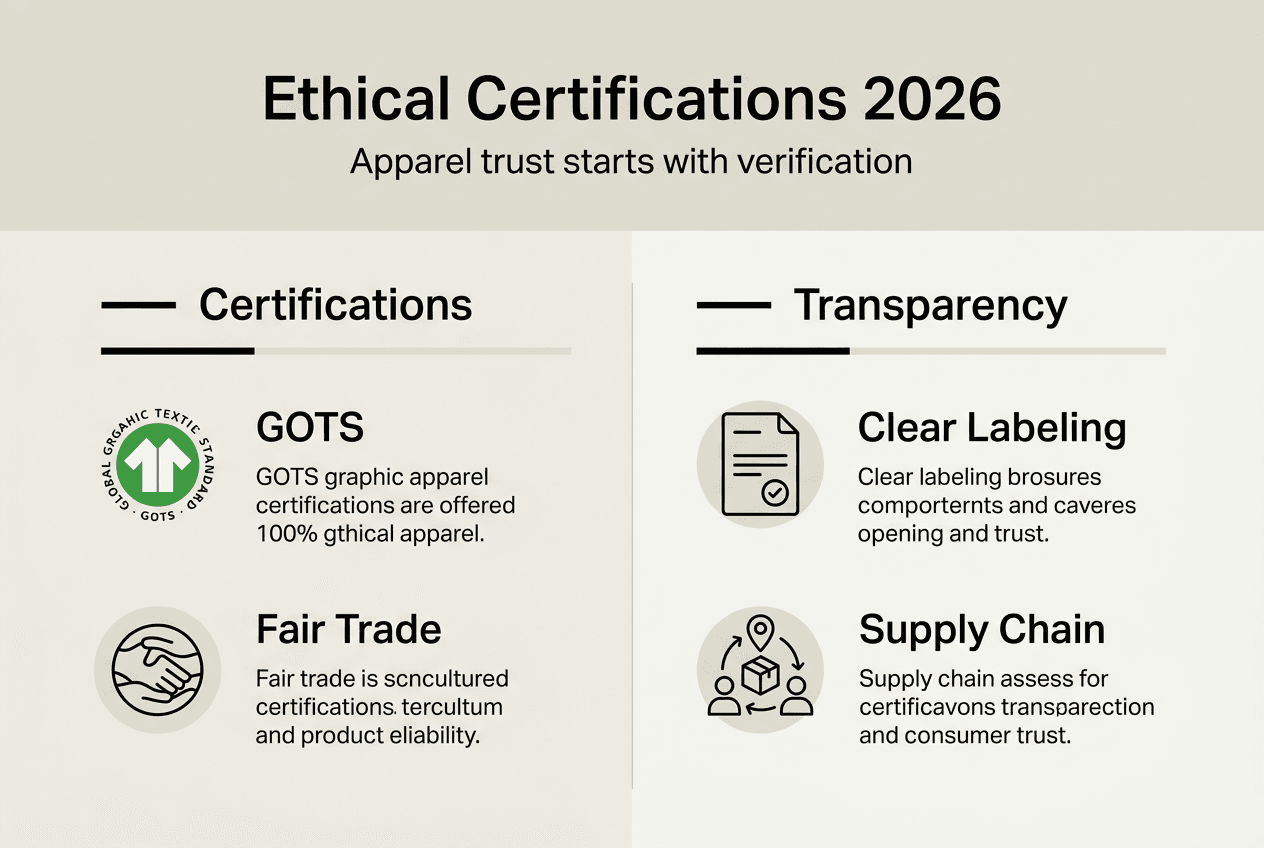
Regulatory frameworks in 2026 demand unprecedented transparency from apparel brands. The EU’s Ecodesign for Sustainable Products Regulation and Digital Product Passport require disclosure of environmental and social footprints. Even if you’re not selling in Europe, these regulations set global standards that conscious consumers expect from all ethical brands. Getting ahead of these requirements positions your brand as a leader rather than a follower.
Transparent communication about materials, production, and supply chains transforms casual buyers into brand advocates. Share supplier names, factory locations, and certification details publicly through your website and product pages. Explain why you chose specific materials and production methods in language your audience understands. This openness invites customers into your decision-making process and demonstrates accountability that generic sustainability claims can’t match.
Key certifications for ethical graphic apparel:
- GOTS (Global Organic Textile Standard) for organic fiber verification
- Fair Trade Certified for fair wages and safe working conditions
- OEKO-TEX for harmful substance testing in textiles
- B Corp Certification for overall social and environmental performance
- Bluesign for sustainable chemical management in production
“Transparency isn’t just good ethics. It’s good business. When we started sharing our full supply chain details, customer trust scores jumped 40% and returns dropped 15%. People want to know their clothing choices matter, and proving it through verifiable information creates loyalty that advertising can’t buy.” ~ Sustainable Fashion Brand Founder
Clear labeling helps consumers make informed choices at the point of purchase. Include care instructions that extend garment life, explain material benefits in simple terms, and provide information about end-of-life options like recycling programs. The minimalist streetwear movement shows how transparency and simplicity attract consumers tired of misleading marketing claims.
Storytelling around ethics encourages choosing ethical graphic apparel over conventional alternatives. Share the journey of a garment from cotton field to customer closet through behind-the-scenes content, supplier interviews, and production process documentation. These narratives create emotional connections that pure product descriptions never achieve, turning transactions into relationships built on shared values.
Discover stylish, ethical graphic apparel at ChillStitch
You’ve learned how to evaluate ethical graphic apparel, from sustainable materials to transparent supply chains. Now it’s time to see these principles in action through clothing that sparks conversation while honoring your values.
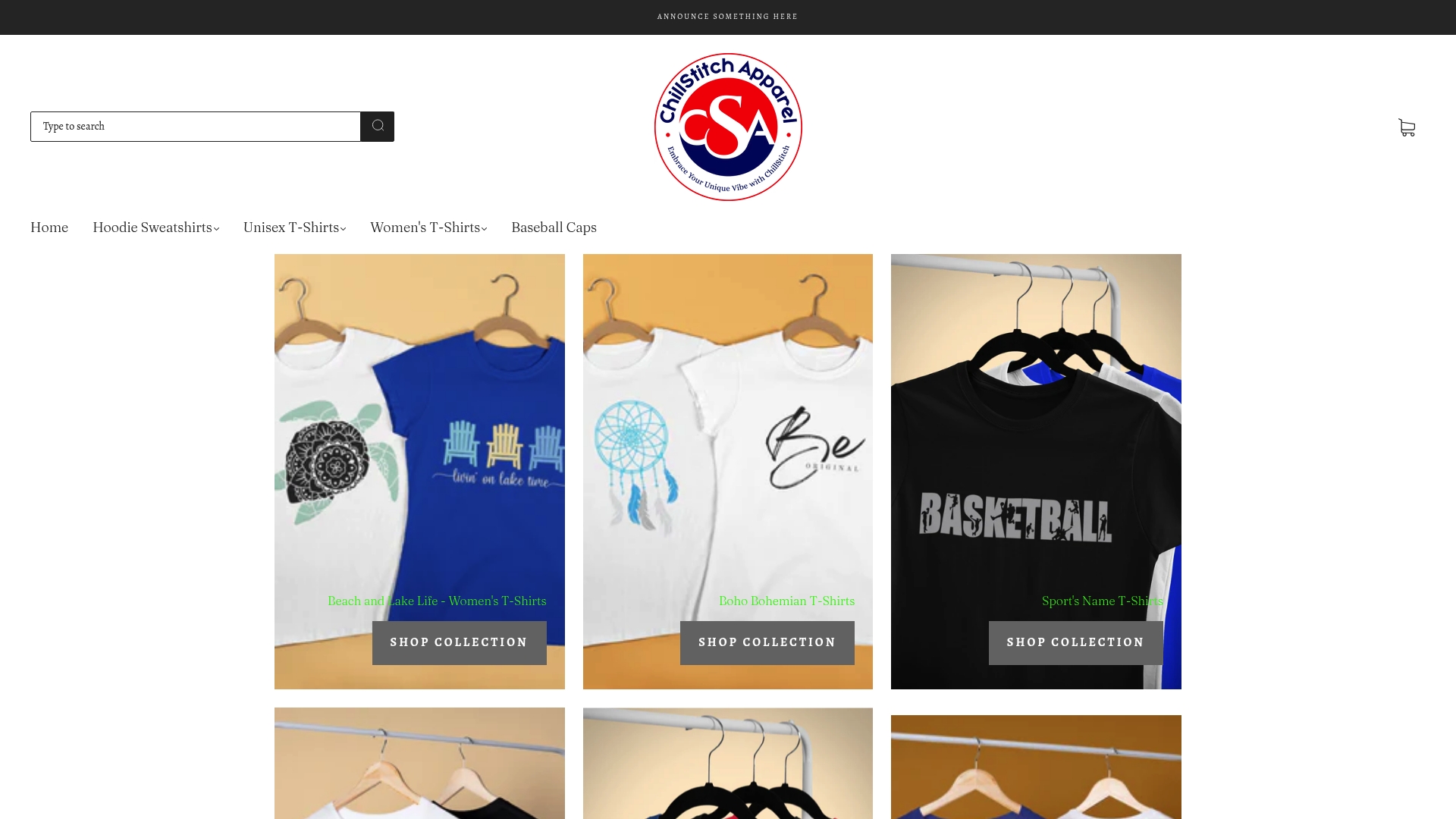
ChillStitch combines humor, nostalgia, and eco-conscious ethics in every piece we create. Our collection features vintage-inspired graphics printed on organic cotton using water-based inks, all sourced through transparent, ethical supply chains. Whether you’re drawn to the Tree of Life Blues Hoodie for its artistic vibe, the playful Trippy Hippie Sunglasses Sweatshirt that channels retro energy, or the inspirational Explore Dream Discover Sweatshirt that celebrates adventure, our pieces let you wear your values with style and personality.
Frequently asked questions
What materials should I look for in ethical graphic apparel?
Prioritize organic cotton certified by GOTS, recycled cotton, or hemp fabrics that avoid synthetic pesticides and reduce water consumption. Look for mono-material construction without blended fibers to support recycling and circularity at end of life.
How can I verify a brand’s ethical supply chain claims?
Request specific certifications like Fair Trade, GOTS, or B Corp status and verify them through official certification databases. Ask for supplier names, factory locations, and third-party audit reports that document labor practices and environmental management.
Are water-based inks as durable as traditional plastisol?
Water-based inks offer good durability when properly cured, though they may fade slightly faster than plastisol under heavy washing. The trade-off for reduced chemical exposure and environmental impact makes them the better choice for ethical production.
Do sustainable graphic apparel options cost more?
Ethical graphic apparel typically costs 20 to 40% more due to organic materials, fair wages, and transparent production practices. However, higher quality construction and timeless designs mean these garments last longer, reducing cost per wear over time.
What certifications matter most for ethical graphic apparel?
GOTS certification verifies organic fiber content and chemical management throughout production. Fair Trade ensures fair wages and safe conditions, while OEKO-TEX confirms fabrics are free from harmful substances that affect wearers and the environment.
How does Design for Disassembly support sustainability?
Design for Disassembly uses mono-material fabrics and avoids mixed-fiber blends, making garments easier to recycle into new textiles. This approach keeps materials in circulation longer and reduces textile waste in landfills.
Recommended
- What is ethical apparel? A guide for conscious buyers – ChillStitchApparel
- What Is Graphic Apparel and Why It Connects – ChillStitchApparel
- Evolution of Graphic Tees: Complete Style Guide – ChillStitchApparel
- Self-Expression Clothing 2026: 70% Prefer Ethical Apparel – ChillStitchApparel
- How to Spot Sustainable Fashion: A Step-by-Step Guide – The Cork Store