

Pop culture clothing is often dismissed as fleeting fashion, but it represents something far more enduring. This apparel captures nostalgia, humor, and identity in ways that resonate across generations. From vintage band tees to meme-inspired hoodies, these pieces serve as wearable conversation starters and personal statements. Understanding what truly defines pop culture clothing helps you navigate trends while expressing authentic style. This guide explores core definitions, evolution, and practical strategies to embrace this dynamic fashion movement confidently.
Table of Contents
- What Is Pop Culture Clothing? Defining The Style And Its Appeal
- How Pop Culture Clothing Trends Evolve: Celebrity Influence And Social Media
- Navigating Legal, Cultural, And Sustainability Challenges In Pop Culture Apparel
- Pop Culture Clothing As Identity: The Lasting Appeal Beyond Trends
- Explore Unique Pop Culture Apparel At Chill Stitch
- What Defines Pop Culture Clothing? Frequently Asked Questions
Key takeaways
| Point | Details |
|---|---|
| Core definition | Pop culture clothing centers on graphic apparel featuring movies, music, memes, and cultural icons that express personal identity. |
| Trend drivers | Celebrity endorsements influence 60% of consumer choices while social media accelerates viral adoption of styles. |
| Ethical considerations | Sustainability and originality matter to avoid copyright infringement, cultural appropriation, and environmental harm. |
| Lasting appeal | Pop culture apparel functions as identity statements with multi-decade relevance beyond temporary trend cycles. |
What is pop culture clothing? Defining the style and its appeal
Pop culture clothing is primarily defined by graphic tees and apparel featuring references to movies, TV shows, music, memes, and celebrities, serving as wearable expressions of nostalgia, humor, and personal identity. These garments transform cultural moments into fashion statements that spark recognition and connection. A hoodie featuring a classic film quote or a tee referencing a viral internet moment does more than cover your body. It broadcasts your interests and invites others into shared experiences.
The appeal runs deeper than surface aesthetics. Fashion-conscious individuals gravitate toward pop culture clothing because it offers a shortcut to self-expression without requiring extensive explanation. When you wear a graphic referencing a beloved 90s cartoon, you signal membership in a community of fans who share that nostalgia. The clothing becomes a conversation catalyst, bridging strangers through mutual recognition.
Common forms include:
- Graphic tees featuring movie posters, band logos, or iconic quotes
- Hoodies with retro imagery or contemporary meme references
- Sweatshirts showcasing vintage sports aesthetics or throwback designs
- Accessories like caps and bags incorporating pop culture symbols
Exploring types of graphic tees pop culture fans wear reveals the breadth of this category. From minimalist nods to bold statement pieces, the spectrum accommodates diverse tastes. What unites these items is their function as identity markers rather than mere clothing.
“Pop culture apparel transforms passive consumption into active participation, allowing wearers to declare allegiances and spark dialogue through visual references.”
This style transcends temporary fads because it taps into enduring human desires for belonging and recognition. A well-chosen piece reflects genuine interests rather than chasing whatever currently trends. The difference between authentic pop culture clothing and disposable fast fashion lies in this intentionality. When your wardrobe choices reflect real connections to cultural touchstones, they maintain relevance regardless of shifting trends.
How pop culture clothing trends evolve: celebrity influence and social media
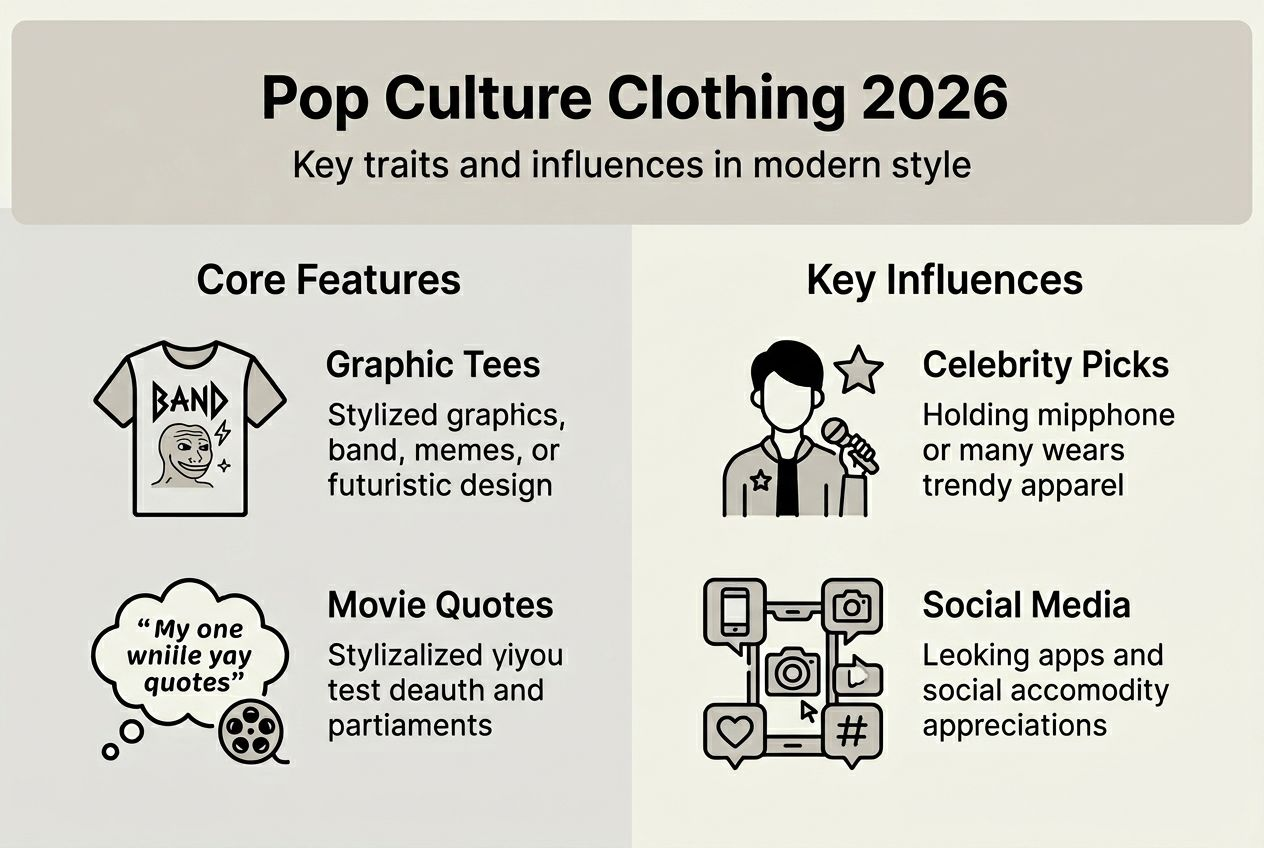
Celebrity endorsements influence 60% of consumer choices in fashion decisions, making stars powerful catalysts for pop culture clothing trends. When a musician wears a vintage band tee on stage or an actor sports a retro hoodie in paparazzi photos, millions of fans take notice. This visibility creates immediate demand for similar styles, transforming niche aesthetics into mainstream movements overnight.
Social media amplifies this effect exponentially. Platforms like Instagram and TikTok enable trends to spread globally within hours rather than months. A single viral post featuring unique graphic apparel can generate thousands of recreation attempts and purchase inquiries. This acceleration fundamentally changed how pop culture clothing evolves compared to pre-digital eras.
Print-on-demand technology enables brands to respond to these rapid shifts with unprecedented agility. The production process works as follows:
- Cultural moment emerges (new movie release, viral meme, celebrity appearance)
- Designers create inspired graphics within days
- Print-on-demand systems produce items only after orders arrive
- Consumers receive trendy pieces while relevance remains high
- No excess inventory waste occurs from overproduction
This model contrasts sharply with traditional fashion manufacturing that requires months of lead time. Understanding the evolution of graphic tees guide shows how technology transformed what was once a slow-moving category into a dynamic, responsive market.
Historically, pop culture clothing evolved from military surplus prints in the 1950s through counterculture movements of the 1960s and 70s. Screen printing advancements in the 1980s democratized custom apparel production, enabling smaller brands to compete with major manufacturers. Each technological leap expanded creative possibilities and accessibility.
“The convergence of celebrity influence, social media virality, and agile production creates a feedback loop where cultural moments instantly become wearable fashion statements.”
Today’s landscape features constant innovation. Sustainable printing methods, improved fabric quality, and sophisticated design software raise production standards while maintaining quick turnaround times. This evolution means you can access higher quality pop culture clothing that reflects current moments without sacrificing craftsmanship or ethics.
The key distinction lies in understanding which trends deserve your attention versus which represent fleeting noise. Celebrity-driven movements with genuine cultural resonance tend to have staying power, while manufactured hype often fades quickly. Observing which styles persist across multiple seasons versus those that disappear after weeks helps identify worthy investments.
Navigating legal, cultural, and sustainability challenges in pop culture apparel
Copyright infringement represents a serious concern when purchasing pop culture clothing. Avoiding direct copyright requires using inspired aesthetics rather than exact reproductions of protected imagery. Legitimate brands create original designs that evoke cultural references without copying trademarked logos or copyrighted artwork. This distinction protects both creators and consumers from legal complications.
Recognizing inspired versus copied designs requires attention to detail:
- Inspired designs reference themes, color palettes, or general aesthetics without reproducing specific protected elements
- Copied designs directly replicate logos, character likenesses, or trademarked phrases
- Parody designs may receive legal protection if they transform original works sufficiently
- Licensed merchandise pays rights holders for official use of protected properties
Cultural appropriation poses another significant challenge. Wearing clothing that trivializes or misrepresents cultural symbols, religious imagery, or traditional designs from marginalized communities causes harm regardless of intent. Respecting source cultures means researching the significance of symbols before incorporating them into your wardrobe. When designs draw from specific cultural traditions, ensure creators from those communities receive credit and compensation.
Sustainability concerns differentiate responsible pop culture clothing from exploitative fast fashion. Traditional manufacturing creates massive environmental damage through water pollution, textile waste, and carbon emissions. Fast fashion’s model of producing cheap, disposable items exacerbates these problems by encouraging overconsumption and rapid disposal.
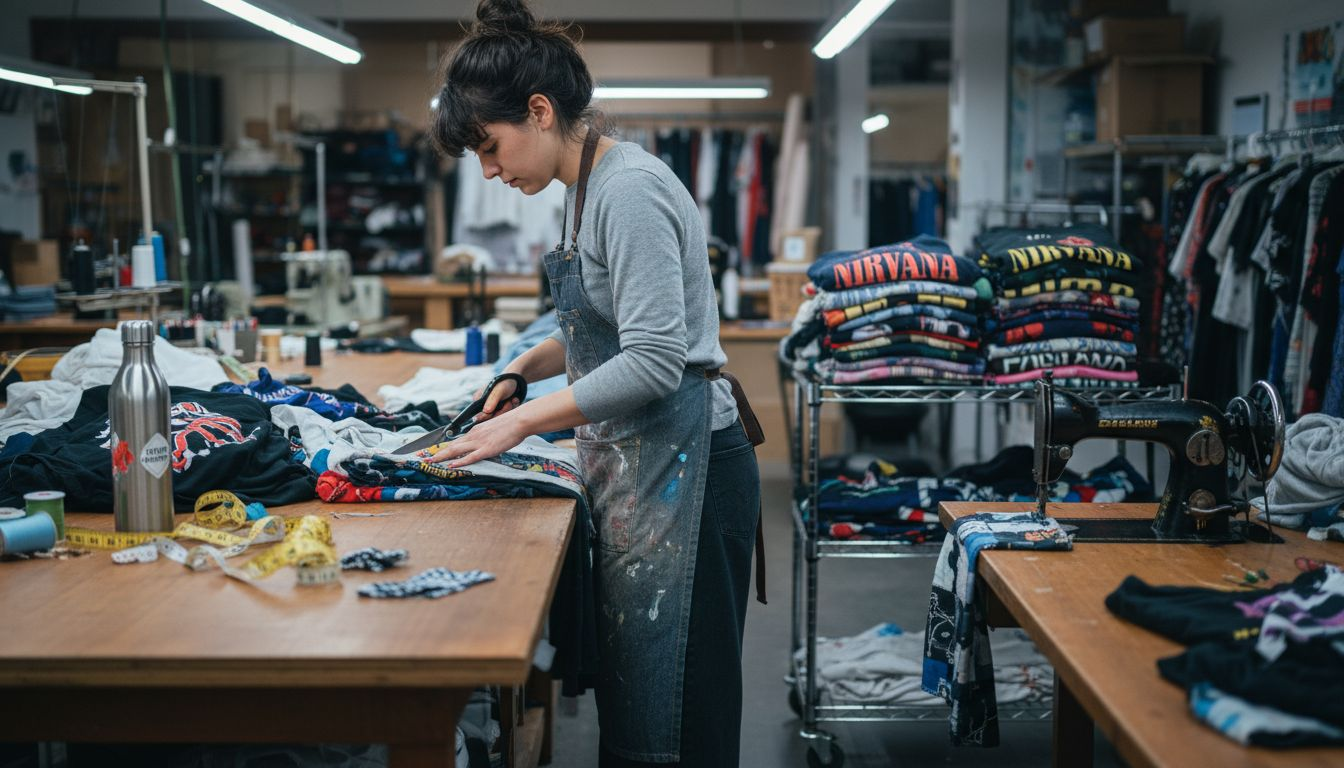
Print-on-demand and upcycled options offer more sustainable alternatives. These approaches minimize waste by producing only what customers actually order or repurposing existing materials. Choosing brands that prioritize ethical sourcing, quality construction, and transparent supply chains aligns your fashion choices with environmental responsibility.
Pro Tip: Research a brand’s production methods before purchasing. Look for specifics about fabric sourcing, printing techniques, and labor practices rather than vague sustainability claims.
Exploring the role of graphic tees guide reveals how thoughtful production practices enhance rather than compromise style. Quality materials and construction mean garments last longer, reducing the need for frequent replacements. This longevity proves more sustainable than buying multiple cheap items that deteriorate quickly.
Balancing trendiness with ethical responsibility requires intentionality. You can embrace pop culture clothing while making choices that respect intellectual property, honor cultural origins, and minimize environmental impact. This awareness transforms casual fashion consumption into conscious curation. The goal isn’t perfection but rather continuous improvement in how you approach style decisions.
Wearing pop culture apparel confidently means understanding these nuances and choosing pieces that align with your values. When your clothing reflects both personal interests and ethical considerations, it becomes a more authentic expression of identity.
Pop culture clothing as identity: the lasting appeal beyond trends
Public perception of pop culture clothing divides sharply between those who view it as superficial trend-chasing and experts who recognize it as meaningful identity expression. Mainstream audiences often see it as trend-chasing while experts view it as identity statements with longevity, particularly evident in band tees that remain relevant across decades. This disconnect reveals fundamental misunderstandings about how cultural references function in personal style.
Band tees exemplify this enduring relevance perfectly. A Ramones tee worn in 2026 carries the same cultural weight it held in 1980, signaling punk aesthetic appreciation and musical taste regardless of when the wearer discovered the band. These garments transcend their original context to become timeless symbols of specific subcultures and values. Fans wear them not to chase trends but to declare authentic affiliations.
| Perspective | View of Pop Culture Clothing | Longevity Assessment |
|---|---|---|
| Mainstream consumer | Temporary fashion trend driven by hype cycles | Relevant only while currently popular |
| Fashion expert | Identity statement reflecting genuine interests | Multi-decade relevance when authentically chosen |
| Cultural analyst | Wearable cultural participation and community signaling | Endures as long as referenced culture remains meaningful |
This comparison illustrates why dismissing pop culture clothing as frivolous misses its deeper function. The apparel enables personal storytelling without requiring verbal explanation. Your graphic hoodie communicating affection for a cult film instantly connects you with fellow fans while distinguishing you from those unfamiliar with the reference.
Connection with communities represents another crucial aspect of lasting appeal. Wearing recognizable pop culture references creates opportunities for spontaneous interactions with strangers who share your interests. These micro-moments of recognition build social bonds and reinforce group identity. The clothing functions as a visible invitation to connection.
Examining vintage graphic tees inspire modern designs shows how classic styles maintain influence across generations. Retro aesthetics from the 70s, 80s, and 90s continuously resurface because they represent distinct cultural moments with enduring visual appeal. New audiences discover these references while original fans maintain loyalty to familiar imagery.
Pro Tip: Choose pop culture clothing that reflects genuine personal interests rather than whatever currently trends on social media. Authentic connections to referenced content ensure your pieces remain meaningful regardless of shifting fashion cycles.
The distinction between trend-chasing and identity expression ultimately comes down to intentionality. Buying a graphic tee because everyone else wears similar styles represents superficial consumption. Selecting pieces that genuinely resonate with your interests, humor, and values transforms clothing into authentic self-expression. This approach builds a wardrobe with lasting personal significance rather than a collection of disposable trend items.
Pop culture apparel’s staying power derives from its ability to capture and communicate complex cultural affiliations through simple visual language. When chosen thoughtfully, these garments become permanent fixtures in personal style rather than temporary experiments. They evolve with you while maintaining connections to formative cultural experiences and ongoing interests.
Explore unique pop culture apparel at Chill Stitch
Now that you understand what defines authentic pop culture clothing, discovering pieces that embody these principles becomes the next step. Chill Stitch creates apparel at the intersection of nostalgia, humor, and genuine self-expression. Our designs draw from vintage aesthetics, classic film moments, and contemporary wit without copying protected imagery or chasing manufactured trends.
Each piece reflects the values discussed throughout this guide. We prioritize inspired originality over direct reproduction, ensuring you wear clothing that respects intellectual property while making bold statements. Our retro sunset rays hoodie sweatshirt exemplifies this approach with vintage-inspired graphics that evoke specific aesthetics without copying specific sources. Ethically sourced fabrics and quality construction mean your purchases last beyond temporary trend cycles. Explore our collection to find apparel that truly represents your identity and sparks the conversations you want to have.
What defines pop culture clothing? Frequently asked questions
What kinds of graphics are typical in pop culture clothing?
Typical graphics include movie quotes and imagery, band logos, vintage sports aesthetics, meme references, and retro cartoon characters. These designs reference recognizable cultural moments that resonate with specific audiences. The most effective graphics balance immediate recognition with creative interpretation rather than exact reproduction.
How can I avoid copyright issues when buying pop culture apparel?
Purchase from brands that create inspired designs rather than direct copies of trademarked logos or copyrighted characters. Look for original artwork that evokes cultural references through aesthetic choices, color schemes, or thematic elements without reproducing protected imagery. Licensed merchandise represents another safe option when you want official representations of specific properties.
Why do celebrity endorsements impact pop culture fashion so much?
Celebrities function as aspirational figures whose style choices influence millions of followers seeking to emulate their aesthetic. When stars wear specific items, they provide social proof that validates those choices for fans. The 60% consumer influence rate reflects how celebrity visibility translates directly into purchasing decisions and trend adoption.
What makes a graphic tee a good conversation starter?
Effective conversation starters feature recognizable references that aren’t universally known, creating opportunities for in-group recognition. The design should be clear enough for fans to identify immediately while obscure enough to feel like a discovery. This balance invites comments from fellow enthusiasts while distinguishing you from casual observers.
How has pop culture clothing evolved over time?
Pop culture clothing evolved from military surplus prints in the 1950s through counterculture movements, advancing significantly with screen printing technology in the 1980s. Digital design tools and print-on-demand systems in recent decades enabled rapid response to cultural moments. Each technological advancement expanded creative possibilities while making custom apparel more accessible to independent creators and consumers.
Is pop culture clothing just a temporary trend?
While specific references may fade, pop culture clothing as a category represents an enduring approach to self-expression rather than a temporary trend. Band tees and vintage graphics maintain relevance across decades when they reflect genuine interests. The key lies in choosing pieces with personal meaning rather than chasing whatever currently trends on social media.