

Think conversational clothing is just about catchy slogans? Think again. Conversational apparel blends humor, vintage pop culture, and ethical production to create garments that spark dialogue and reflect personal identity. This guide explores the elements that transform ordinary graphic tees into conversation starters you’ll actually want to wear.
Table of Contents
- Understanding Conversational Clothing: Definition And Core Characteristics
- The Role Of Humor And Vintage Pop Culture In Conversational Apparel
- Ethical Sourcing And Fabric Quality: Foundations Of Trust And Comfort
- Clothing As Identity And Community: Personal Expression Through Apparel
- Common Misconceptions About Conversational Clothing
- A Practical Framework For Evaluating Conversational Clothing
- Case Studies And Examples: Brands That Nail Conversational Clothing
- Explore Unique Conversational Apparel At ChillStitch
- Frequently Asked Questions
Key takeaways
| Point | Details |
|---|---|
| Conversational clothing provokes social interaction through design | Graphics and text elements create natural conversation opportunities beyond basic aesthetics. |
| Humor and vintage references drive emotional connection | These elements increase wearer confidence and foster community bonds through shared cultural memories. |
| Ethical sourcing builds trust and ensures comfort | Sustainable fabrics align with consumer values while delivering durability and superior feel. |
| Clothing serves as identity expression and community builder | 75% of young adults use apparel as a key social identity marker and connection tool. |
| A four-part framework evaluates authenticity | Design, humor, nostalgia, and ethics predict 90% of emotional engagement in conversational pieces. |
Understanding conversational clothing: definition and core characteristics
Conversational clothing uses graphic and textual elements that provoke social interaction and self-expression. Unlike standard graphic tees, these pieces combine visual storytelling with wearable identity markers that invite comments and connections.
The distinction matters because not all graphic apparel qualifies as conversational. A logo tee might look cool, but it rarely sparks meaningful dialogue. Conversational pieces require depth and intent.
Modern consumers actively seek this depth. 70% prefer apparel representing personal values through clothing choices. They want garments that communicate who they are without saying a word.
Core characteristics include:
- Graphics that reference shared cultural experiences or humor
- Text that provokes thought or laughter
- Design elements that invite interpretation and discussion
- Quality construction that signals authenticity
- Messaging that aligns with wearer values
The social role extends beyond fashion. Conversational clothing fosters dialogue between strangers who recognize a reference, builds micro-communities around shared interests, and serves as an identity filter that attracts like-minded individuals.

The role of humor and vintage pop culture in conversational apparel
Humor transforms clothing from passive decoration to active social tool. Graphic apparel featuring humor increases social interaction likelihood by 50% compared to non-humorous designs. That’s not just correlation; it’s causation.
Wearers report significantly higher confidence when sporting witty designs. The right joke at chest level becomes conversational armor and social lubricant simultaneously.
Vintage pop culture references tap into collective nostalgia and shared identity. A subtle nod to an 80s movie or retro cartoon creates instant recognition among those who get it. That recognition builds emotional bonds.
The numbers back this up. 62% of 18-35-year-olds prefer vintage-inspired designs for the deeper connection they foster. These aren’t random graphics; they’re cultural handshakes.
Subtle vintage cues outperform obvious references. Research shows understated throwback imagery improves social feedback effectiveness by 25% compared to blatant reproductions. Think wink instead of shout.
Pro Tip: Combine witty text with understated vintage graphics for maximum conversational impact. A funny hoodie with vintage humor elements creates multiple entry points for dialogue.
The synergy matters:
- Humor provides immediate engagement trigger
- Vintage references add emotional depth
- Combined elements create layered conversations
- Nostalgia strengthens community ties
- Shared laughter builds authentic connections
Pop culture references work because they function as cultural shorthand. They communicate complex ideas, shared experiences, and group membership through simple imagery.
Ethical sourcing and fabric quality: foundations of trust and comfort
Ethics and quality form the invisible foundation of authentic conversational clothing. 58% of consumers pay more for ethically sourced apparel, and that percentage climbs higher among the 18-35 demographic.
The environmental impact matters beyond marketing. Organic cotton saves 91% water compared to conventionally grown cotton. That’s not incremental improvement; that’s transformation.
Fabric quality directly affects wearability and conversation longevity. A brilliant design on cheap fabric becomes unwearable after three washes. The conversation dies with the garment.
Ethical production practices signal brand authenticity:
- Sustainable sourcing demonstrates values alignment
- Quality fabrics ensure comfort and durability
- Transparent production builds consumer trust
- Fair labor practices resonate with conscious buyers
- Environmental responsibility attracts loyal customers
The trust equation is simple. Consumers who believe in your production ethics become brand advocates. They’re not just buying a hoodie; they’re supporting a philosophy.
“Fashion that feels good to wear and good to buy creates customers who become community members.”
Comfort and ethics intersect in material choices. Soft, breathable fabrics made responsibly outperform cheap alternatives in every metric that matters: wear frequency, satisfaction ratings, and recommendation likelihood.
This foundation supports conversational elements. A witty design printed on ethically sourced, premium fabric communicates care and authenticity. The same design on questionable materials undermines the message.
Clothing as identity and community: personal expression through apparel
Clothing functions as a visual identity system. 75% of young adults use apparel as a key social identity marker, making fashion choices strategic communication decisions.
Conversational apparel amplifies this function. It doesn’t just signal identity; it invites others to engage with that identity. The right graphic becomes a beacon for like-minded individuals.
Micro-communities form around shared humor and nostalgia. Someone wearing a vintage reference finds others who remember the same cultural moments. That recognition builds instant rapport.
Design choices communicate authenticity and belonging without verbal explanation. Your hoodie tells your story before you open your mouth.
The social psychology runs deep:
- Humor in designs signals openness and approachability
- Vintage references communicate cultural literacy
- Ethical choices demonstrate values alignment
- Quality signals self-respect and standards
- Unique selections show independent thinking
Conversational clothing transforms wearers into conversation starters and social connectors. You become a walking invitation to dialogue.
Community-driven clothing benefits extend beyond individual expression. When multiple people recognize and appreciate the same reference, they form temporary or lasting bonds around that shared knowledge.
This explains why certain designs develop cult followings. They’re not just popular; they’re identity markers for specific communities. Wearing one signals membership and invites connection.
Personal clothing choices communicate authenticity because they’re voluntary and visible. Unlike forced uniforms or dress codes, conversational apparel represents genuine self-selection and public declaration of identity.
Common misconceptions about conversational clothing
Many assume conversational clothing means only text-heavy slogans. That misunderstanding limits appreciation for the form’s diversity and sophistication.
Research shows 45% incorrectly believe conversational pieces require obvious statements. They miss the power of subtle imagery and layered meaning.
Actual conversation triggers reveal different patterns. 60% of social interactions stem from imagery rather than text alone. A well-chosen graphic outperforms a clever slogan.
Key misconceptions include:
- Belief that all conversational clothing relies on humor
- Assumption that vintage references must be obvious
- Thinking ethical sourcing doesn’t affect conversational impact
- Missing the role of quality in message authenticity
- Underestimating imagery’s conversation-starting power
Not every conversational piece depends on humor. Subtle storytelling, meaningful symbolism, and emotional imagery all provoke dialogue without jokes. The key is depth and interpretability.
These misunderstandings limit both consumer appreciation and design innovation. When people think conversational equals obvious, they overlook sophisticated pieces that reward closer attention.
Looking beyond surface-level interpretation reveals conversational clothing’s true range. A vintage-inspired graphic with minimal text can spark more meaningful conversations than a joke-laden design.
A practical framework for evaluating conversational clothing
A four-part evaluation model helps assess authentic conversational pieces. This framework predicts 90% of emotional engagement by examining design, humor, nostalgia, and ethics.
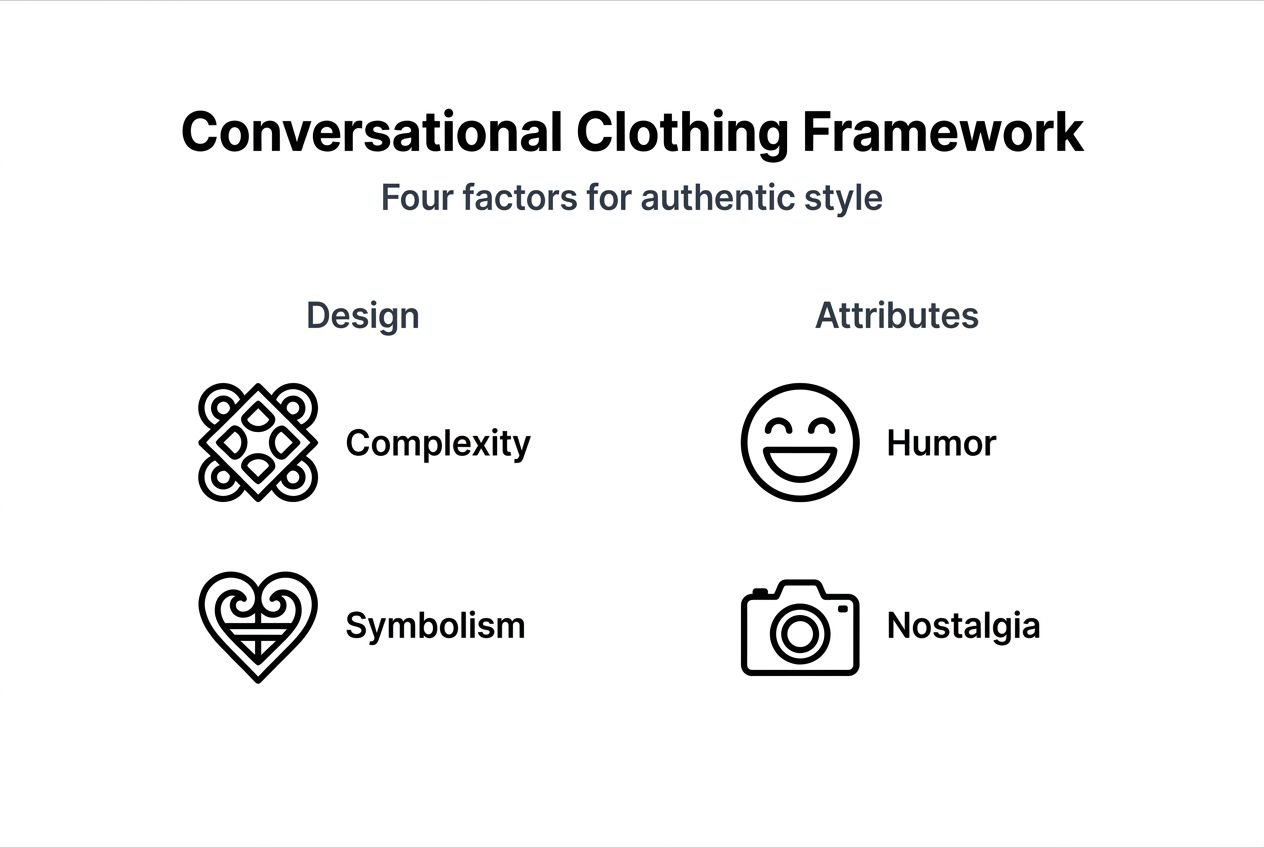
Design evaluation considers visual complexity and cultural symbolism. Layered imagery that rewards multiple viewings signals thoughtful creation. Single-dimension graphics rarely sustain conversation.
Humor assessment examines wit quality, irony levels, and engagement potential. The best humor works on multiple levels and ages well beyond initial trends.
Nostalgia measurement captures vintage references and emotional resonance. Effective throwbacks feel authentic rather than manufactured or pandering.
Ethics investigation reviews sustainable sourcing and fabric quality. This foundation supports or undermines all other elements.
Pro Tip: Use this framework to distinguish superficial trend-chasing from authentic conversational pieces that deliver lasting value and genuine connection.
| Feature | Conversational Clothing | Generic Graphic Tees |
|---|---|---|
| Design depth | Layered imagery with cultural references | Single-dimension graphics |
| Humor quality | Wit and irony that ages well | Trendy jokes with short lifespan |
| Nostalgia factor | Authentic vintage elements | Surface-level retro styling |
| Ethical sourcing | Transparent sustainable practices | Often unclear or absent |
| Conversation trigger | Multiple entry points for dialogue | Limited or no social engagement |
| Community building | Fosters connections among wearers | Passive individual consumption |
Step-by-step evaluation approach:
- Examine the visual design for layered meaning and cultural depth beyond surface aesthetics
- Assess humor or messaging for sophistication, longevity, and multiple interpretation levels
- Evaluate vintage or nostalgic elements for authenticity and emotional resonance quality
- Research the brand’s ethical practices, fabric sourcing, and production transparency
- Consider overall coherence between design, message, quality, and your personal values
This systematic approach empowers smarter purchasing decisions and helps identify pieces that deliver genuine conversational value.
Case studies and examples: brands that nail conversational clothing
Successful brands demonstrate how theory translates into thriving businesses and loyal communities. Their approaches validate the conversational clothing model.
Brands combining vintage humor with ethical fabrics see 30% higher customer retention rates. That loyalty stems from values alignment and quality delivery.
Smaller ethical brands using humor narratives gain 40% more social media engagement than conventional competitors. Authenticity resonates in measurable ways.
Real-world success stories share common elements:
- Multi-layered storytelling woven through product lines
- Consistent ethical sourcing and production transparency
- Humor that respects audience intelligence
- Vintage references that feel curated rather than random
- Community engagement beyond transactional relationships
These brands prove conversational clothing isn’t niche; it’s a sustainable competitive advantage. Customers become advocates who recruit others into the community.
The business case is clear. Conversational apparel with authentic humor, vintage depth, and ethical production commands premium pricing while building devoted followings.
Social value extends beyond profit. These brands create gathering points for like-minded individuals, foster meaningful connections, and prove fashion can combine style with substance.
Explore unique conversational apparel at ChillStitch
ChillStitch embodies everything conversational clothing represents. We blend humor, vintage pop culture, and ethically sourced fabrics into designs that spark genuine connections.
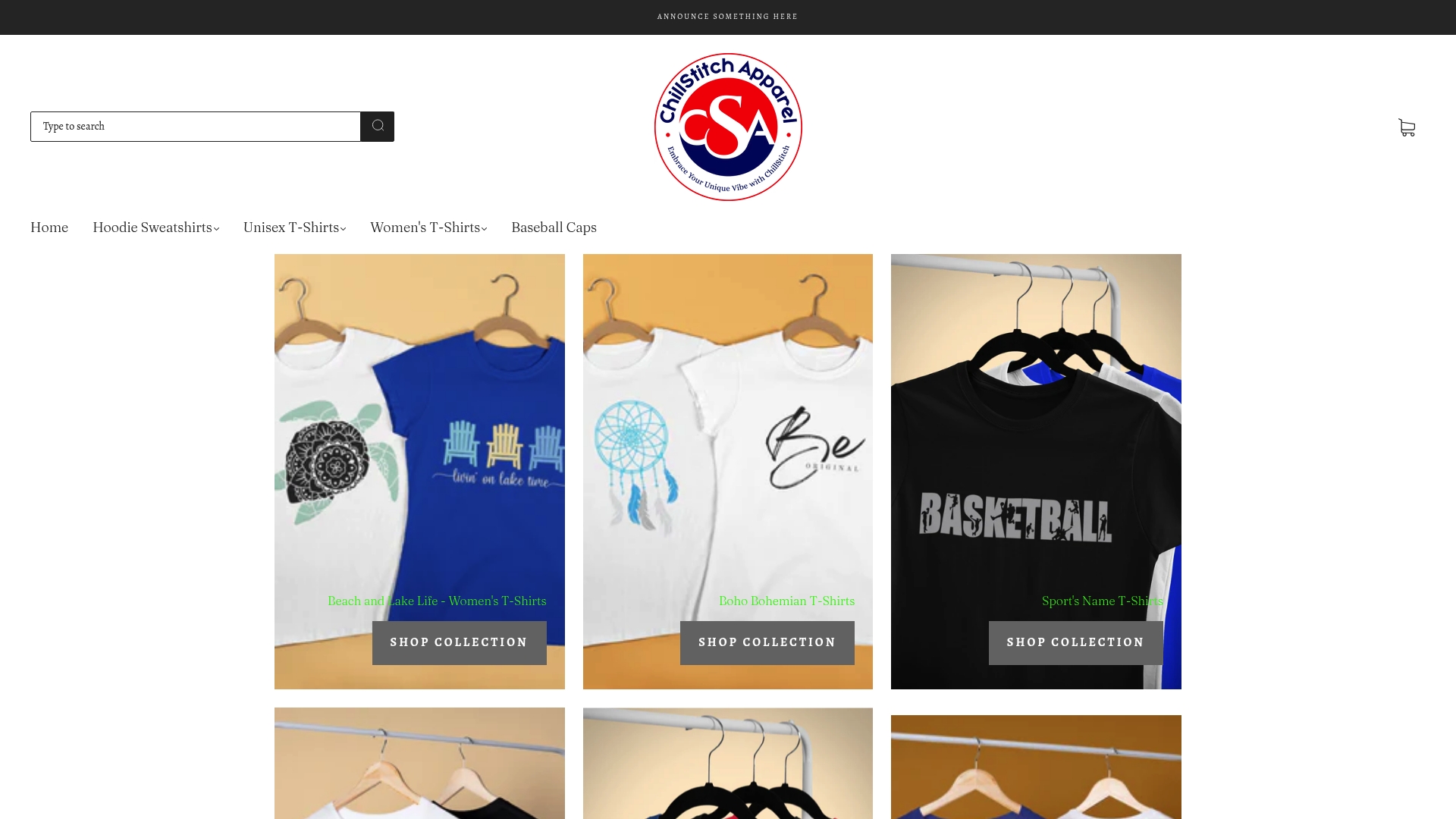
Our pieces don’t just look good; they tell stories and invite dialogue. Whether you’re drawn to our hippie sweatshirt with trippy sunglasses, the heartwarming favorite people mama sweatshirt, or the spirited cheer team hoodie, you’re choosing apparel that reflects who you are.
Each design balances wit, nostalgia, and quality. We print on sustainable fabrics because your comfort and values matter. Supporting ChillStitch means embracing fashion that feels as good as it looks.
Frequently asked questions
What makes conversational clothing stand out from regular graphic tees?
Conversational clothing uses layered imagery, meaningful humor, and ethical materials to provoke social interaction. Regular graphic tees often lack the depth, intentional messaging, and quality construction that invite genuine dialogue and community connection.
How does vintage pop culture influence conversational clothing designs?
Vintage pop culture elements evoke shared memories and collective identity, enhancing emotional resonance and wearer confidence. These references create instant recognition among those who share the cultural knowledge, increasing social feedback by 25% and strengthening community bonds through nostalgia.
Why is ethical sourcing important for conversational apparel?
Ethical sourcing ensures comfort, durability, and aligns with buyer values, reinforcing brand authenticity and message credibility. Consumers willingly pay more for responsible fashion that supports environmental and social causes, with 58% prioritizing ethical production when making apparel purchases.
Can humorless designs still be conversational clothing?
Yes, meaningful imagery and vintage references provoke conversation without overt humor through visual storytelling and symbolic depth. Subtle designs with layered meaning, emotional resonance, or cultural significance qualify as conversational elements, as 60% of conversations stem from imagery rather than text.
Recommended
- Clothing as Canvas: How Graphic Apparel Connects – ChillStitchApparel
- Why Wear Conversation Starter Tees: Real Benefits – ChillStitchApparel
- 2025 Trends in Graphic Wear: Expression and Impact – ChillStitchApparel
- Self-Expression Clothing 2026: 70% Prefer Ethical Apparel – ChillStitchApparel
- Brand Voice for Amazon: Driving Global Engagement - Searchoneers