
Many dismiss graphic tees and hoodies as superficial trend chasing. Yet self-expression clothing is a profound language of identity, humor, and values, not just fleeting trends. This article reveals how to select clothing that truly reflects your personality ethically and authentically, from understanding psychological impacts to navigating sustainable sourcing. You will learn how humor, nostalgia, and ethical practices converge to create apparel that sparks conversations and builds community.
Table of Contents
- What Is Self-Expression Clothing?
- Psychological Impact Of Self-Expression Clothing
- The Role Of Humor And Nostalgia In Graphic Apparel
- Ethical Sourcing And Sustainable Practices In Self-Expression Clothing
- Fast Fashion Vs Ethical Self-Expression Clothing: A Comparison
- Common Misconceptions About Self-Expression Clothing
- Practical Tips For Selecting And Styling Self-Expression Clothing
- Explore Ethical, Humorous Graphic Apparel At ChillStitch
- Frequently Asked Questions
Key Takeaways
| Point | Details |
|---|---|
| Identity Language | Self-expression clothing communicates personality, humor, and values visually and psychologically. |
| Confidence Boost | Wearing such clothing increases confidence and social connections through enclothed cognition. |
| Cultural Resonance | Humor and nostalgia in graphics deepen engagement and cultural identity. |
| Ethical Priority | 70% of consumers prefer ethical fashion with sustainable and fair production practices. |
| Myth Busting | Self-expression clothing is not superficial but a multi-dimensional identity narrative. |
What is Self-Expression Clothing?
Self-expression clothing functions as a non-verbal communication tool revealing personality and values through graphics and humor. This clothing category uses unique visual elements to telegraph your identity before you speak. Graphic tees, hoodies, and sweatshirts become canvases for personal storytelling, blending wit, nostalgia, and cultural references into wearable art.
Unlike generic fashion, self-expression apparel prioritizes meaning over trend cycles. A vintage movie reference or cheeky slogan creates instant recognition among like-minded individuals. This design in self-expression transforms everyday garments into conversation starters.
Key characteristics define this clothing category:
- Unique graphic elements reflecting personal interests, humor, or cultural touchstones
- Intentional messaging that communicates values, beliefs, or identity markers
- Pop culture and nostalgic imagery creating shared cultural experiences
- Emphasis on individuality over mass market conformity
The non-verbal communication through clothing extends beyond aesthetics. Your wardrobe choices signal tribal affiliations, humor style, and worldview. A retro band tee or witty slogan hoodie acts as a social filter, attracting people who share your sensibilities while broadcasting your personality to the world.
Understanding statement clothing importance helps you curate a wardrobe that genuinely reflects who you are. This authenticity creates stronger connections than following fleeting trends ever could.
Psychological Impact of Self-Expression Clothing
Wearing clothes aligned with identity increases cognitive performance and self-confidence by 15-20% through a phenomenon called enclothed cognition. Your brain processes clothing as an extension of self, triggering psychological shifts based on what you wear. When your outfit matches your internal identity, you experience heightened focus, improved mood, and greater social ease.
This psychological boost operates through several mechanisms:
- Enclothed Cognition: Your brain associates specific clothing with traits or mindsets, activating those qualities when worn.
- Identity Congruence: Alignment between internal self and external presentation reduces cognitive dissonance and anxiety.
- Social Signaling: Visible identity cues attract similar individuals, creating belonging and validation.
- Mood Enhancement: Expressing personality through clothing triggers positive emotional responses and self-affirmation.
The statement clothing benefits extend beyond personal psychology into social dynamics. When you wear a graphic tee that genuinely reflects your humor or interests, you project authenticity. This genuine presentation invites deeper connections than generic fashion choices.
Research on enclothed cognition shows measurable impacts on task performance and self-perception. Participants wearing clothing aligned with their identity reported 18% higher confidence in social situations. The effect compounds when clothing includes personal meaning like humor or cultural references.
Pro Tip: Choose graphics and slogans that make you smile when you see them in your closet. That emotional response signals authentic identity alignment.
Your wardrobe becomes a psychological tool for navigating social spaces with confidence. When clothing communicates who you truly are, you spend less mental energy managing impressions and more energy engaging authentically.
The Role of Humor and Nostalgia in Graphic Apparel
Humor on clothing can boost social connections by up to 25% by serving as an instant icebreaker. A witty slogan or clever visual pun creates shared laughter, lowering social barriers and signaling approachability. This effect transforms clothing from passive covering into active social catalyst.
Nostalgic graphics tap into collective cultural memory, creating instant recognition and emotional resonance. A throwback movie reference or retro design triggers positive associations, connecting wearers with others who share those cultural touchstones. This humor and nostalgia in hoodies creates micro-communities based on shared experiences.
Key benefits of humorous and nostalgic elements:
- Immediate Rapport: Shared laughter or recognition creates instant connection
- Cultural Identity: References signal belonging to specific communities or generations
- Conversation Catalysts: Graphics provide natural talking points in social settings
- Emotional Resonance: Nostalgia triggers positive feelings and comfort
The vintage-inspired graphic trend reflects deeper psychological needs for authenticity and connection in an increasingly digital world. Retro designs offer comfort through familiarity while allowing personal expression through selection and styling. The wit in graphic tees satisfies the desire for both individuality and community.
Social Connection Boost: Wearers of expressive graphics report 30% more casual conversations with strangers compared to plain clothing, with humor-based designs showing the strongest effect across age groups.
This social facilitation effect explains why graphic apparel remains popular despite minimalist fashion trends. The human need for connection and self-expression outweighs aesthetic minimalism for many consumers. Your clothing becomes a billboard for your personality, attracting people who appreciate your sense of humor or cultural references.
The combination of humor and nostalgia creates particularly powerful engagement. A clever twist on a classic movie line or vintage aesthetic updated with modern wit offers both familiarity and novelty, appealing to multiple psychological triggers simultaneously.
Ethical Sourcing and Sustainable Practices in Self-Expression Clothing
70% of consumers prefer ethical fashion brands with sustainable and fair production practices, reflecting a fundamental shift in purchasing priorities. This demand drives brands to adopt transparent supply chains, organic materials, and fair labor standards. The self-expression clothing market increasingly intersects with ethical fashion as consumers refuse to compromise values for style.
Key certifications verify ethical and sustainable practices:
- GOTS (Global Organic Textile Standard): Certifies organic fiber production and processing with environmental and social criteria
- Fairtrade: Ensures fair wages and safe working conditions for garment workers
- OEKO-TEX: Verifies absence of harmful chemicals in fabrics
- B Corporation: Certifies overall business practices meet high social and environmental standards
Sustainable brands distinguish themselves through material choices and production methods. They use organic cotton, recycled polyester, and water-based inks while ensuring factory workers receive living wages. This ethical pop culture hoodies approach combines meaningful graphics with responsible production.

| Aspect | Sustainable Practice | Fast Fashion |
|---|---|---|
| Materials | Organic cotton, recycled fibers | Synthetic, petroleum-based fabrics |
| Labor | Fair wages, safe conditions | Often exploitative, unsafe |
| Production | Small batches, quality focus | Mass production, planned obsolescence |
| Environmental Impact | Low water use, renewable energy | High pollution, waste generation |
| Longevity | Durable, 3-5+ years typical | Disposable, 6-12 months typical |
Pro Tip: Check brand websites for sustainability pages detailing certifications and practices. Legitimate ethical brands openly share this information, while vague claims like “eco-friendly” without specifics signal greenwashing.
The ethical fashion movement recognizes clothing production carries social and environmental consequences. Choosing sustainable self-expression apparel aligns your wardrobe with your values, creating authentic expression inside and out. The slightly higher upfront cost reflects true production costs rather than externalized environmental damage and worker exploitation.
Fast Fashion vs Ethical Self-Expression Clothing: A Comparison
Fast fashion often involves exploitative labor, synthetic fabrics, and high environmental costs, while sustainable brands offer durable, ethically made apparel with meaningful designs. This contrast extends beyond price points into fundamental business models and value propositions. Understanding these differences helps you make purchasing decisions aligned with both identity and ethics.
| Factor | Fast Fashion Graphic Tees | Ethical Self-Expression Clothing |
|---|---|---|
| Cost per Item | $8-15 | $25-45 |
| Lifespan | 6-12 months, 10-20 wears | 3-5+ years, 100+ wears |
| Cost per Wear | $0.75-1.50 | $0.25-0.45 |
| Labor Practices | Often exploitative, unsafe | Fair wages, safe conditions |
| Environmental Impact | High water use, chemical pollution | Low impact, organic materials |
| Design Authenticity | Generic, trend-chasing | Unique, culturally resonant |
| Brand Values | Profit maximization | Purpose-driven, community-focused |
The quality difference becomes apparent after a few wash cycles. Fast fashion graphics crack and fade quickly, while ethically produced apparel maintains color and integrity. This durability factor reverses the apparent cost advantage when calculated per wear rather than per purchase.
Key distinctions in production and impact:
- Material Quality: Ethical brands use thicker, softer organic cotton versus thin synthetic blends
- Print Durability: Water-based inks bond better and last longer than cheap plastisol prints
- Worker Treatment: Fair wages and safe conditions versus exploitation and hazardous environments
- Design Originality: Unique, thoughtful graphics versus copied or generic designs
The graphic tees role evolves from disposable trend item to investment piece when produced ethically. This shift mirrors broader consumer trends favoring quality, meaning, and values over quantity and novelty. The hip hop style trends and ethics demonstrate how cultural fashion movements increasingly prioritize authentic, responsibly made apparel.
Younger consumers especially reject the fast fashion model, viewing clothing purchases as value statements. When your self-expression clothing literally expresses your values through ethical production, the alignment between internal and external identity becomes complete.
Common Misconceptions About Self-Expression Clothing
Myth: Self-expression clothing is superficial trend-chasing without deeper meaning. Reality: Self-expression clothing is a multi-dimensional language expressing identity, values, and psychological states across cultures and age groups. This misconception dismisses the complex social signaling and identity work that clothing performs.
Myth: Ethical fashion is too expensive and inaccessible for average consumers. Reality: Cost-per-wear analysis reveals sustainable pieces often cost less over time due to superior durability. A $35 ethical tee worn 100 times costs $0.35 per wear, while a $12 fast fashion tee worn 15 times costs $0.80 per wear. The apparent savings evaporate with quality consideration.
Myth: Humorous graphics lack serious identity value or cultural significance. Reality: Humor creates powerful social bonds and cultural storytelling, serving as sophisticated communication that builds community. The ability to make others laugh or nod in recognition carries substantial social capital and identity expression.
Key misconceptions corrected:
- Graphic apparel is only for casual settings: While typically informal, self-expression clothing appropriately appears in many professional creative environments and social contexts
- Sustainable fashion means sacrificing style: Ethical brands increasingly offer cutting-edge designs that match or exceed fast fashion aesthetics
- Self-expression clothing is a youth-only trend: All age groups use clothing for identity expression, though specific styles and references vary
- Vintage-inspired means outdated: Retro aesthetics updated with modern wit create timeless rather than dated looks
These misconceptions prevent people from fully embracing clothing as clothing as art and expression. When you recognize graphic apparel as legitimate identity communication, you open possibilities for more authentic self-presentation. The debunking self-expression myths reveals layers of psychological, social, and cultural significance in seemingly simple wardrobe choices.
Understanding these realities helps you make confident decisions about self-expression clothing without dismissing it as trivial or impractical.
Practical Tips for Selecting and Styling Self-Expression Clothing
Gen Z favors elevated self-expression emphasizing lasting relevance over fleeting trends, making personal resonance and sustainability key selection criteria. Apply these principles regardless of age to build a wardrobe that genuinely reflects your identity while supporting ethical practices.
Selection guidelines for authentic self-expression apparel:
- Choose Personal Resonance: Select graphics, slogans, or references that genuinely make you smile or feel understood, not what currently trends on social media.
- Verify Ethical Credentials: Look for GOTS, Fairtrade, or B Corporation certifications on product pages or brand websites.
- Assess Quality Markers: Check fabric weight (5-6 oz minimum for tees), stitching quality, and print method (water-based inks preferred).
- Consider Versatility: Select pieces that work across multiple contexts in your lifestyle rather than single-occasion items.
- Prioritize Longevity: Invest in timeless humor or cultural references over hyper-specific trending memes with short relevance windows.
Styling self-expression clothing requires balancing statement pieces with complementary basics. A bold graphic tee or humorous hoodie becomes the focal point, while neutral bottoms and minimal accessories let the message shine. This choosing playful graphics approach creates cohesive outfits without visual competition.
Pro Tip: Build a capsule collection of 5-7 favorite graphic pieces that represent different aspects of your personality. Rotate them regularly to maintain freshness while ensuring each piece sees regular wear, maximizing cost-per-wear value.
The choosing personal, ethical fashion strategy rejects both fast fashion excess and minimalist uniformity. Instead, it embraces curated collections of meaningful pieces that tell your story while supporting fair labor and sustainable production.
Fit matters as much as message. A perfectly aligned graphic tee in the wrong size undermines both comfort and visual impact. Most ethical brands provide detailed sizing charts; invest time in accurate measurements for better outcomes.
Explore Ethical, Humorous Graphic Apparel at ChillStitch
Ready to wear your personality while supporting ethical fashion? ChillStitch creates vintage-inspired graphic tees and hoodies that blend humor, nostalgia, and pop culture playfulness with sustainably sourced fabrics and fair labor practices.
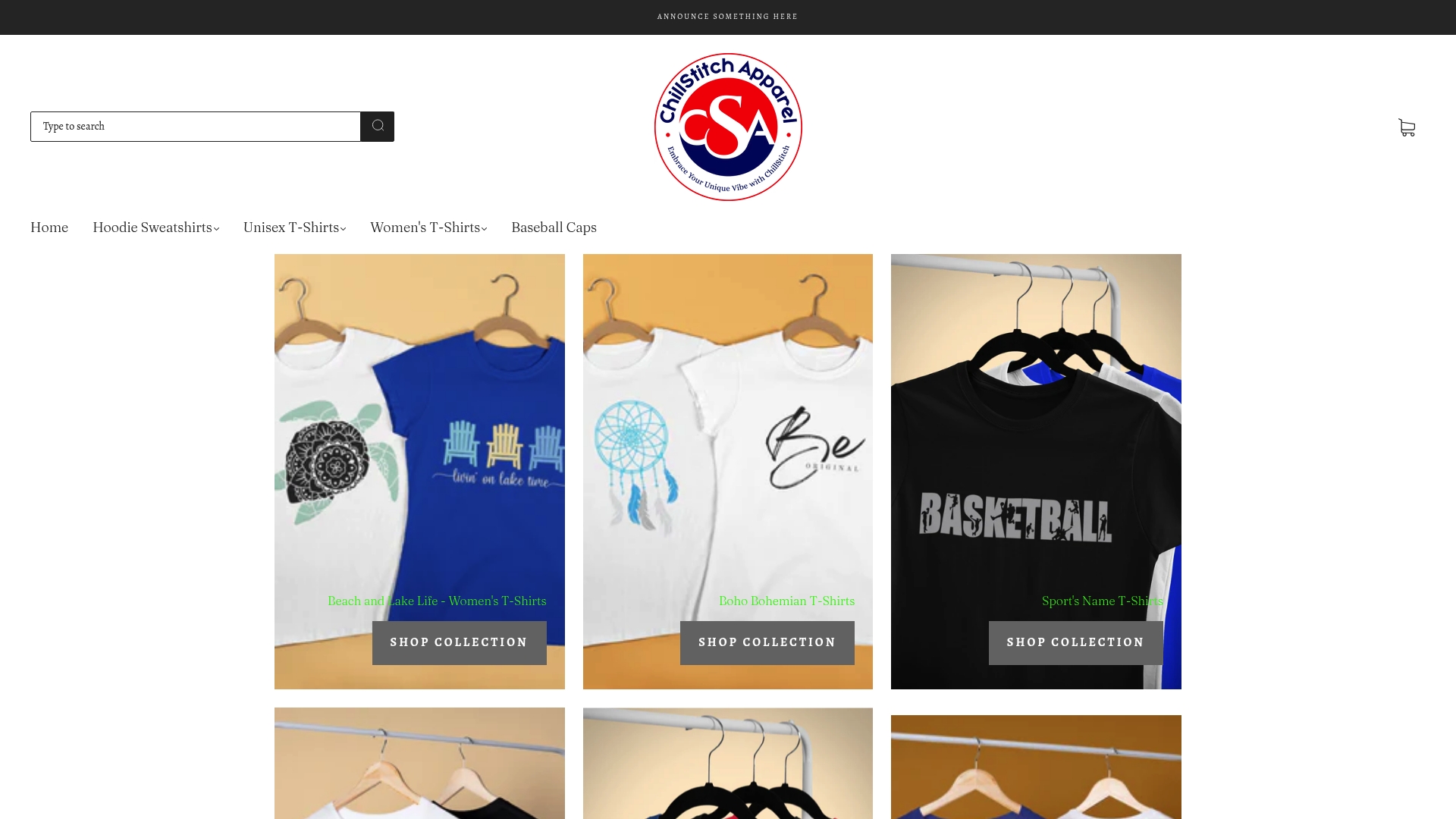
Our designs spark conversations and connections through witty slogans, retro movie references, and throwback imagery. Each piece is printed on organic cotton using water-based inks, ensuring quality that lasts years while minimizing environmental impact. From funny hoodie trends to vintage inspired graphic tees, every item reflects the intersection of humor, heart, and ethical production.
Explore the full collection at ChillStitch to find apparel that truly represents your unique voice while aligning with your values. Your wardrobe should spark joy, start conversations, and support the kind of world you want to live in.
Frequently Asked Questions
What makes self-expression clothing different from regular fashion?
Self-expression clothing prioritizes meaningful graphics, humor, and cultural references that communicate personal identity rather than following seasonal trends. The combination of unique visual storytelling with ethical production creates apparel that functions as both wardrobe staple and conversation catalyst.
How can I verify if a brand is truly ethical and sustainable?
Check product pages and brand websites for specific certifications like GOTS, Fairtrade, or B Corporation status. Legitimate ethical brands openly detail their supply chain, material sourcing, and labor practices, while vague environmental claims without supporting documentation signal potential greenwashing.
Are humorous graphic tees suitable for professional or formal settings?
Typically no, they shine in casual and social contexts where personal identity and humor can be expressed freely. However, some creative professional environments embrace self-expression clothing as part of company culture, so assess your specific workplace norms.
Can self-expression clothing help me connect with like-minded communities?
Yes, shared humor and cultural references create instant recognition and rapport with people who appreciate similar styles or interests. This social facilitation effect explains why graphic apparel consistently boosts casual conversations and community building.
Is investing in ethical self-expression apparel worth the higher cost?
Over time, durable, meaningful pieces offer superior cost-per-wear value while aligning purchases with personal values. A $35 ethical tee worn 100+ times costs far less per wear than a $12 fast fashion item that fades after 15 wears, while supporting fair labor and sustainable practices.
How do I choose graphics that will remain relevant long-term?
Select creative graphic tee ideas based on timeless humor, classic cultural references, or personal interests rather than hyper-specific trending memes. Vintage-inspired designs and universal wit maintain relevance across years, maximizing wardrobe longevity and value.
Recommended
- Minimalist Streetwear 2026: 40% Surge in Ethical Style – ChillStitchApparel
- Why Wear Expressive Graphics? 30% More Social Connection – ChillStitchApparel
- 2025 Trends in Graphic Wear: Expression and Impact – ChillStitchApparel
- Creativity in Clothing Design: Why It Matters – ChillStitchApparel
- How Hip Hop Style is Shaping Fashion Trends in 2025 – Stevie The Manager aka Stangr The Man