

Finding the perfect shirt that shouts your personality without saying a word can feel impossible for any millennial craving originality. The buzz around throwback designs is no accident, as their roots stretch from historical underground subcultures to the mainstream, powered by genuine cultural and emotional resonance. If you yearn for ethically made graphic apparel that goes beyond recycled trends, discover how authentic vintage-inspired graphics create true connections and spark spontaneous smiles among fellow fans of Americana.
Table of Contents
- Defining Throwback Designs And Their Origins
- Popular Types Of Throwback Apparel Graphics
- Key Elements That Make A Design “Throwback”
- Nostalgia’s Influence On Fashion Trends
- Common Pitfalls When Using Throwback Imagery
Key Takeaways
| Point | Details |
|---|---|
| Throwback designs blend nostalgia and modernity | These designs incorporate vintage elements with current production techniques for authentic self-expression. |
| Specificity enhances emotional connection | Authentic references to cultural moments resonate more deeply than generic trends, making the designs feel genuine. |
| Nostalgia influences consumer behavior | Leveraging nostalgia effectively allows brands to establish emotional ties, enhancing customer loyalty and engagement. |
| Execution matters for success | Thoughtful integration of nostalgic elements is crucial; avoid using retro styles without understanding their cultural significance. |
Defining Throwback Designs and Their Origins
Throwback designs are contemporary clothing featuring visual elements pulled directly from past decades, decades we either lived through or discovered through cultural osmosis. These aren’t costumes or strict historical recreations. Instead, they blend authentic vintage aesthetics with modern production techniques, creating something that feels both familiar and fresh. Think band tees from iconic 90s concerts printed today, retro baseball caps referencing forgotten films, or hoodies with graphics that scream early 2000s nostalgia. The beauty of throwback design lies in its specificity: each piece whispers a story about a particular moment in pop culture, music history, or everyday Americana that resonates with you on a personal level.
The origins of throwback designs trace back to underground subcultures that eventually went mainstream. Retro aesthetics emerged from historical underground subcultures in streetwear communities, where vintage band merchandise and retro logos became symbols of identity and cultural belonging. What started in skate parks and punk venues evolved as the internet made cultural archeology accessible to everyone. By the 2000s, nostalgia shifted from being a niche aesthetic preference to a legitimate cultural force. Millennials entering the workforce suddenly had disposable income to spend on things that reminded them of childhood, while younger Gen Z discovered decades they never lived through via social media and streaming. The cyclical nature of fashion trends reveals that nostalgia isn’t random, it’s predictable, which is why brands now deliberately craft throwback collections as part of their strategic planning.
What makes throwback designs so effective isn’t just the vintage imagery itself but rather the emotional connection wired into every design choice. When you wear a shirt featuring a cult film reference or a retro slogan, you’re not just wearing clothing—you’re broadcasting what era shaped you, what movies moved you, what humor lands for you. This explains why throwback designs resonate so deeply with folks seeking authentic self-expression over mass-produced sameness. The designs work because they tap into genuine cultural moments rather than manufactured trends. Brands that succeed in this space understand that nostalgia works best when it’s specific enough to feel real but broad enough that others get the reference.
Pro tip: When choosing throwback pieces, look for designs featuring specific cultural moments or references you genuinely connect with rather than generic “80s” or “90s” aesthetics, since authentic throwbacks spark real conversations while generic retro feels costume-like.
Popular Types of Throwback Apparel Graphics
Throwback apparel graphics fall into several distinct categories, each tapping into different pockets of nostalgia. Retro logos represent the most straightforward approach, featuring vintage brand marks, defunct company insignias, or old-school sports team emblems that folks remember from their childhood. These logos carry immediate recognition and emotional weight because you’ve seen them before, even if only in faded photographs or vintage commercials. Band merchandise graphics pull imagery from iconic concerts, album covers, or tour dates from the 70s through 2000s, allowing music fans to wear their fandom like a badge. Cultural reference graphics include movie posters, TV show stills, or famous moments from films that shaped a generation, creating instant common ground with anyone who recognizes the reference. Vintage patterns and typography draw from specific design aesthetics like bold 80s geometric shapes, groovy 70s swirls, retro diner fonts, or Y2K bubble lettering that instantly telegraph which decade inspired the piece.
What makes retro graphics evoke emotional connections is their ability to anchor personal memories to clothing. When you see a throwback design, you’re not just seeing a graphic, you’re accessing a moment in time, a feeling, or an identity you claimed back then. Sports-related throwback apparel works particularly well because fans maintain deep emotional attachments to jerseys, uniforms, and color schemes from their favorite teams and eras. Vintage character graphics pull from beloved Saturday morning cartoons, action figures, or video game sprites that defined childhood for millions. Nostalgic color schemes matter too, whether it’s the neon palette of the 90s, the earthy tones of the 70s, or the bright pastels of the 80s. These aren’t random choices, they’re psychological anchors that instantly transport you backward.
The most successful throwback graphics share a common thread: specificity paired with broad cultural familiarity. A design featuring a specific band’s 1989 tour date works better than a generic “music” graphic because it tells a story and rewards people who catch the reference. Vintage patterns that reference specific design movements feel more authentic than vague retro styling. The key is striking a balance between insider knowledge and accessibility, so the piece appeals to die-hard fans who lived through that era and younger audiences discovering it for the first time through social media, streaming, or secondhand shops. These graphics work across generations because they’re rooted in actual cultural moments rather than invented nostalgia.
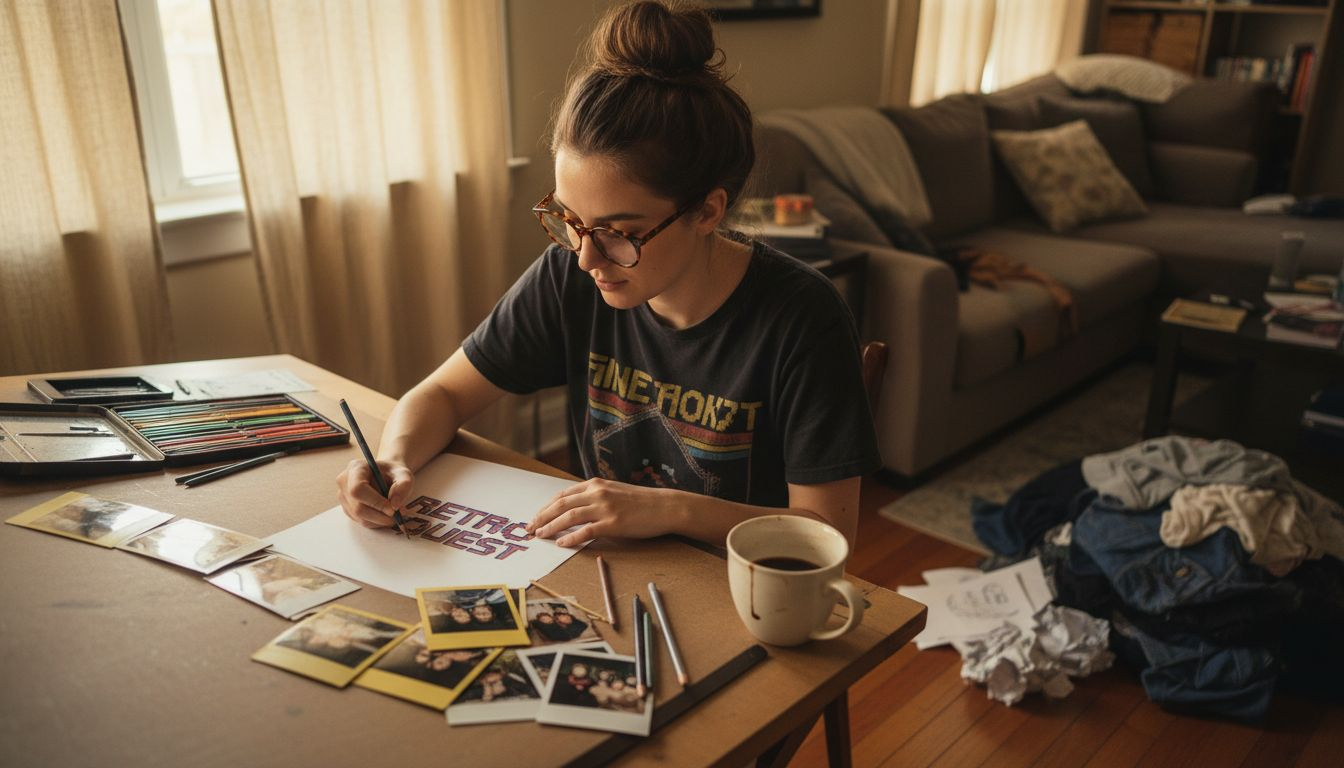
Pro tip: Look for throwback graphics tied to specific moments (like a concert date or movie release year) rather than generic era references, since dated specificity makes the design feel more authentic and sparks better conversations than vague retro aesthetics.
Here’s a quick comparison of the most common types of throwback apparel graphics and what makes each unique:
| Graphic Type | Typical Visual Cues | Emotional Resonance |
|---|---|---|
| Retro Logos | Vintage logos, old mascots | Childhood brand recognition |
| Band Merchandise | Album art, tour dates | Music fandom and shared history |
| Cultural References | Film stills, TV posters | Common pop culture memories |
| Vintage Patterns/Fonts | Era-specific shapes, lettering | Design nostalgia by decade |
| Sports Throwbacks | Team jerseys, classic colors | Team loyalty and pride |
Key Elements That Make a Design “Throwback”
A true throwback design isn’t just old, it’s intentionally old in a way that feels deliberate and recognizable. The magic happens when specific visual markers from a particular era combine to create an unmistakable sense of time and place. Color palettes form the foundation of any throwback aesthetic, and these aren’t accidental choices. Avocado green, mustard yellow, burnt orange, and harvest gold immediately signal the 1970s to anyone who lived through that decade. Neon pinks, electric blues, and chrome silvers scream the 1980s, while earth tones and muted pastels evoke the 1990s. A design featuring the wrong color palette for its era falls flat because your brain recognizes the inconsistency, even if you can’t quite articulate why something feels off.
Typography and lettering styles carry equal weight in establishing throwback authenticity. Bold, geometric sans serif fonts feel distinctly different from the rounded, bubbly letters of Y2K design or the thin, elegant scripts of midcentury aesthetics. When vintage graphic styles reflect specific historical periods, the typeface choice becomes inseparable from the overall era the design is evoking. Textures and patterns complete the picture. Think shag carpet texture, psychedelic swirls, geometric Op Art patterns, or the specific graininess of old printed materials. These tactile and visual elements work together to transport you to a specific moment. A 70s design without groovy patterns or a 90s piece missing that slightly pixelated, digitized quality doesn’t read as authentically throwback. The textures are what make a design feel lived in rather than merely referential.
Imagery and composition style matter just as much as surface details. Throwback designs often incorporate photography styles, illustration techniques, or compositional choices that belonged to their era. Polaroid-style photos, airbrushed illustrations, or the specific way shadows and light work in 80s graphic design all contribute to the overall throwback feeling. The trick is balancing retro elements with contemporary context so the design doesn’t feel like a museum piece. A successful throwback design uses these historical markers authentically while still reading as intentional rather than accidental. You want people to recognize the era instantly without the design feeling costume like or overly literal. The goal is evoking a feeling and a moment, not recreating an exact historical artifact.
Pro tip: Focus on combining at least three distinct elements from the same era—color palette, typography, and either pattern or imagery—rather than mixing era references, since cohesive throwback designs feel authentic while mismatched nostalgic elements look confused and disjointed.
To help you identify truly authentic throwback designs, here is a summary of key elements organized by decade:
| Decade | Core Colors | Iconic Typography | Common Motifs |
|---|---|---|---|
| 1970s | Avocado, mustard, burnt orange | Swirly, groovy letters | Psychedelic swirls |
| 1980s | Neon pink, electric blue | Geometric sans-serifs | Chrome, pixel graphics |
| 1990s | Earth tones, muted pastels | Blocky, digital fonts | Grunge textures |
| 2000s | Metallics, bold gradients | Bubble letters, graffiti | Y2K tech motifs |
Nostalgia’s Influence on Fashion Trends
Nostalgia isn’t just a feeling, it’s a powerful economic force driving billions of dollars in fashion spending every year. When you wear a throwback piece, you’re tapping into something deeper than aesthetics. Nostalgia helps consumers cope with present anxieties by reconnecting them with happier, simpler times. For millennials facing economic uncertainty, student debt, and constant digital pressure, slipping into a vintage band tee or retro hoodie becomes an emotional escape hatch. It’s comfort wrapped in fabric. Fashion brands have absolutely noticed this psychological pull and built entire business models around it. Major retailers don’t randomly revive 90s silhouettes or 70s color palettes, they’re strategically tapping into the nostalgia economy because they know it works. When a brand drops a “retro edition” collection, they’re leveraging millions of years of emotional memories stored in your brain.
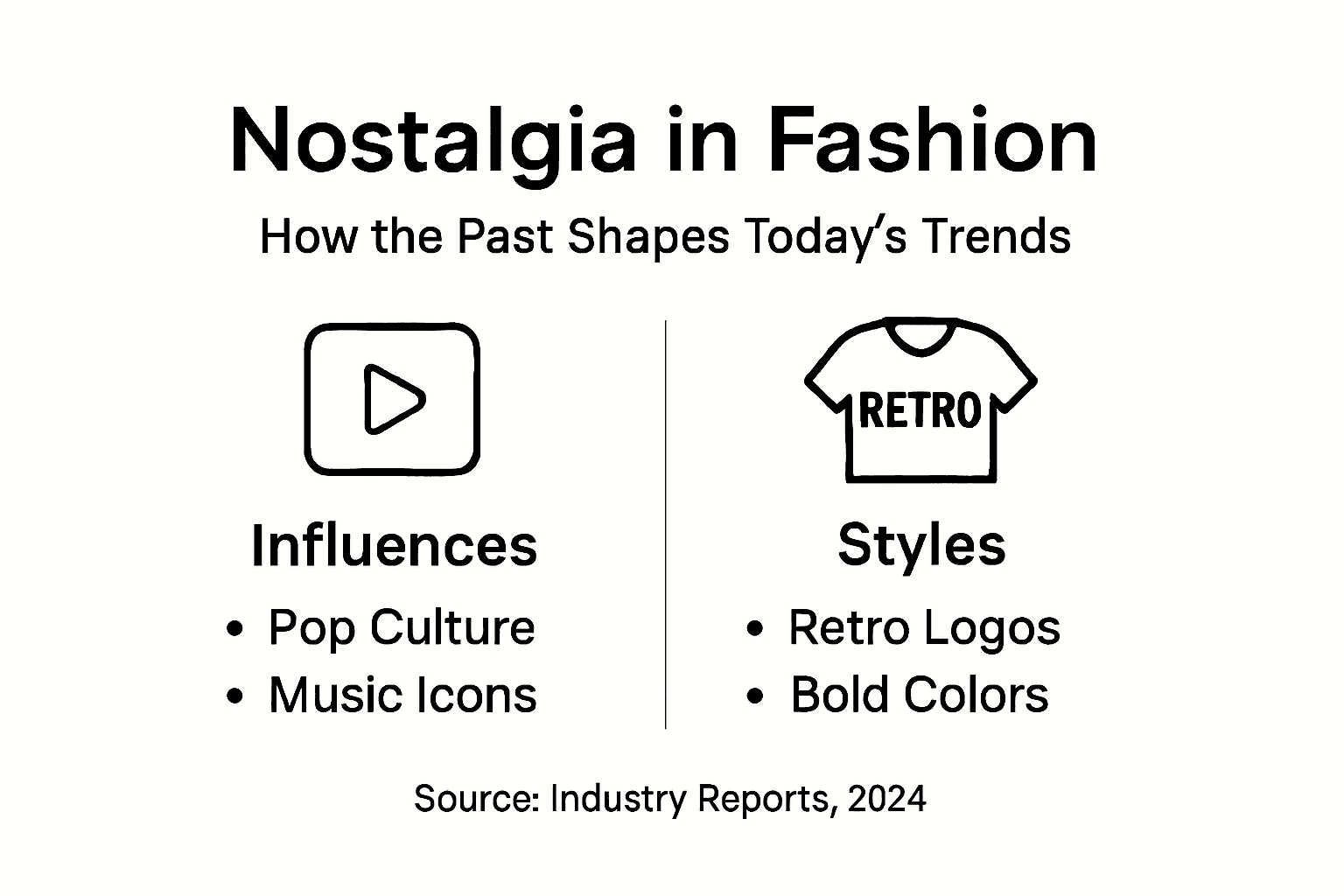
The influence goes deeper than individual purchasing decisions. Nostalgia shapes broader fashion trends by creating cyclical patterns where styles return every 20 to 30 years with fresh twists. Your parents’ fashion becomes your vintage inspiration, which becomes your kid’s thrifted finds. Social media supercharges this cycle exponentially. Instagram and TikTok users discover throwback aesthetics from decades they never lived through, mixing genuine nostalgia with aspirational retro styling. A Gen Z kid born in 2005 can develop deep attachment to 90s fashion through viral videos and influencers, creating a form of “borrowed nostalgia” that still carries emotional weight. The cultural resonance of past styles fuels consumer interest, particularly among younger demographics who integrate retro elements with contemporary culture to express their identity.
What makes nostalgia so influential in fashion trends is its authenticity compared to manufactured trends. A throwback design that references a real cultural moment carries emotional legitimacy that a randomly designed trend cannot match. Consumers recognize this difference and reward brands that tap into genuine nostalgic moments with loyalty and community. When you buy a piece because it connects you to a memory, a movie, a band, or an era that shaped you, that’s fundamentally different from chasing a fleeting trend. This is why throwback fashion sticks around while purely trendy pieces disappear in seasons. Nostalgia creates staying power because it’s rooted in actual human experience and emotional connection rather than algorithmic prediction or trend forecasting. The fashion brands winning right now understand that their customers want to express their authentic selves, and nostalgia gives people permission to do exactly that.
Pro tip: Build your throwback wardrobe around eras and moments that genuinely resonate with your personal history rather than whatever’s trending on social media, since authentic nostalgia feels more confident and creates better conversations than performative retro styling.
Common Pitfalls When Using Throwback Imagery
Not every throwback design lands successfully, and the difference between a hit and a miss often comes down to execution. The biggest mistake brands and designers make is treating throwback imagery as a shortcut rather than a thoughtful design choice. When you slap a random 80s font on a graphic without understanding the cultural context or emotional resonance of that era, it reads as lazy and inauthentic. People can sense the difference between genuine nostalgia and cynical cash grabbing. Poor contextual fit alienates modern consumers when retro elements don’t align with brand identity or customer expectations. A luxury brand suddenly dropping cartoonish Y2K graphics feels jarring and confused, while a streetwear brand doing the same feels natural. The mismatch creates cognitive dissonance that turns people away instead of drawing them in.
Overusing throwback imagery is another critical pitfall that flattens emotional impact. When everything in a collection feels retro, nothing stands out as special. Throwback designs work best as intentional choices that contrast with contemporary pieces, creating visual interest and narrative depth. Think of it like seasoning in cooking. A pinch of nostalgia enhances the overall dish, but drowning everything in it makes the meal unpalatable. Additionally, neglecting historical context leads to kitsch or irrelevance because you end up referencing aesthetics without understanding why they mattered. A throwback graphic works best when it honors the actual cultural moment it’s pulling from rather than inventing fake nostalgia. If you’re referencing a specific band, movie, or era, get the details right. Wrong fonts, inaccurate color palettes, or misplaced cultural references undermine credibility immediately.
The balancing act between nostalgia and innovation trips up plenty of designers too. A successful throwback piece isn’t a museum recreation, it’s a conversation between past and present. When you cling too tightly to historical accuracy, the design feels costume like and dated rather than timeless. Conversely, stripping away the retro elements in pursuit of “contemporary relevance” defeats the entire purpose of doing throwback design. The sweet spot exists in the tension between the two. Use vintage aesthetics as your foundation, but apply modern production techniques, unexpected color combinations, or contemporary composition choices that make the piece feel current. This is what separates ChillStitch designs from cheap throwback knockoffs. It’s about respecting the past while firmly planting yourself in the present.
Pro tip: Before finalizing any throwback design, ask yourself whether you can explain why you chose that specific era, reference, or aesthetic in one honest sentence, since if you can’t articulate the genuine connection, your audience won’t feel it either.
Embrace Authentic Nostalgia With Clothing That Speaks Your Story
Navigating the world of throwback designs can be tricky when you want more than just generic retro looks. The article highlights the importance of specificity and genuine emotional connection when choosing nostalgic apparel. If you seek clothes that reflect your unique memories and cultural moments rather than costume-like styles, our collection at ChillStitch.com was made just for you. We combine vintage-inspired graphics with a modern twist, creating pieces that let you express your identity with humor and heart while honoring the eras that shaped you.
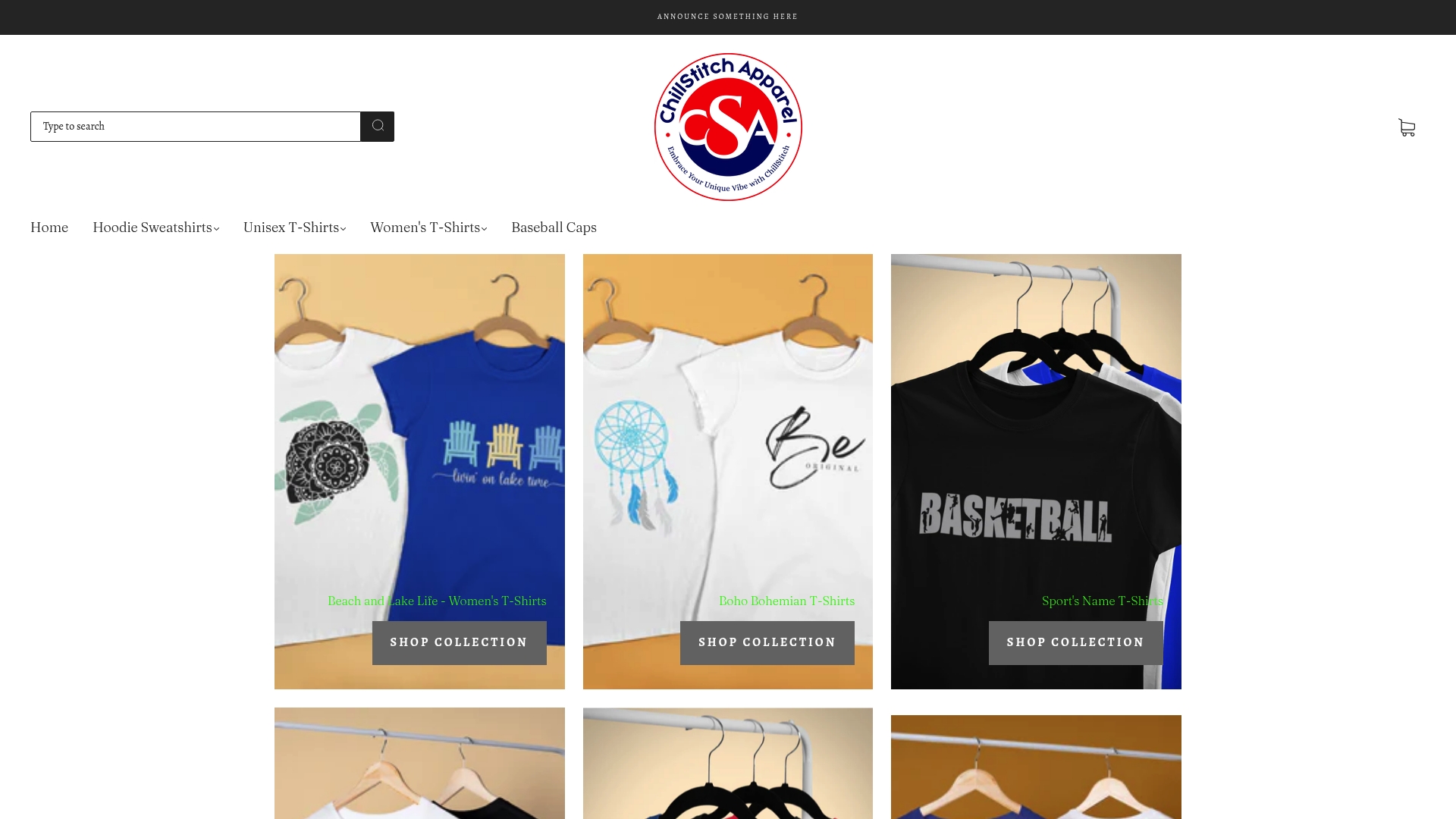
Discover tees, hoodies, and sweatshirts designed to spark conversation and connection. Whether you want a cheeky slogan hoodie or a subtle nod to your favorite cult film, find your next throwback statement piece at ChillStitch. Don’t settle for inauthentic throwback apparel. Say it loud and wear it proud today with designs that truly talk back. Shop now and wear nostalgia with integrity and style.
Frequently Asked Questions
What are throwback designs?
Throwback designs are contemporary clothing items that incorporate visual elements from past decades, blending vintage aesthetics with modern production techniques to create a nostalgic yet fresh look.
How do throwback designs evoke emotional connections?
Throwback designs tap into specific cultural moments from the past, making them resonate emotionally with wearers. Each piece can remind individuals of significant experiences tied to music, movies, or general cultural identity, fostering a sense of authentic self-expression.
What types of graphics are commonly used in throwback apparel?
Common types of graphics in throwback apparel include retro logos, band merchandise graphics, cultural references from movies and TV shows, vintage patterns, and typography that evoke specific decades.
What makes a design truly throwback versus just vintage?
A true throwback design intentionally uses specific visual markers such as color palettes, typography, and imagery from a certain era, creating a recognizable sense of time and place, unlike simply being old-fashioned or outdated.
Recommended
- What Is Retro Clothing Style? Complete Overview – ChillStitchApparel
- History of Retro T-Shirts: Shaping Pop Culture Expression – ChillStitchApparel
- Vintage Graphics Explained: Style, Trends, and Uses – ChillStitchApparel
- Complete Guide to Retro Tees: Style, Trends, Ethics – ChillStitchApparel
- Create a High-Converting Phone Case Collage Template – Bettermockups