

You might think pop culture graphics are just random images slapped on t-shirts, but they’re actually carefully crafted cultural artifacts that connect you to shared memories, identities, and communities. These designs tap into the collective consciousness of generations, transforming everyday apparel into conversation pieces that signal who you are and what you love. From vintage movie references to ironic memes, pop culture clothing has evolved into a sophisticated form of self-expression that bridges nostalgia, humor, and belonging. This guide reveals what makes these graphics resonate so powerfully with fans aged 18-35 and how to choose designs that authentically reflect your personality.
Table of Contents
- Key takeaways
- Defining pop culture graphics: origins and meaning
- Styles and visual characteristics of pop culture graphics
- The cultural impact and popularity of pop culture graphics
- How to choose and style pop culture graphics for personal expression
- Explore unique pop culture apparel at ChillStitch
- Frequently asked questions
Key Takeaways
| Point | Details |
|---|---|
| Origins in graphic tees | Pop culture graphics originated with the graphic tee movement and connect wearers through shared media references. |
| Social signals | These designs act as social signals that express interests, values, and humor to others with the same cultural touchpoints. |
| Style range variety | The collection spans vintage to minimalist to illustrated and meme inspired styles that fit different fashion preferences. |
| Depth with context | Look beyond the surface and consider historical context to distinguish genuine fans from casual trend followers. |
Defining pop culture graphics: origins and meaning
Pop culture graphics are visual designs derived from widely recognized cultural phenomena including films, music, television shows, comic books, and internet memes. Unlike generic decorative patterns, these graphics carry specific references that trigger recognition and emotional responses in viewers who share the same cultural touchpoints. They emerged from the graphic tee movement of the mid-20th century when apparel became a canvas for expressing identity, fandom, and social affiliations beyond traditional fashion norms.
The power of pop culture clothing lies in its ability to create instant connections between strangers who recognize the same reference. When you wear a graphic from a cult classic film or a vintage band logo, you’re participating in a visual language that communicates your interests, values, and sense of humor without saying a word. These designs often symbolize shared community references and nostalgia, acting as social signals that help you find your tribe in crowded spaces.
Typical sources for pop culture graphics include:
- Classic movies from the 70s, 80s, and 90s that defined generations
- Vintage band logos and album artwork from influential musical movements
- Iconic TV shows that shaped viewing habits and cultural conversations
- Comic book characters and panels that represent superhero mythology
- Internet memes and viral moments that capture contemporary humor
Pro Tip: Look beyond surface imagery when choosing pop culture graphics. The best designs carry nuanced social signals and historical context that reveal your depth of knowledge about the reference, distinguishing genuine fans from casual trend followers.
Styles and visual characteristics of pop culture graphics
Pop culture graphics span multiple visual styles, each with distinct aesthetics that appeal to different sensibilities and fashion preferences. Vintage and retro styles dominate the landscape, featuring faded colors, distressed textures, and typography that mimics screen printing techniques from past decades. Minimalist approaches strip references down to essential symbols or silhouettes that fans instantly recognize. Illustrated styles embrace detailed artwork that reimagines characters or scenes with artistic flair, while meme-inspired designs capture internet humor with bold text and reaction images.
| Style | Era inspired | Color schemes | Typical themes | Primary appeal |
|---|---|---|---|---|
| Vintage/retro | 1970s-1990s | Faded earth tones, sunset gradients | Classic films, old band logos | Nostalgia, authenticity |
| Minimalist | Contemporary | Monochrome, limited palette | Subtle references, icons | Sophistication, understatement |
| Illustrated | Timeless | Vibrant, varied | Reimagined characters, scenes | Artistic appreciation |
| Meme-inspired | 2010s-present | High contrast, digital | Internet culture, reactions | Humor, relatability |
| Ironic humor | Mixed | Unexpected combinations | Parodies, mashups | Wit, subversion |
Hallmark design elements that define pop culture graphics include:
- Bold typography that references specific eras or design movements
- Iconic symbols that instantly trigger recognition among fans
- Clever parodies that remix familiar imagery with unexpected twists
- Direct pop references that quote memorable lines or moments
Humor plays a central role in many pop culture graphics, with styles ranging from satirical commentary on cultural phenomena to pun-based wordplay that connects visual and verbal elements. Nostalgia-driven jokes tap into shared memories of childhood experiences or formative cultural moments, creating emotional resonance that goes beyond simple amusement. The evolution of vintage graphics demonstrates how these visual styles adapt while maintaining their core appeal to audiences seeking authentic connections to the past.
The cultural impact and popularity of pop culture graphics
Expressive graphics generate 30% more social connection among wearers by creating visible conversation hooks and identity markers.
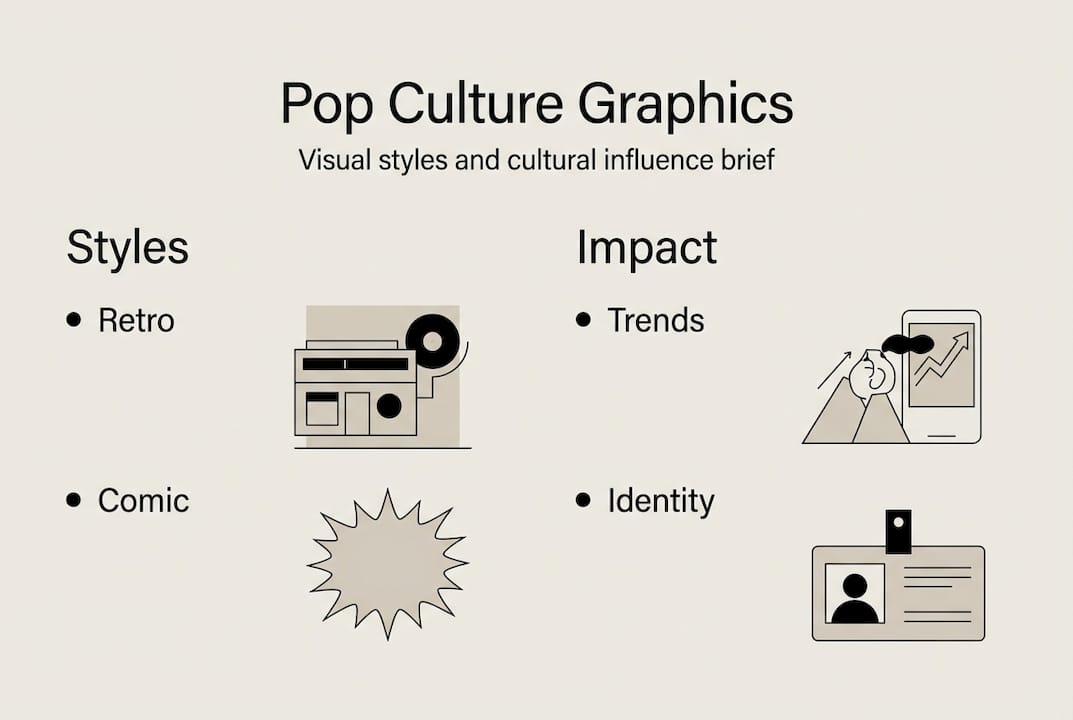
Pop culture graphics have transformed from niche fandom expressions into mainstream fashion statements that shape how people present themselves in social contexts. These designs serve multiple cultural functions simultaneously, acting as conversation starters that give strangers permission to approach you, identity signals that broadcast your interests and values, and nostalgia triggers that forge instant bonds with others who share your references. The visibility of these graphics in public spaces creates micro-communities of recognition, where a simple nod or comment about someone’s shirt can spark genuine connections.
Key cultural impacts include:
- Conversation starters that lower social barriers and facilitate organic interactions
- Identity signaling that helps you find like-minded people in diverse environments
- Nostalgia triggering that creates emotional bonds through shared cultural memories
- Humor sharing that establishes rapport and demonstrates personality compatibility
The influence of pop culture graphics extends beyond individual expression into broader fashion trends. The blending of retro revival aesthetics with modern streetwear sensibilities has created a distinct visual language that dominates casual apparel markets. Major fashion houses now incorporate elements once exclusive to underground graphic tee culture, validating the artistic and cultural significance of these designs. This mainstream adoption hasn’t diminished the authenticity of pop culture graphics; instead, it has expanded the vocabulary available for personal expression.
Pro Tip: Choose graphics that authentically reflect your personality and genuine interests rather than following trends blindly. People can sense when you’re wearing something just because it’s popular, and authentic passion for your references creates more meaningful social engagement than surface-level trend participation.
How to choose and style pop culture graphics for personal expression
Selecting pop culture graphics that genuinely represent you requires thoughtful consideration of your interests, humor style, and fashion sensibilities. The goal is finding designs that feel like natural extensions of your personality rather than costumes you’re trying on. Here’s a systematic approach:
- Identify your core fandoms by listing movies, shows, bands, and cultural moments that genuinely shaped your worldview
- Consider your humor style to determine whether you prefer subtle references, bold statements, or ironic commentary
- Match graphics with your existing fashion sense to ensure they integrate seamlessly into your wardrobe rotation
- Research graphic authenticity to verify you’re getting quality designs that respect the original source material
- Reflect on identity signals you want to send and how different graphics align with those intentions
| Graphic category | Example themes | Typical occasions | Emotional appeal |
|---|---|---|---|
| Classic film | Cult movies, iconic scenes | Casual outings, film screenings | Nostalgia, sophistication |
| Music legends | Band logos, album art | Concerts, social gatherings | Passion, cultural knowledge |
| TV nostalgia | Vintage shows, catchphrases | Everyday wear, reunions | Comfort, shared memories |
| Internet humor | Memes, viral moments | Informal settings, friend hangouts | Relatability, contemporary wit |
| Retro gaming | Pixel art, classic consoles | Gaming events, casual wear | Childhood memories, nerd culture |
Styling pop culture graphics effectively means balancing their visual boldness with complementary pieces that let the design shine without overwhelming your overall look. Pair graphic tees with neutral bottoms like classic jeans or solid-colored pants to create focus on the design. Layering techniques work exceptionally well, with open flannels or denim jackets adding dimension while framing the graphic. For hoodies and sweatshirts with pop culture designs, keep accessories minimal to avoid competing visual elements.
The intersection of graphic wear trends and personal style creates opportunities for unique combinations that stand out. Pro Tip: Combining vintage graphics with modern cuts creates conversation-worthy looks that demonstrate fashion awareness while honoring nostalgic references. A retro band tee tucked into high-waisted pants with contemporary sneakers bridges eras in ways that feel fresh rather than costume-like.
Explore unique pop culture apparel at ChillStitch
Now that you understand what makes pop culture graphics resonate, it’s time to discover designs that authentically connect with your identity and spark the conversations you want to have. ChillStitch specializes in apparel featuring carefully curated pop culture graphics that blend humor, nostalgia, and quality craftsmanship. Each piece is designed to be more than just clothing; it’s a statement about who you are and what makes you laugh, think, and connect with others.
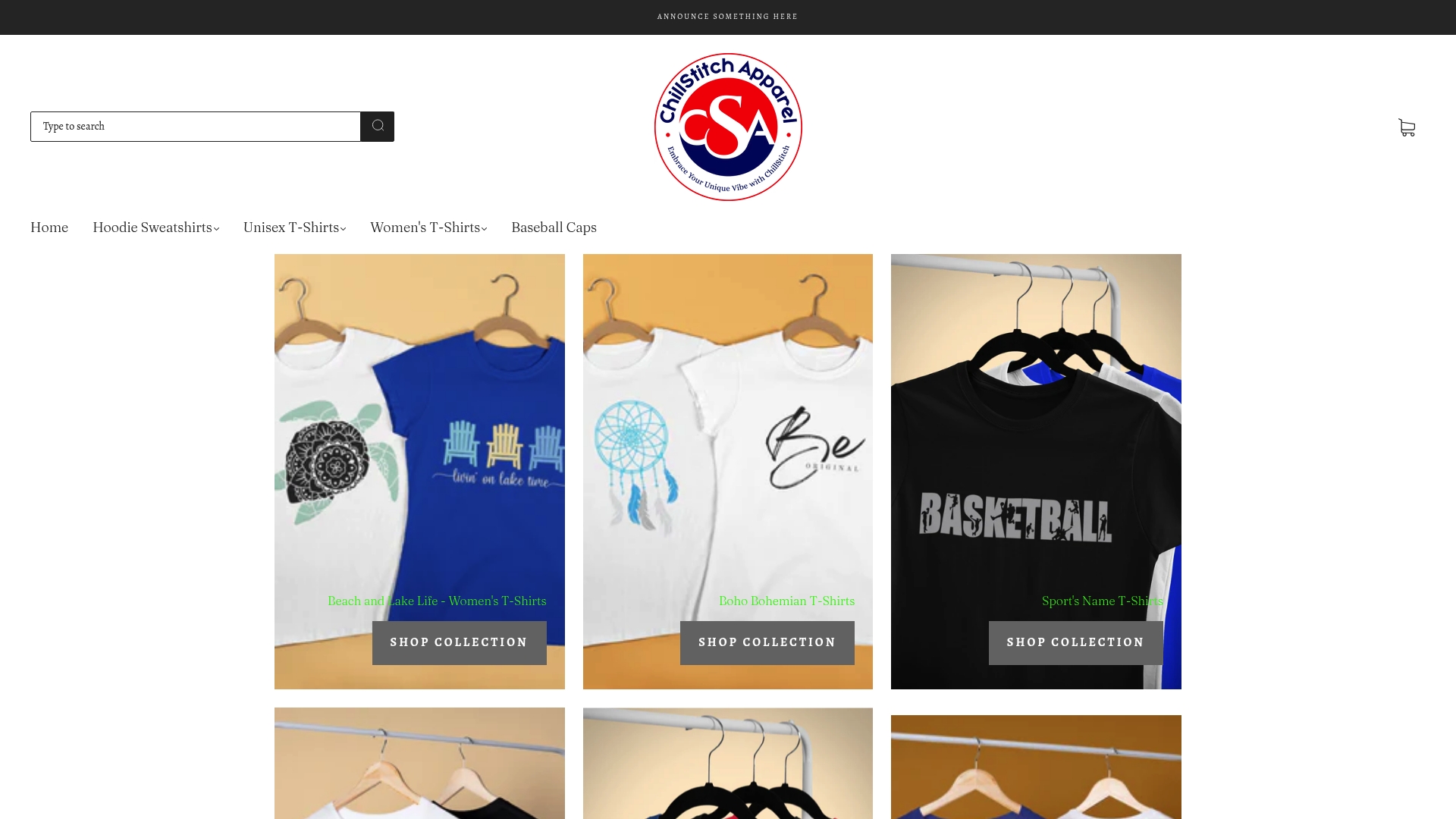
Our collections draw inspiration from classic movies, throwback imagery, and everyday wit, printed on ethically sourced fabrics that feel as good as they look. Whether you’re searching for a retro baseball tee that references your favorite cult film or a cheeky slogan hoodie that perfectly captures your sense of humor, our designs serve as canvases for identity and community. Pro Tip: Browse ChillStitch’s curated selections to find unique retro and humorous designs that match your personal style and authentic interests, ensuring your apparel choices reflect genuine passion rather than fleeting trends.
Frequently asked questions
What exactly are pop culture graphics?
Pop culture graphics are visual designs on apparel and merchandise that reference widely recognized elements from movies, television, music, internet culture, and other shared cultural phenomena. They transform clothing into communication tools that express identity, signal affiliations, and create instant recognition among people who share the same cultural touchpoints. These graphics go beyond decoration to serve as social connectors and personal statements.
How do pop culture graphics differ from other graphic designs?
Pop culture graphics reference widely recognized cultural icons and nostalgia, unlike generic designs that may lack specific cultural context or emotional resonance. They incorporate humor, fandom elements, and identity markers specific to subcultures, creating meaning that extends beyond pure aesthetics. Generic graphics might be visually appealing but don’t carry the same social signaling power or conversation-starting potential that pop culture references provide.
Why are retro and vintage styles popular in pop culture graphics?
Retro and vintage styles evoke nostalgia for past eras and experiences, creating emotional resonance that connects wearers to formative cultural moments. They provide distinctive aesthetics that stand out in a marketplace saturated with contemporary designs, offering visual authenticity that feels genuine rather than manufactured. The faded colors, distressed textures, and period-specific typography trigger memories and associations that make these styles emotionally powerful for audiences seeking connections to the past.
What makes pop culture graphic apparel a conversation starter?
Pop culture graphics feature recognizable symbols and humor that invite comments and reveal shared interests between strangers. Wearing these graphics signals your identity and passions, encouraging conversations with like-minded people who recognize the references and want to connect over mutual appreciation. Research shows that expressive graphics create 30% more social connection among wearers by providing visible hooks for interaction. The specificity of pop culture references acts as a filter, attracting people who genuinely share your interests rather than generating generic small talk.