

Everyone who loves vintage-inspired style knows the thrill of discovering a piece that reflects both nostalgia and meaningful craftsmanship. As fashion shifts toward community-driven apparel, the focus moves from anonymous production to genuine connection, transparency, and collective creativity. This topic matters because it brings ethical values, humor, and cultural stories to garments, letting enthusiasts actively support makers and creative communities. Discover how collaborative models are changing the way we wear, laugh, and celebrate responsible fashion.
Table of Contents
- Defining Community-Driven Apparel And Its Core Ideals
- Key Models And Types In Community Fashion
- How Community Involvement Shapes Design
- Benefits For Consumers, Makers, And Society
- Risks, Ethical Concerns, And What To Avoid
Key Takeaways
| Point | Details |
|---|---|
| Community-Driven Apparel | This approach emphasizes transparency, local involvement, and shared purposes between consumers and creators, transforming clothing into a medium for social connection. |
| Innovative Models | Resale platforms, clothing rentals, upcycling communities, and subscription services are redefining fashion consumption through collaborative practices. |
| Ethical Vigilance | Stakeholders must remain aware of risks such as labor exploitation and cultural appropriation, ensuring genuine ethical practices in community-driven initiatives. |
| Holistic Benefits | Community-driven apparel fosters deeper connections for consumers, fair compensation for makers, and strengthened societal values through sustainable practices. |
Defining Community-Driven Apparel and Its Core Ideals
Community-Driven Apparel represents a transformative approach to fashion that centers human connection and collaborative production. Unlike traditional manufacturing models, this concept shifts away from anonymous, disconnected clothing production toward a more transparent and participatory process.
At its core, community-driven apparel emphasizes three fundamental principles:
- Transparency in manufacturing processes
- Direct involvement of local artisans and makers
- Shared purpose between consumers and creators
This approach fundamentally reimagines clothing production through a collaborative sustainability model. Instead of treating garments as disposable commodities, community-driven apparel views clothing as a medium for social connection, cultural expression, and collective identity.
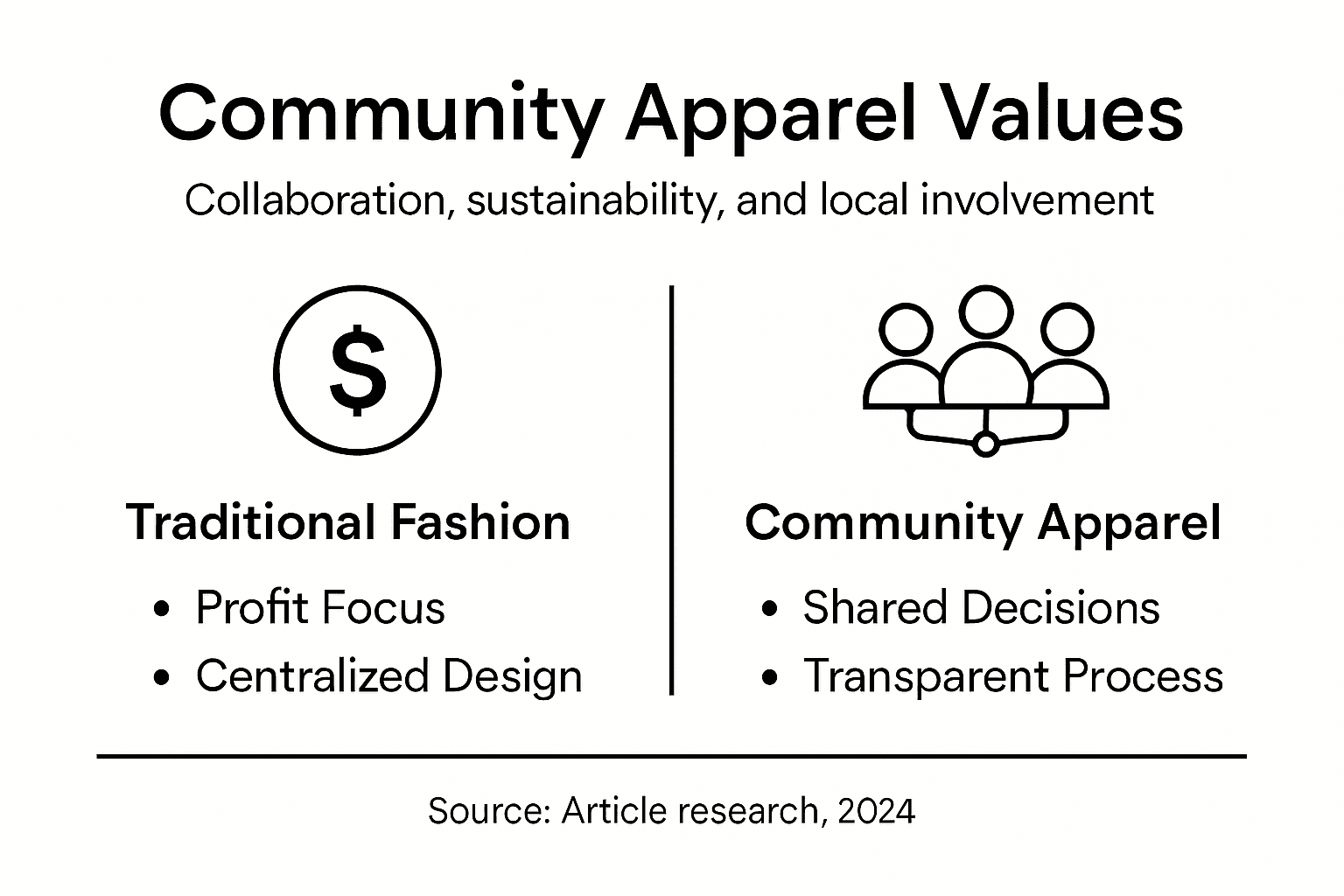
Here is a comparison of traditional fashion and community-driven apparel models:
| Dimension | Traditional Fashion | Community-Driven Apparel |
|---|---|---|
| Production Process | Centralized, top-down | Decentralized, collaborative |
| Consumer Role | Passive purchaser | Active co-creator |
| Maker Involvement | Anonymous, distant | Local, directly involved |
| Impact Focus | Mass production, profit | Social connection, purpose |
| Transparency Level | Often limited | High, traceable |
The philosophical underpinnings of this movement reject the traditional linear “take-make-dispose” fashion model. By prioritizing community involvement and cocreation, these clothing initiatives transform fashion from a purely transactional experience into a deeply meaningful social interaction.
Pro tip: When choosing community-driven apparel, look beyond aesthetics and consider the story, craftsmanship, and social impact behind each garment.
Key Models and Types in Community Fashion
Community fashion has evolved far beyond traditional retail models, introducing innovative approaches that redefine how we consume and interact with clothing. Collaborative consumption models are transforming the fashion landscape, offering consumers more engaging and sustainable alternatives to conventional shopping experiences.
Key models in community fashion include:
- Resale Platforms: Peer-to-peer marketplaces enabling secondhand clothing exchanges
- Clothing Rental Services: Temporary garment access reducing individual consumption
- Upcycling Communities: Groups dedicated to transforming existing garments into new designs
- Subscription-Based Wardrobes: Rotating clothing collections that minimize individual ownership
These models represent a significant shift towards collaborative fashion consumption practices, emphasizing shared resources and reduced environmental impact. By reimagining clothing as a communal experience, these approaches challenge traditional linear fashion consumption.
The emergence of community-based cocreation frameworks further demonstrates how fashion is becoming a participatory ecosystem. Local stakeholders, designers, and consumers now collaborate to design, produce, and distribute clothing, creating more meaningful and sustainable fashion experiences.
Pro tip: Explore local clothing swap events or online platforms to actively participate in community-driven fashion models and reduce your individual fashion footprint.
How Community Involvement Shapes Design
Design in community-driven apparel is not a top-down process, but a dynamic collaboration that transforms how clothing is conceptualized, created, and experienced. Community engagement has become a powerful catalyst for innovation, enabling designers to move beyond traditional aesthetic considerations and create garments with deeper social and cultural significance.
Key aspects of community-driven design include:
- Cultural Representation: Incorporating diverse perspectives and local narratives
- Collaborative Ideation: Involving consumers directly in design conceptualization
- Sustainable Problem-Solving: Addressing environmental and social challenges through collective creativity
- Adaptive Design: Creating flexible garments that respond to real-world community needs
The transformative power of community design approaches fundamentally challenges traditional fashion production models. By integrating diverse stakeholder perspectives, designers can create more inclusive, responsive, and meaningful clothing experiences that resonate beyond mere visual aesthetics.
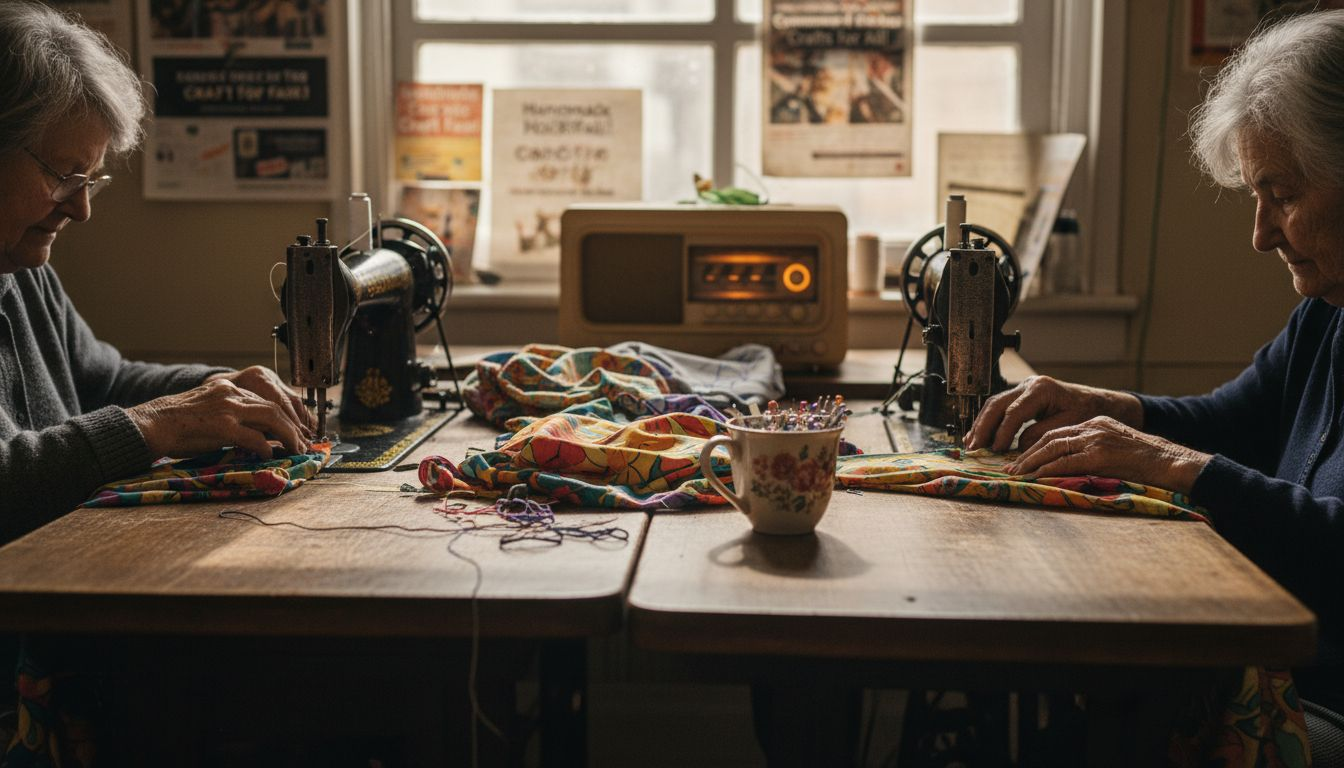
Moreover, community-based design strategies demonstrate how collaborative processes enhance both technical innovation and cultural understanding. This approach allows designers to develop solutions that are not just visually compelling, but also socially and environmentally responsible.
Pro tip: Engage with local design communities and participate in collaborative design workshops to understand how collective creativity can transform fashion design.
Benefits for Consumers, Makers, and Society
Community-driven apparel transcends traditional transactional relationships, creating a holistic ecosystem that generates value for multiple stakeholders simultaneously. Collaborative fashion represents a nuanced approach that reimagines clothing as a medium for connection, empowerment, and meaningful social exchange.
Benefits for different stakeholders include:
-
For Consumers:
- Access to more authentic, personally meaningful clothing
- Direct connection with clothing creation process
- Increased transparency about product origins
-
For Makers:
- Fair compensation and recognition
- Greater creative autonomy
- Expanded economic opportunities
-
For Society:
- Reduced environmental waste
- Support for local economies
- Promotion of cultural diversity and representation
Community-driven apparel practices fundamentally challenge conventional production models by prioritizing human connections over pure economic transactions. This approach transforms clothing from a disposable commodity into a meaningful narrative of collective creativity and shared values.
The table below highlights the unique value for each key stakeholder:
| Stakeholder | Unique Value Provided | Long-Term Benefit |
|---|---|---|
| Consumers | Personal connection to garment | Deeper loyalty and satisfaction |
| Makers | Creative recognition and fair pay | Enhanced livelihood and security |
| Society | Strengthened community identity | Sustainable social ecosystems |
Moreover, circular fashion approaches demonstrate how collaborative consumption can generate significant social innovation. By reimagining clothing production as a participatory process, these models create pathways for economic empowerment, environmental sustainability, and cultural expression.
Pro tip: Research local textile collectives or community design workshops to directly experience the transformative potential of community-driven fashion.
Risks, Ethical Concerns, and What to Avoid
While community-driven apparel represents a promising approach to fashion, it is not without potential pitfalls that can undermine its transformative potential. Ethical vigilance remains crucial in preventing the reproduction of systemic problems that plague traditional fashion supply chains.
Key ethical risks to watch for include:
-
Labor Exploitation:
- Hidden wage disparities
- Lack of worker protection mechanisms
- Informal working conditions
-
Cultural Appropriation:
- Superficial representation of cultural designs
- Lack of proper credit or compensation
- Tokenistic engagement with cultural traditions
-
Greenwashing:
- Making unsubstantiated sustainability claims
- Performative environmental messaging
- Minimal actual ecological impact
Ethical fashion challenges demand rigorous transparency and genuine commitment to fair practices. Simply declaring good intentions is insufficient; concrete mechanisms for accountability and worker empowerment must be established.
Moreover, recent industry reports underscore the critical importance of maintaining genuine ethical standards. Community-driven initiatives must proactively address systemic inequities, ensuring fair compensation, safe working environments, and meaningful stakeholder engagement.
Pro tip: Always request detailed supply chain information and worker welfare documentation before supporting any community-driven apparel initiative.
Discover Apparel That Speaks With Purpose and Connection
The article highlights the challenge of finding clothing that goes beyond fashion as a commodity and instead fosters real community involvement, transparency, and social meaning. If you seek clothes that embody shared values, craftsmanship, and authentic connection, you are not alone. Community-driven apparel calls for garments that tell a story and invite participation. At ChillStitch.com, we embrace this ethos through our vintage-inspired tees and hoodies crafted on ethically sourced fabrics designed to ignite conversations and express identity.
Our collection captures humor, nostalgia, and heart in every stitch — your perfect choice for clothing that not only looks good but champions transparency and creative collaboration. Explore how Clothes That Talk Back can become your statement piece reflecting community ideals you care about. Grab your favorite designs now from ChillStitch.com and take part in apparel that celebrates connection and authenticity.
Looking for clothes that truly represent you and the community you stand for
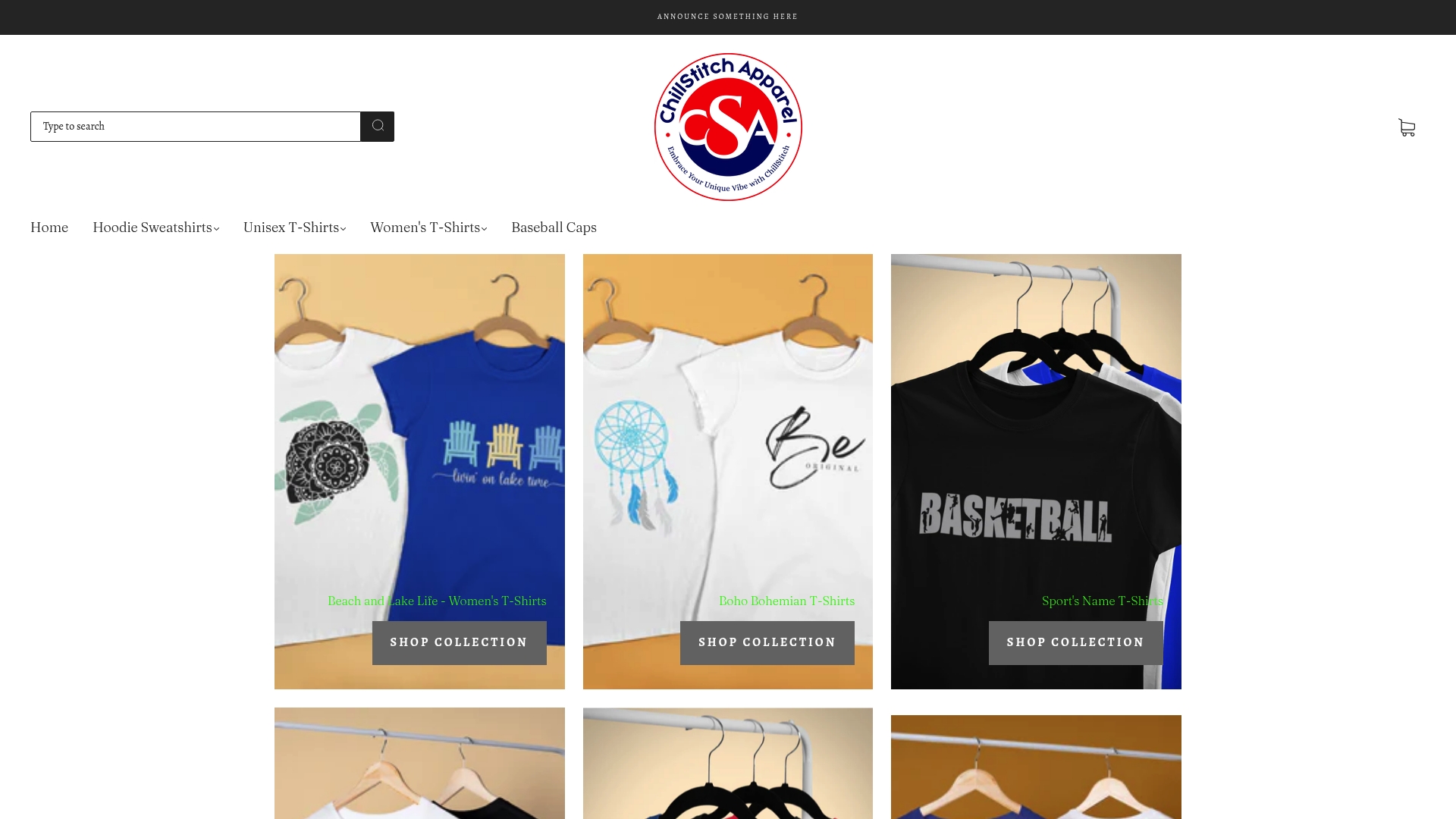
Shop our unique selection at ChillStitch.com today and wear your statement proudly. Say it loud with apparel that sparks connection and adds meaning to your wardrobe.
Frequently Asked Questions
What is community-driven apparel?
Community-driven apparel refers to a sustainable fashion approach that emphasizes collaboration, transparency, and involvement of local artisans in the clothing production process, transforming garments into vehicles of social connection and cultural expression.
How does community-driven apparel differ from traditional fashion?
Unlike traditional fashion, which is often centralized and profit-driven, community-driven apparel promotes a decentralized and collaborative production model, empowering consumers to become active co-creators and fostering direct relationships between makers and consumers.
What are some key benefits of community-driven apparel for consumers?
Consumers benefit from community-driven apparel through access to authentic and meaningful clothing, increased transparency about product origins, and a direct connection to the creation process, leading to greater satisfaction and loyalty.
What ethical concerns should I be aware of when engaging with community-driven apparel?
While community-driven apparel aims to promote positive practices, concerns include potential labor exploitation, cultural appropriation, and greenwashing. It’s important to ensure transparency and fair practices in the initiatives you support.