
Think ethical apparel just means organic cotton and recycled polyester? That’s only part of the story. True ethical apparel weaves together fair labor practices, environmental responsibility, and radical supply chain transparency. For conscious consumers seeking vintage-inspired graphic clothing that reflects their values and personality, understanding this distinction matters. This guide breaks down what ethical apparel really means, how to verify claims, and how to shop confidently without sacrificing your unique style.
Table of Contents
Key takeaways
| Point | Details |
|---|---|
| Ethical apparel definition | Integrates fair labor standards, environmental stewardship, and corporate transparency beyond just eco-materials. |
| Verification methods | Certifications like Fair Trade, GOTS, and B Corp provide third-party validation of ethical claims. |
| Common misconceptions | Many consumers wrongly equate ethical solely with sustainability, ignoring crucial labor and transparency factors. |
| Vintage graphic challenges | Pop culture-inspired apparel faces unique ethical production hurdles in printing processes and material sourcing. |
| Consumer empowerment | Digital tools and certification literacy help you balance personal style with verified ethical commitments. |
Introduction to ethical apparel
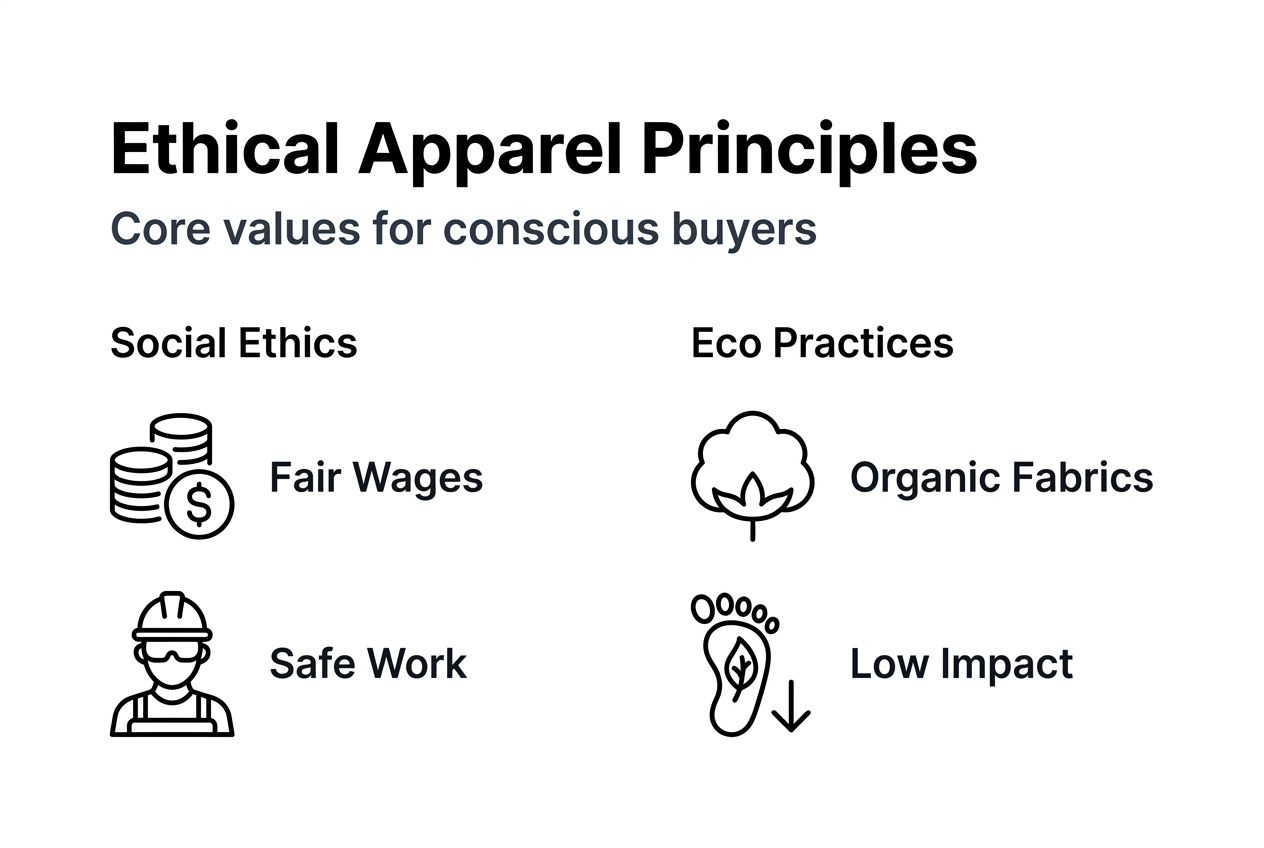
Ethical apparel goes far beyond choosing organic fabrics or recycled materials. It represents a holistic commitment to social justice, fair labor, and corporate responsibility alongside environmental care. While sustainable fashion focuses primarily on ecological impact and fair trade emphasizes equitable farmer compensation, ethical apparel encompasses all these dimensions plus workplace safety, living wages, and transparent business practices.
This comprehensive approach matters especially for buyers of vintage-inspired graphic clothing who want their purchases to reflect both their identity and values. Understanding the difference between these concepts helps you make informed choices that truly align with your principles.
Ethical apparel rests on three core pillars:
- Social justice: Ensuring workers receive living wages, safe conditions, and freedom to organize
- Environmental stewardship: Minimizing water use, chemical pollution, and textile waste throughout production
- Transparency: Providing traceable supply chains and accessible information about sourcing and manufacturing
Focusing only on sustainability or fair trade leaves critical gaps. A brand might use organic cotton but exploit garment workers. Another might pay fair prices to farmers while dumping toxic dyes into rivers. True ethical apparel demands accountability across all three pillars, creating clothing that honors both people and planet.
This framework becomes particularly important for community-driven apparel that aims to build authentic connections through shared values and cultural references.
Key principles and practices in ethical apparel
Authentic ethical brands implement concrete practices that go beyond marketing buzzwords. Fair labor practices include paying living wages and ensuring safe working conditions, not just meeting minimum legal requirements. Workers should have reasonable hours, freedom from harassment, and the right to organize collectively.
Material sourcing plays an equally vital role. Ethical brands prioritize:
- Organic cotton: Grown without synthetic pesticides, reducing farmer exposure to toxins
- Recycled fibers: Diverting textile waste from landfills and reducing virgin material demand
- Low-impact dyes: Minimizing water pollution and chemical runoff in printing processes
- Deadstock fabrics: Repurposing surplus materials to prevent waste
Environmental responsibility extends beyond materials to production methods. Water-efficient dyeing, renewable energy in factories, and waste reduction programs demonstrate genuine commitment. Brands should measure and report their carbon footprint, water usage, and waste generation with specific metrics.

Supply chain transparency separates authentic ethical brands from greenwashers. Look for companies that publicly map their supplier networks, publish factory audit results, and use digital traceability platforms. Some brands now offer QR codes on garment tags linking to detailed sourcing information for that specific item.
Pro Tip: Check if a brand lists specific factory names and locations on their website, not just vague statements about
Recommended
- Self-Expression Clothing 2026: 70% Prefer Ethical Apparel – ChillStitchApparel
- What Is Community-Driven Apparel and Why It Matters – ChillStitchApparel
- Minimalist Streetwear 2026: 40% Surge in Ethical Style – ChillStitchApparel
- What Is Graphic Apparel and Why It Connects – ChillStitchApparel
- Design Philosophy Step Guide for Authentic Arts & Crafts -