

Retro streetwear isn’t just old clothes someone dug out of a garage. It’s a full-on cultural movement that connects Y2K fashion to 80s hip-hop, skate culture, and iconic TV moments like Fresh Prince and Clueless. Right now, it’s one of the most powerful forces in youth fashion, and for good reason. This guide breaks down exactly why retro streetwear dominates, who’s wearing it, what it means for the planet, and how you can build a collection that actually says something about who you are.
Table of Contents
- Nostalgia and culture: Why retro streetwear resonates
- Authenticity, versatility, and style power
- Sustainability and the eco edge of retro streetwear
- Who’s really wearing retro streetwear? Demographics and trends
- The flipside: Risks and misconceptions in retro streetwear
- How to start your retro streetwear journey
- Your next step: Shop authentic retro-inspired looks
- Frequently asked questions
Key Takeaways
| Point | Details |
|---|---|
| Nostalgia connects eras | Retro streetwear links today’s style with iconic 80s and 90s pop culture for unique expression. |
| Sustainability advantage | Choosing vintage and upcycled clothes cuts fashion waste, making style eco-friendly. |
| Youth power the trend | Gen Z and Millennials drive demand, with 70% of streetwear fans under 25. |
| Authenticity matters | Spotting real pieces and smart shopping protect you from fakes and hype inflation. |
| Anyone can start | With thrift shops, basics, and a little research, anyone can build a standout retro look. |
Nostalgia and culture: Why retro streetwear resonates
To understand the appeal, we have to dig into what makes retro wear so much more meaningful than generic fashion. It’s not just about looking cool. It’s about feeling connected to something bigger than a trend cycle.
Gen Z didn’t live through the 90s, but that doesn’t matter. Vintage streetwear influence works like a time machine, letting younger generations remix cultural moments they missed the first time around. That’s not nostalgia in the sad, looking-backward sense. It’s more like cultural literacy, wearing a reference as a badge of taste.
Retro pieces are also conversation starters in a way that a plain white tee from a fast fashion chain never will be. A faded graphic hoodie with a throwback logo or a bold 90s colorblock jacket tells a story. People stop you. They ask questions. That’s the whole point of nostalgic retro apparel.
Celebrity culture keeps the engine running too. When a major artist or influencer shows up in a vintage piece, resale prices spike overnight. The origin of vintage hoodies traces back to athletic and workwear roots, but today they carry an entirely different kind of social weight.
Here’s what makes retro streetwear culturally magnetic:
- Irony and humor: Wearing a cheesy 80s logo unironically is its own kind of flex
- Identity signaling: Your fit tells people what you know and what you value
- Community: Shared references create instant connection with strangers
- Remix culture: Gen Z treats old aesthetics as raw material for something new
“70% of streetwear consumers are under 25.” That’s not a coincidence. That’s a generation using fashion as its primary language.
The retro design trends shaping 2026 are proof that this isn’t a passing phase. It’s a permanent shift in how young people relate to clothing.
Authenticity, versatility, and style power
Cultural power is half the story. Now let’s look at the style secrets and practical strengths that make retro streetwear a must-have.
The mechanics of retro style are surprisingly simple once you understand them. Oversized proportions and bold logos from the 80s and 90s create visual impact without trying too hard. You don’t need a full vintage outfit. One statement piece, like a graphic hoodie or a color-blocked windbreaker, can anchor an entire look.
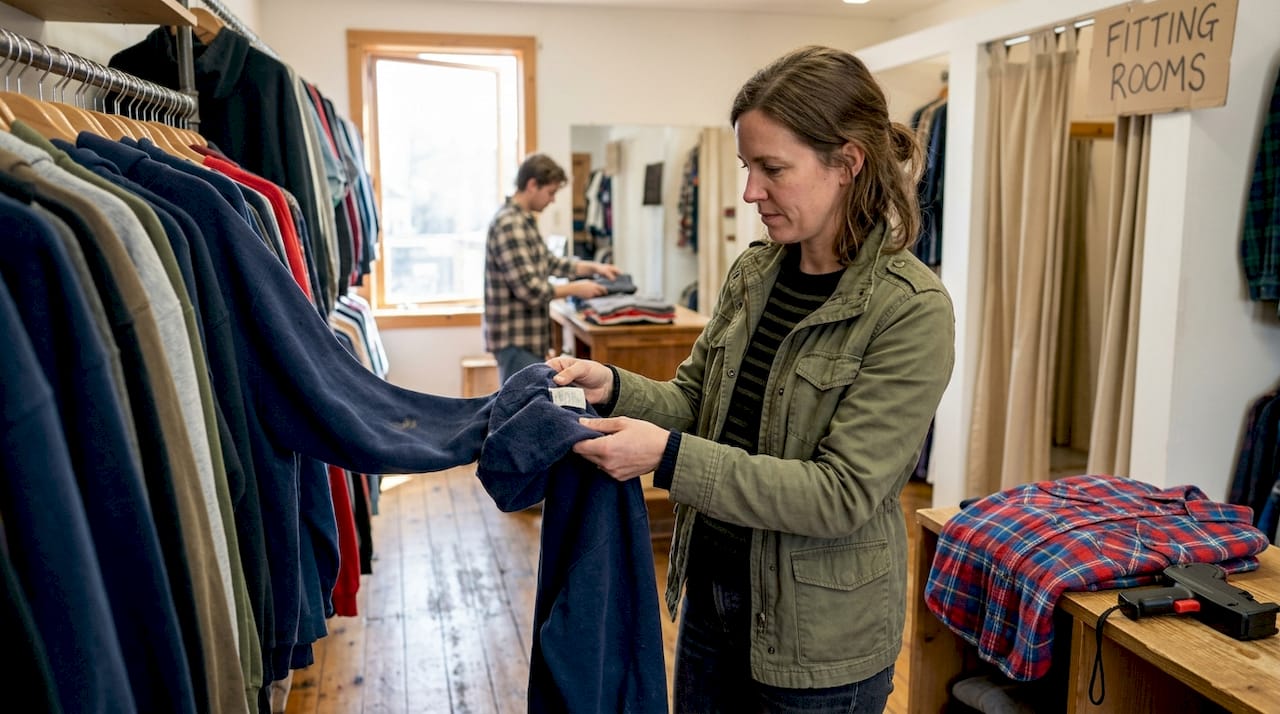
Versatility is a huge selling point. Retro pieces mix naturally with modern basics. Throw an oversized vintage tee over slim joggers and clean sneakers, and you’ve got a fit that works for a concert, a hangout, or even a casual Friday. Check out tips on styling graphic hoodies and styling retro hoodies for specific outfit ideas.
Authenticity is where things get tricky. Not everything labeled “vintage” actually is. Here’s how to spot the real deal:
- Check the label: Older garments use single-stitch construction and specific tag fonts
- Feel the fabric: Genuine vintage has a softer, broken-in texture that’s hard to fake
- Look at the print: Real aged graphics crack and fade in natural patterns, not uniform ones
- Smell test: Sounds weird, but authentic vintage has a distinct smell that reproductions don’t
Pro Tip: At a thrift shop, flip the garment inside out before buying. The inside seams and tag placement reveal age and quality faster than anything on the outside.
Here’s a quick comparison to help you decide where to spend:
| Feature | Retro/vintage streetwear | Mainstream fast fashion |
|---|---|---|
| Price | Varies, often $15-$80 | Low upfront, $10-$40 |
| Quality | High, built to last | Often low, disposable |
| Originality | Unique, one-of-a-kind | Mass produced |
| Sustainability | Strong eco credentials | Poor environmental record |
| Resale value | Appreciates over time | Near zero |
For more creative outfit ideas, creative vintage hoodie looks covers some of the freshest combinations trending right now. And 90s style inspiration is a great external resource for visual direction.
Sustainability and the eco edge of retro streetwear
Retro isn’t just cool. It’s environmental. Let’s see what wearing vintage means for the planet and your wallet.
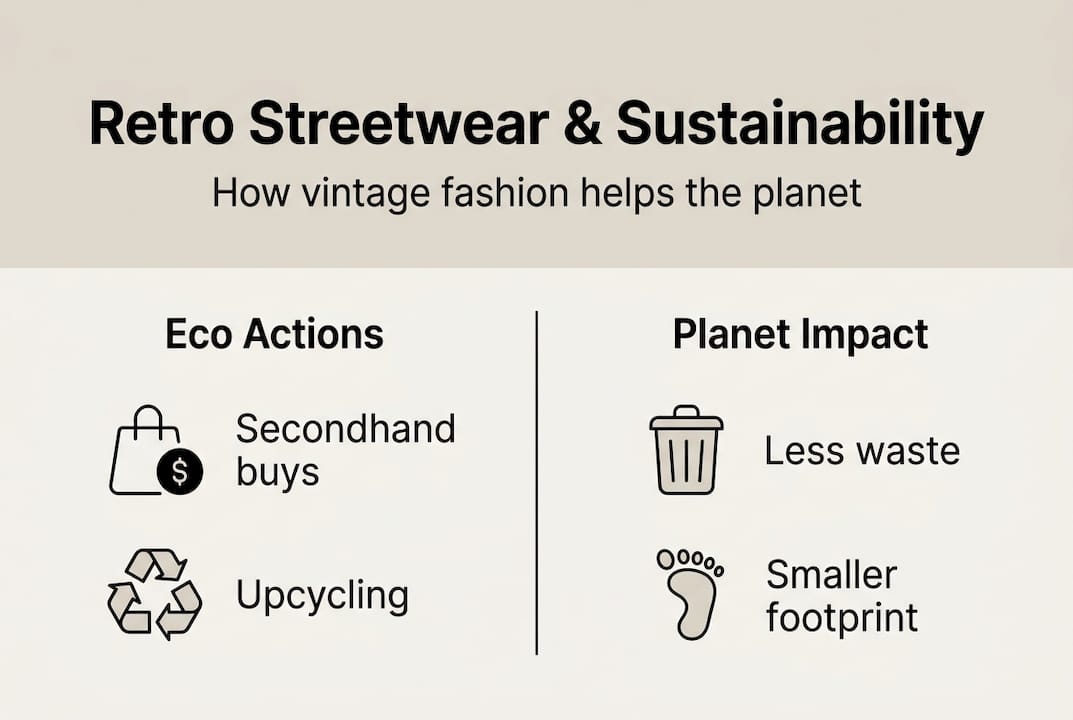
Fast fashion is one of the most polluting industries on earth. Buying secondhand or vintage directly cuts into that cycle. Every retro piece you choose is one less item manufactured from scratch, which means less water, less dye, and less carbon in the atmosphere.
The numbers back this up hard. The sustainable streetwear market is projected to grow from $2.5 billion in 2024 to $8.1 billion by 2033. That’s not a niche anymore. That’s a mainstream shift.
Stat to know: Upcycling and reusing old garments cuts your carbon footprint by up to 50% compared to buying new.
Brands are catching on too. Many labels are now releasing vintage capsule collections by mining their own archives, which signals that the industry knows where consumer values are heading.
Pro Tip: When building a sustainable wardrobe, focus on quality basics first. A well-made vintage hoodie or classic graphic tee will outlast five cheap fast fashion pieces and look better doing it.
Here’s a snapshot of the environmental impact:
| Action | Environmental benefit |
|---|---|
| Buying secondhand | Reduces manufacturing demand |
| Upcycling old pieces | Cuts carbon footprint by ~50% |
| Choosing quality over quantity | Less waste over time |
| Supporting ethical brands | Encourages industry-wide change |
For more on making smart eco choices, choosing vintage tees and quality in vintage streetwear are worth reading. The ethical streetwear surge is also reshaping what consumers expect from brands in 2026.
Who’s really wearing retro streetwear? Demographics and trends
Sustainability is a huge plus, but who’s truly powering the vintage revolution? The numbers tell the story.
Gen Z and Millennials together account for 80% of vintage streetwear spending. That’s not surprising when you consider that both generations grew up watching culture shift in real time and developed a sharp eye for what feels authentic versus manufactured.
The vintage streetwear niche is also growing 3x faster than general apparel. That kind of growth doesn’t happen by accident. It’s driven by real demand from real people who are tired of looking like everyone else.
What matters most to this crowd? Here’s the breakdown:
- Authenticity: Does this piece feel real, or does it feel like a costume?
- Originality: Can you find this exact item at every mall in America?
- Resale value: Is this an investment or a throwaway?
- Humor and irony: Does it make people smile or spark a conversation?
- Self-expression: Does it actually say something about who you are?
Gender-neutral styling is also a major driver. Retro streetwear naturally lends itself to oversized, unisex fits that don’t box anyone in. That flexibility is a big part of why it resonates so broadly across different identities and communities.
For a deeper look at the data, retro apparel stats and the retro trend report break down what’s driving the numbers. External streetwear demographics data also paints a clear picture of where the market is heading.
The flipside: Risks and misconceptions in retro streetwear
No trend is perfect. Let’s break down the potential downsides so you can flex smart and safe.
The biggest risk is fakes. As demand for vintage pieces has exploded, so has the market for convincing reproductions. Paying $120 for something that’s actually a $15 knockoff is a real possibility if you don’t know what to look for.
There’s also a cultural critique worth taking seriously. Some critics argue that the commodification of retro streetwear strips away its original meaning, turning working-class and subcultural aesthetics into expensive fashion statements for people who never lived that reality.
“When vintage becomes a luxury product, it prices out the communities that created the culture in the first place.” This tension is real, and ignoring it doesn’t make you a better dresser.
Oversaturation is another issue. When every fast fashion brand drops a “vintage-inspired” collection, the word starts to lose meaning. Knowing the vintage hoodie origins and understanding the history behind what you wear helps you navigate this with more intention.
Here’s how to avoid the common traps:
- Learn to spot fakes before you spend serious money. Study labels, stitching, and print quality.
- Set a budget and stick to it. Hype culture will always try to push you past your limit.
- Support ethical vendors who are transparent about sourcing and pricing.
- Know the history of what you’re wearing. Context adds depth to your style.
- Check the vintage tee value before buying at resale prices.
For a sharp outside perspective, retro fashion critique offers a thought-provoking read on how style movements get co-opted over time.
How to start your retro streetwear journey
Armed with both the upsides and pitfalls, here’s how to make your streetwear story truly your own.
Building a retro collection doesn’t require a huge budget or insider knowledge. It requires curiosity, patience, and a willingness to experiment. Gen Z treats nostalgia not as lived memory but as cultural remixing, which means there are no rules about what era you can pull from or how you combine it.
Here’s a simple roadmap to get started:
- Start with classic basics: A solid graphic tee, an oversized hoodie, or a vintage crewneck. These are your foundation pieces.
- Mix eras with modern pieces: Pair a 90s windbreaker with contemporary sneakers. The contrast is the point.
- Learn simple authenticity checks: Use the label, fabric, and print tests covered earlier before you buy.
- Explore thrift and vintage shops: Goodwill, Depop, and local consignment stores are goldmines if you’re patient.
- Express your actual vibe: Don’t wear something just because it’s trending. Wear it because it says something true about you.
Pro Tip: Use pop culture as your style compass. If you love Fresh Prince, lean into bold color blocking and oversized fits. If Clueless is your thing, go for plaid sets and preppy 90s energy. Your references are your aesthetic.
For hands-on guidance, rocking retro t-shirt style and the styling retro hoodies guide are packed with practical ideas. No gatekeeping here. Retro streetwear belongs to anyone who shows up with genuine enthusiasm.
Your next step: Shop authentic retro-inspired looks
Ready to put these tips into action and show off your personal style? Here’s where to start.
At ChillStitch, we build pieces that do exactly what retro streetwear is supposed to do: spark a conversation, coax a laugh, and say something real. Every design is printed on ethically sourced fabric, so you get the vintage-inspired look without the environmental guilt.
Whether you’re after a bold statement piece or something with a subtle pop culture nod, the ChillStitch collection has you covered. Check out our retro-inspired hoodies for that perfect oversized fit, or go deep with the Tree of Life hoodie if you want something with a little more meaning behind it. Clothes that talk back. That’s the whole idea.
Frequently asked questions
How do I know if retro streetwear is authentic?
Check labels, fabric quality, and print aging details like natural cracking and fading. Shop from trusted sources and compare to known originals before committing.
Does buying retro streetwear really help the environment?
Yes. Vintage and upcycled pieces cut carbon footprint by about 50% compared to buying new, and they reduce overall manufacturing demand.
What’s the difference between vintage and retro streetwear?
Vintage means original items typically 20 or more years old. Retro refers to new pieces inspired by vintage styles, which is what many brands now release as capsule collections.
Why are some retro streetwear pieces so expensive?
High demand, rarity, and hype-driven resale culture push prices up fast, especially for originals. Oversaturation and hype can price out the communities that originally created these styles.
Can I make retro streetwear work on a budget?
Absolutely. Thrift shops, upcycling, and mixing one statement vintage piece with modern basics keeps it affordable and unique without sacrificing style.
Recommended
- Why retro designs are trending in 2026: culture & sustainability – ChillStitchApparel
- Minimalist Streetwear 2026: 40% Surge in Ethical Style – ChillStitchApparel
- Examples of retro apparel: nostalgia meets modern style – ChillStitchApparel
- What Is Retro Graphic Tee? Nostalgia, Style, and Impact – ChillStitchApparel
- Cozee Bay - Examples of upcycled home products for eco living 2026