

You’ve probably noticed retro designs popping up everywhere, from Instagram feeds to street style. Understanding why these nostalgic styles keep resurfacing helps you make confident wardrobe choices that align with your values. This article explores the cultural forces, sustainability drivers, and creative appeal fueling retro fashion’s 2026 resurgence.
Table of Contents
- Understanding Retro, Vintage, And Their Differences
- Cultural And Nostalgic Drivers Behind Retro Trends
- The Sustainability Factor In Retro Fashion
- Major Retro Aesthetics Making A Comeback In 2026
- Common Misconceptions About Retro Fashion
- Retro Style As A Canvas For Identity And Creativity
- Brand Connection: Chillstitch And Retro Design Trends
- Bringing Retro Designs Into Your Wardrobe: Practical Tips
- Discover Chillstitch’s Retro-Inspired Apparel
- FAQ
Key takeaways
| Point | Details |
|---|---|
| Definitions matter | Retro imitates past styles with new garments, while vintage consists of authentic older pieces. |
| Cultural drivers dominate | Nostalgia and social media accelerate retro fashion’s popularity among young adults. |
| Sustainability motivates | Vintage and ethically produced retro styles reduce environmental impact significantly. |
| Modern updates work | Contemporary tailoring ensures retro pieces feel fresh, not costume-like. |
| Expression is key | Retro fashion offers creative self-expression and builds community through shared references. |
Understanding retro, vintage, and their differences
Before diving deeper, let’s clarify what sets these styles apart. Retro clothing refers to newly manufactured garments that imitate aesthetics from previous decades, blending nostalgia with modern construction and materials. These pieces capture the spirit of past eras without being original artifacts.
Vintage fashion, on the other hand, consists of authentic garments from bygone eras, typically pre-2000. Vintage fashion offers authentic past-era pieces as sustainable alternatives to fast fashion. These items carry genuine historical significance and often come from second-hand sources.
Second-hand fashion encompasses any previously owned clothing, whether vintage, retro, or contemporary. Understanding these distinctions prevents common mix-ups that lead shoppers astray.
Many people mistakenly believe retro and vintage are interchangeable terms. Others assume both categories represent outdated costume wear unsuitable for everyday styling. These misconceptions miss the point entirely.
Key distinctions include:
- Retro pieces are brand new with vintage-inspired designs
- Vintage items are original garments from past decades
- Second-hand covers all pre-owned clothing regardless of era
- Retro blends nostalgia with modern fits and fabrics
- Vintage offers one-of-a-kind authenticity and history
Now that we understand these key terms, let’s explore why cultural and nostalgic forces are fueling retro’s strong resurgence today.
Cultural and nostalgic drivers behind retro trends
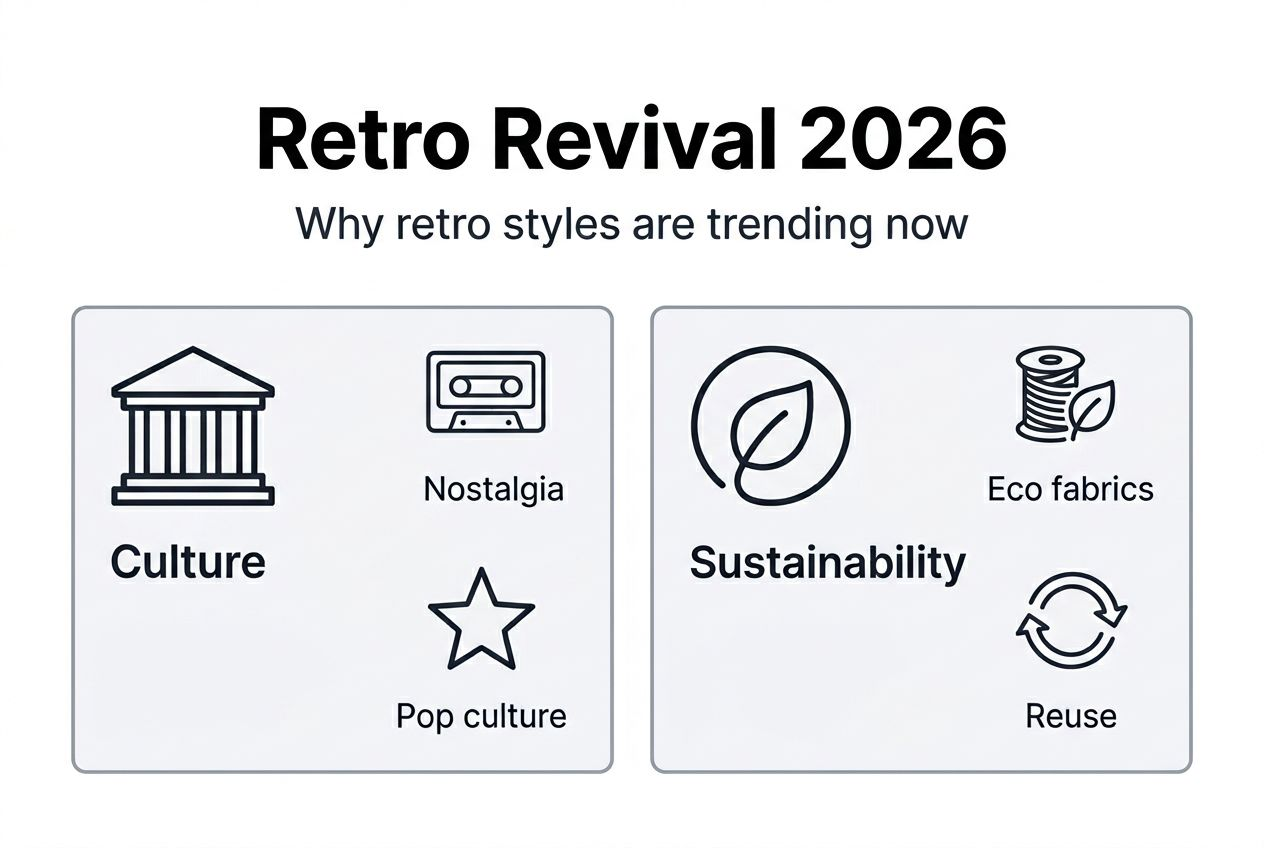
Nostalgia triggers powerful emotional responses that go beyond simple fondness for the past. It creates psychological comfort and connects us to cultural touchstones that shaped our identities. For young adults, retro fashion taps into childhood memories, media they consumed growing up, and a yearning for simpler times.
Social media platforms amplify this effect dramatically. Influencers showcase vintage and retro trend rediscovery through creative outfit remixes, making nostalgic styles accessible to millions instantly. TikTok and Instagram challenge traditional fashion cycles, allowing decade-spanning trends to coexist simultaneously.
Pop culture references strengthen retro’s appeal further. When your favorite streaming show features throwback designs, those aesthetics suddenly feel relevant again. Music artists, filmmakers, and content creators constantly mine past decades for inspiration, creating feedback loops that boost consumer demand.
What makes modern retro different from literal costume dressing? Contemporary designers update vintage silhouettes with modern tailoring to create familiar yet fresh looks. This careful balance keeps styles wearable for today’s lifestyle needs.
The history of retro t-shirts demonstrates how graphic apparel evolved from counterculture statements to mainstream wardrobe staples. These pieces communicate personality, humor, and cultural literacy through visual shorthand.
Key cultural drivers include:
- Emotional comfort from familiar aesthetics and shared memories
- Social media’s rapid trend dissemination and remix culture
- Pop culture mining past decades for fresh creative material
- Updated construction making nostalgic styles genuinely wearable
- Community building through shared nostalgic references
“Nostalgia blends classic shapes with modern tailoring to create familiar yet fresh looks that resonate with contemporary audiences.”
Learning to style retro hoodies shows how versatile these nostalgic pieces can be when paired thoughtfully with modern basics. The result feels intentional, not accidental.
Alongside these cultural forces, sustainability concerns also fuel retro and vintage fashion’s rising popularity.
The sustainability factor in retro fashion
Environmental awareness shapes purchasing decisions more than ever before. Vintage clothing significantly reduces environmental impact compared to new production by extending garment life cycles and preventing textile waste. Every vintage piece worn means one less item manufactured from scratch.
The fashion industry generates massive pollution through resource-intensive production processes. Vintage fashion reduces production waste and resource use by giving existing garments new purpose and owners. This circular approach cuts water consumption, chemical usage, and carbon emissions substantially.
Consumers increasingly demand transparency and ethics from brands. Companies incorporating retro aesthetics while using sustainable materials and fair labor practices attract loyalty from environmentally conscious shoppers. This alignment between style and values creates meaningful differentiation in crowded markets.
Choosing vintage tees over fast fashion alternatives makes tangible environmental impact when multiplied across thousands of consumers. Understanding why vintage tees matter helps shoppers connect personal style choices to broader ecological responsibility.
Sustainability motivations include:
- Extending clothing life cycles reduces manufacturing demand
- Decreasing textile waste heading to landfills
- Cutting water, chemical, and energy consumption
- Supporting ethical brands with retro-inspired sustainable lines
- Aligning personal values with wardrobe choices
Pro Tip: Check garment labels for fabric composition and production information. Ethically made retro pieces using organic or recycled materials offer style and sustainability simultaneously.
The environmental benefits add depth to retro fashion beyond mere aesthetic appeal. When your clothing choices reduce ecological harm while expressing creativity, you’ve achieved meaningful alignment.
Now let’s explore the specific retro styles from past decades that are making a big impact in 2026 fashion scenes.
Major retro aesthetics making a comeback in 2026
Different decades contribute distinct visual languages to today’s retro revival. Popular retro aesthetics in 2026 include 70s earth tones, 80s power silhouettes, 90s minimalism, and Y2K playful designs, each updated for contemporary wearability.
The 1970s aesthetic brings warm earth tones, flowing silhouettes, and bohemian ease. Flared trousers get slimmer cuts, while prairie dresses incorporate modern fabrics that actually breathe. This era’s free-spirited vibe translates beautifully to casual weekend wear.

Eighties fashion returns with structured blazers, bold shoulders, and confident silhouettes. Modern versions tone down extreme proportions while maintaining that era’s powerful presence. Think streamlined power dressing rather than literal shoulder pad excess.
Nineties minimalism offers clean lines, neutral palettes, and understated elegance. Slip dresses, straight-leg jeans, and simple tees feel refreshingly calm amid visual chaos. Updated fabrics and improved construction make these staples more durable than originals.
Y2K styles bring playful pastels, tech-inspired metallics, and nostalgic optimism. Low-rise jeans get higher rises for comfort, while butterfly motifs and chunky platforms return in wearable iterations. This era’s fun energy appeals strongly to Gen Z consumers.
| Decade | Key Elements | Modern Updates |
|---|---|---|
| 1970s | Earth tones, flares, bohemian flow | Slimmer cuts, breathable fabrics, versatile layering |
| 1980s | Power shoulders, bold colors, structured fits | Toned proportions, quality tailoring, refined silhouettes |
| 1990s | Minimalism, neutral palettes, clean lines | Improved fabrics, sustainable materials, timeless basics |
| Y2K | Pastels, metallics, playful graphics | Adjusted rises, quality construction, nostalgic details |
Designers creatively blend these references rather than copying them wholesale. Trending designs in 2026 fashion demonstrate how mixing decade influences creates fresh hybrid aesthetics that feel both familiar and innovative.
Styling strategies for each era:
- 70s: Pair earth-tone pieces with modern denim for grounded looks
- 80s: Balance structured tops with relaxed bottoms for proportion
- 90s: Layer minimal basics for effortless sophistication
- Y2K: Use playful accents sparingly to avoid costume territory
Pro Tip: Choose one decade as your primary aesthetic influence, then incorporate subtle elements from others to create signature style that feels uniquely yours.
With popular styles clarified, it’s important to address common misconceptions that might hold you back from embracing retro fashion.
Common misconceptions about retro fashion
Many people hesitate to try retro styles due to persistent myths about how they function in modern wardrobes. Let’s dismantle these barriers to entry.
First misconception: retro fashion equals costume dressing. Modern retro styles use updated tailoring and fabrics, making them genuinely wearable for contemporary lifestyles. The difference lies in thoughtful adaptation rather than literal reproduction.
Second myth: retro and vintage are identical categories. As we established earlier, retro imitates while vintage authenticates. This distinction affects everything from pricing to styling approaches to environmental impact.
Third misunderstanding: wearing retro means copying old looks exactly. Successful retro styling involves creative reinterpretation, not historical reenactment. You’re borrowing inspiration, not building museum displays.
Fourth fallacy: retro only works for certain body types or ages. Well-fitted retro pieces flatter diverse figures when chosen thoughtfully. Age relevance comes from confidence and styling skill, not birth year proximity to the reference decade.
Common myths debunked:
- Retro isn’t costume wear when updated properly
- Vintage and retro serve different purposes and markets
- Creative mixing beats exact historical copying
- Retro works across body types with proper fit
- Age doesn’t determine retro appropriateness
“Modern retro uses contemporary fabrics and construction to ensure pieces integrate seamlessly into everyday wardrobes rather than feeling like special occasion costumes.”
Understanding these truths liberates you to experiment confidently. Retro fashion rewards creativity and personal interpretation rather than rigid adherence to decade-specific rules.
Beyond myths, retro fashion serves as a powerful medium for personal identity and creative expression.
Retro style as a canvas for identity and creativity
Fashion communicates who you are before you speak a word. Retro pieces offer particularly rich vocabulary for self-expression because they carry cultural references that create instant connections with like-minded individuals.
Combining retro and modern pieces creates unique personal styles that reflect individual taste rather than slavish trend following. A vintage band tee paired with contemporary jeans tells a different story than the same tee with retro flares.
Graphic retro apparel especially sparks conversations and builds community. When someone recognizes the reference on your hoodie, that shared knowledge creates immediate rapport. These pieces function as social signals that attract your tribe.
For young adults navigating identity formation, retro fashion offers playful experimentation without permanent commitment. You can try different decade aesthetics, mix unexpected elements, and discover what resonates personally. The stakes feel lower than more serious identity markers.
Rocking retro t-shirt designs demonstrates how graphic apparel anchors outfits while broadcasting personality. These pieces work equally well dressed up or down, making them versatile expression tools.
Expression strategies include:
- Mixing decades to craft signature hybrid aesthetics
- Using graphics to communicate humor and cultural literacy
- Layering retro and modern for balanced, personal looks
- Choosing pieces that reflect genuine interests and references
- Building community through shared nostalgic touchstones
The retro tees style guide shows how these seemingly simple pieces offer endless styling possibilities. Creativity flourishes when you view clothing as communication medium rather than mere coverage.
Retro fashion ultimately celebrates individuality within collective cultural memory. You’re not following trends mindlessly but selecting elements that genuinely resonate with your identity and values.
To see these principles in action, let’s look at how ChillStitch aligns with and embodies these retro trends.
Brand connection: ChillStitch and retro design trends
ChillStitch perfectly exemplifies how modern brands can honor retro aesthetics while delivering contemporary quality and ethics. The company’s vintage-inspired graphics tap directly into the nostalgic currents driving 2026’s retro resurgence.
Every design balances throwback visual language with pop culture humor that feels immediately relevant. This dual appeal attracts fashion-forward individuals seeking both nostalgia and freshness in their wardrobes. The graphics spark recognition and conversation simultaneously.
Ethical fabric sourcing and quality printing demonstrate commitment to sustainability values that complement retro styling’s environmental benefits. When you choose thoughtfully produced retro-inspired pieces over fast fashion alternatives, you’re making meaningful impact.
The brand’s offerings resonate particularly with 18-35 demographics who grew up immersed in the pop culture references these designs celebrate. Pieces like the Tree of Life Blues Hoodie and Trippy Hippie Sunglasses Sweatshirt blend retro aesthetics with wearable comfort.
ChillStitch’s alignment with retro trends:
- Vintage-inspired graphics honoring classic aesthetics
- Pop culture references creating instant connection
- Ethical production supporting sustainability values
- Quality construction ensuring longevity
- Designs facilitating self-expression and community
This approach transforms clothing from mere products into conversation starters and identity markers. The brand understands that modern consumers want style with substance, nostalgia with innovation.
With a clear picture of the trend and brand, here’s how you can incorporate retro designs confidently into your wardrobe.
Bringing retro designs into your wardrobe: practical tips
Starting your retro journey doesn’t require wardrobe overhaul or expert styling knowledge. These practical strategies help you integrate nostalgic pieces authentically and confidently.
-
Begin with one statement retro piece like a graphic tee or earth-tone jacket. Let this anchor your outfit while keeping other elements simple and modern.
-
Mix retro garments with minimalist contemporary basics for visual balance. Vintage jeans pair beautifully with plain white tees, while retro hoodies work over modern joggers.
-
Use accessories strategically to incorporate subtle retro hints without committing fully. A vintage-inspired hat or retro sunglasses adds nostalgic flavor to otherwise contemporary outfits.
-
Experiment with layering to blend eras creatively. A 90s slip dress over a modern turtleneck creates interesting tension between decades while remaining wearable.
-
Prioritize fit and quality over strict era accuracy. Well-fitted retro pieces that flatter your body feel intentional, while poorly fitted ones read costume-like regardless of authenticity.
-
Start with 70s earth tones as versatile staples that integrate easily into existing wardrobes without dramatic style shifts.
The retro hoodies styling tips guide demonstrates how one versatile piece works across multiple outfit formulas. This efficiency makes retro accessible even on limited budgets.
Pro Tip: Focus on quality construction and proper fit rather than quantity. Three well-made retro pieces you actually wear beat ten poorly fitting ones gathering dust. Investment in quality pays dividends in longevity and style satisfaction.
Avoid the costume trap by ensuring retro elements integrate naturally rather than dominating entirely. Think accent rather than theme park. Your goal is expressing personal style, not recreating historical periods.
Having these styling strategies, you’re ready to enjoy retro designs as authentic expressions of your style and values.
Discover ChillStitch’s retro-inspired apparel
Ready to explore retro fashion that aligns with your values? ChillStitch blends nostalgic graphics with ethical production and quality craftsmanship, creating apparel that sparks genuine connection.
Our vintage-inspired hoodies and tees channel pop culture humor and throwback aesthetics while using responsibly sourced fabrics. Each design invites conversation and celebrates creative self-expression without compromising comfort or sustainability.
Explore pieces like the Tree of Life Blues Hoodie, Trippy Hippie Sunglasses Sweatshirt, or Tree of Life Watercolor Hoodie that blend retro vibes with contemporary wearability. These aren’t just clothes; they’re statements about who you are and what you value.
Now, let’s answer some common questions to further ease your journey into retro fashion.
FAQ
What’s the difference between retro and vintage fashion?
Retro refers to newly made clothing that imitates styles from previous decades, while vintage consists of authentic garments actually produced in those past eras. Retro clothing blends nostalgic aesthetics with modern construction, whereas vintage pieces are original historical artifacts. This distinction affects both styling approaches and environmental impact, as vintage extends existing garment life cycles while retro creates new items inspired by old designs.
How does retro fashion support sustainability?
Vintage clothing significantly reduces environmental impact by giving existing garments new life rather than requiring fresh production. Choosing vintage pieces cuts water consumption, chemical usage, and carbon emissions associated with manufacturing. Even newly produced retro styles can support sustainability when brands use ethical fabrics and responsible production methods, offering style-conscious consumers environmentally friendlier alternatives to fast fashion.
Is retro fashion just costume dressing?
Modern retro fashion involves thoughtful reinterpretation with contemporary fabrics, updated tailoring, and wearable proportions rather than literal historical recreation. Vintage fashion guides emphasize how successful retro styling integrates nostalgic elements into everyday wardrobes naturally. The key difference lies in adaptation for current lifestyles versus costume accuracy for themed events or performances.
How can I start wearing retro styles confidently?
Begin with one statement retro piece paired with modern basics to maintain visual balance and avoid costume territory. Styling retro hoodies demonstrates how versatile nostalgic pieces work across outfit formulas. Focus on proper fit and quality construction to ensure retro elements feel intentional rather than accidental, and experiment gradually to discover which decade aesthetics resonate most authentically with your personal style.
Recommended
- Trending Designs 2025: Vintage Nostalgia Meets Bold Tech – ChillStitchApparel
- Minimalist Streetwear 2026: 40% Surge in Ethical Style – ChillStitchApparel
- 2025 Trends in Graphic Wear: Expression and Impact – ChillStitchApparel
- History of Retro T-Shirts: Shaping Pop Culture Expression – ChillStitchApparel
- 7 Game-Changing 2025 Marketing Trends for Aussie Businesses - Jarrod Harman