

Choosing a bold graphic tee is more than just a style move for pop culture fans and retro lovers. Today, every t-shirt, hoodie, or vintage sweater acts as a statement piece and a silent storyteller, revealing hints of identity and cultural pride. With growing attention to ethically sourced clothing, shopping becomes about more than a quick trend—it is a way to spark conversations, embrace nostalgia, and wear your values for the world to see.
Table of Contents
- Defining The Role Of Story In Apparel
- Distinct Types Of Apparel Storytelling
- Key Elements Of Apparel Narratives
- Story’s Impact On Identity, Culture, And Community
- Risks, Pitfalls, And Ethical Storytelling
Key Takeaways
| Point | Details |
|---|---|
| Apparel as Storyteller | Clothing serves as a medium for personal and cultural narratives that express identity and social belonging. |
| Types of Storytelling | Key forms include nostalgic references, biographical expressions, cultural representations, and subcultural indicators. |
| Ethical Responsibilities | Brands must navigate risks like cultural appropriation and greenwashing by ensuring authenticity and respect in their narratives. |
| Impact on Community | Apparel storytelling fosters cultural preservation and strengthens connections within communities while reflecting individual identities. |
Defining the Role of Story in Apparel
Clothing represents far more than fabric draped over our bodies. It is a powerful narrative medium that communicates complex stories about identity, culture, and personal expression. Traditional clothing embodies cultural narratives that transcend mere utility, functioning as a dynamic form of silent communication.
At its core, apparel storytelling operates through several key mechanisms:
- Symbolic Representation: Clothing serves as a visual language where patterns, colors, and designs communicate social status, personal beliefs, and cultural heritage
- Historical Encoding: Garments carry embedded memories and experiences from specific communities and time periods
- Personal Narrative: Individual clothing choices become statements of personal identity, rebellion, belonging, or aspiration
Apparels transform from passive objects into active storytellers. Clothing functions as a medium for negotiating personal identities, allowing wearers to craft and broadcast nuanced messages about who they are and what they value.

This storytelling isn’t just metaphorical - it’s deeply psychological. When someone selects a graphic tee with a vintage movie reference or a hoodie with a witty slogan, they’re not just choosing clothing. They’re curating a narrative, inviting conversation, and signaling membership in specific cultural tribes.
Pro tip: Pay attention to the stories your clothing tells - they reveal more about your identity than you might initially realize.
Distinct Types of Apparel Storytelling
Apparel storytelling isn’t a monolithic concept but a dynamic landscape with multiple narrative approaches. Graphic apparel connects personal experiences through carefully curated visual languages that speak volumes about individual identity and cultural belonging.
The primary types of apparel storytelling include:
- Nostalgic Narrative: Clothing that references historical moments, pop culture eras, or generational experiences
- Biographical Storytelling: Garments that directly communicate personal beliefs, values, or life philosophies
- Cultural Encoding: Apparel that represents heritage, community traditions, and shared social identities
- Subculture Signaling: Clothing choices that indicate membership in specific social or interest groups
Each storytelling type operates as a sophisticated communication method. When someone chooses a vintage band t-shirt or a hoodie with a clever social commentary, they’re not just selecting an outfit. They’re crafting a complex personal narrative that invites interpretation and connection.
Here’s a quick comparison of the major apparel storytelling types and their unique impacts:
| Storytelling Type | Distinctive Aspect | Potential Impact |
|---|---|---|
| Nostalgic Narrative | References past trends and moments | Fosters connection, evokes emotion |
| Biographical Storytelling | Expresses individual values and beliefs | Encourages authenticity, inspires others |
| Cultural Encoding | Represents heritage and tradition | Strengthens community ties |
| Subculture Signaling | Identifies group membership | Builds belonging, signals values |
The power of apparel storytelling lies in its ability to transcend verbal communication. A single graphic or slogan can instantly communicate nuanced emotions, political stances, humor, or deep personal experiences without saying a word.
Pro tip: Choose clothing that genuinely reflects your inner narrative, not just trends.
Key Elements of Apparel Narratives
Apparel narratives are complex communication systems that extend far beyond simple fabric and design. Cultural symbolism shapes apparel storytelling through intricate layers of meaning that connect personal identity with broader social contexts.
The fundamental elements of apparel narratives include:
- Origin Stories: The historical and cultural background of design inspirations
- Material Consciousness: Sustainability practices and ethical production processes
- Personal Symbolism: Individual emotional connections and biographical meanings
- Social Commentary: Embedded messages about cultural values, political perspectives, and collective experiences
These narrative elements work together to transform clothing from mere physical coverings into powerful communication tools. When someone chooses a specific garment, they’re not just selecting an outfit - they’re curating a complex personal statement that speaks volumes about their identity, beliefs, and social connections.
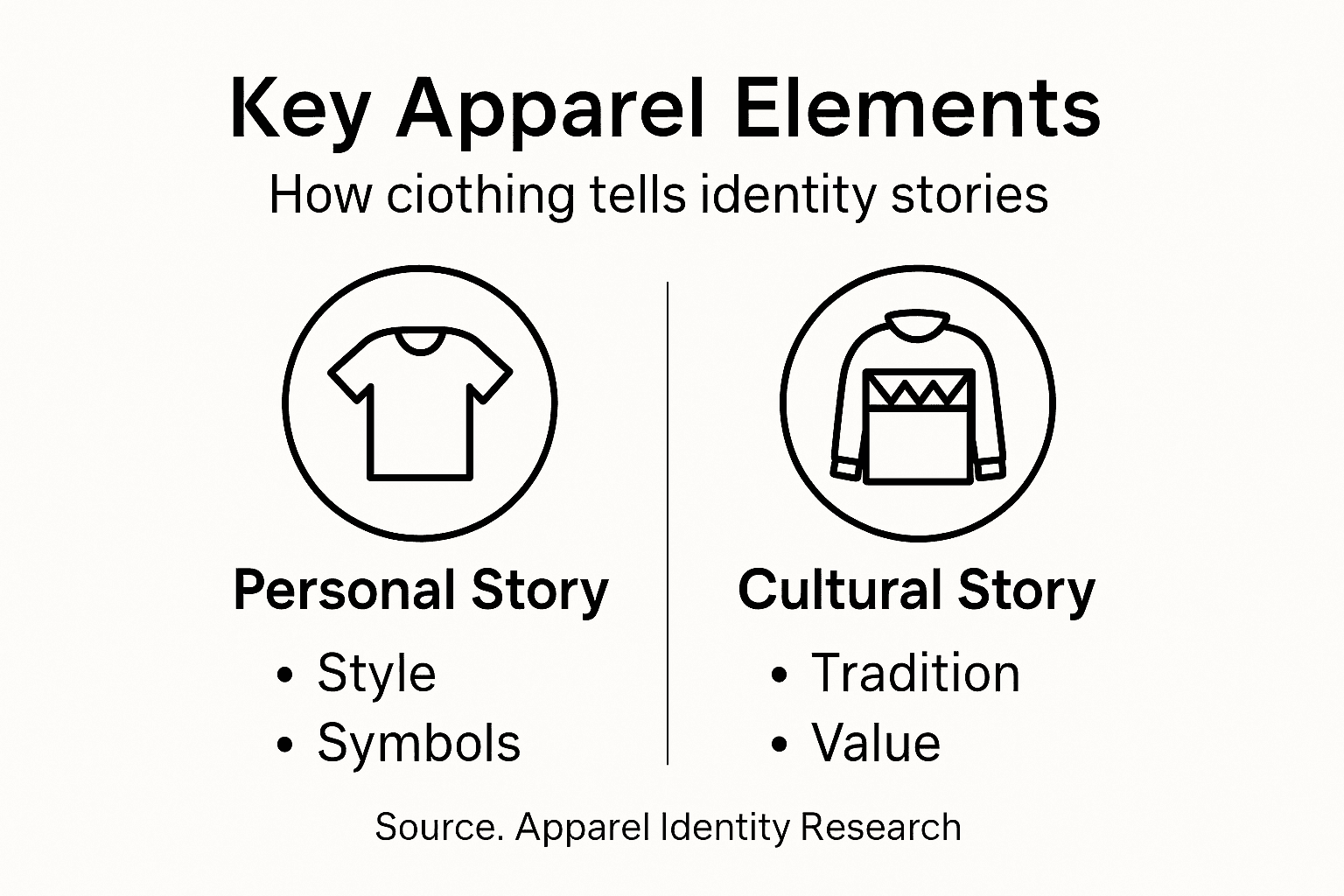
Modern apparel narratives increasingly emphasize ethical production and environmental impact, reflecting a growing consumer desire for transparency and meaningful consumption. Brands that successfully integrate these deeper narratives create more than just clothing - they craft experiences that resonate with conscious consumers seeking genuine connection.
Pro tip: Look beyond the surface of your clothing and explore the rich stories woven into every thread.
Story’s Impact on Identity, Culture, and Community
Clothing transcends mere fabric, emerging as a powerful medium for cultural dialogue and personal expression. Traditional clothing stories preserve cultural heritage by communicating complex narratives about collective identity and individual belonging.
The profound impact of apparel storytelling manifests through several key dimensions:
- Cultural Preservation: Maintaining historical traditions and communal memories
- Social Signaling: Communicating group affiliations and personal values
- Collective Memory: Embedding generational experiences within textile narratives
- Identity Negotiation: Allowing individuals to explore and express multifaceted self-perceptions
These narrative dimensions demonstrate how sustainable apparel strategies support community well-being beyond mere aesthetic considerations. Clothing becomes a living document of social experiences, bridging personal histories with broader cultural contexts.
Modern apparel narratives are dynamic ecosystems where individual expression meets collective consciousness. Through carefully crafted designs, fabrics, and graphic representations, clothing transforms into a nuanced language of identity - speaking volumes without uttering a single word.
Pro tip: Choose clothing that tells your story authentically and connects you to your community.
Risks, Pitfalls, and Ethical Storytelling
Apparel storytelling carries significant ethical responsibilities that extend far beyond aesthetic considerations. Textile industry faces complex ethical challenges in crafting narratives that genuinely respect cultural contexts and consumer experiences.
The primary ethical risks in apparel storytelling include:
- Cultural Appropriation: Misrepresenting or exploiting cultural designs without proper understanding or respect
- Misrepresentation: Creating inaccurate or stereotypical narratives about communities
- Greenwashing: Making misleading claims about sustainability and ethical production
- Tokenism: Using diversity and inclusion as marketing strategies without genuine commitment
Ethical storytelling demands transparent, responsible approaches that prioritize authenticity and respect. Brands must move beyond surface-level representations, engaging deeply with the communities and cultural traditions that inspire their designs.
To help you understand ethical issues in apparel storytelling, here’s a summary of risks and required actions:
| Ethical Risk | Why It Matters | Responsible Action |
|---|---|---|
| Cultural Appropriation | Can cause harm and disrespect | Engage with source communities |
| Misrepresentation | Spreads inaccurate ideas | Research and verify narratives |
| Greenwashing | Misleads conscious buyers | Provide transparent disclosures |
| Tokenism | Reduces inclusion to marketing | Commit to authentic representation |
Navigating these ethical landscapes requires ongoing commitment, self-reflection, and genuine dialogue. Successful apparel narratives emerge from a place of mutual understanding, where design becomes a collaborative expression of shared human experiences rather than a one-sided commercial transaction.
Pro tip: Always research and consult with cultural representatives before incorporating design elements from communities not your own.
Express Your Story Through Apparel That Speaks
The article highlights how clothing tells personal and cultural stories, shaping identity through symbolic representation and nostalgic narratives. If you have ever struggled to find apparel that genuinely reflects your unique story and values without falling into greenwashing or cultural misrepresentation, you are not alone. Real expression requires more than trends – it demands authenticity, humor, and heart.
At ChillStitch.com, we embrace the power of apparel storytelling with tees, hoodies, and sweatshirts crafted to spark conversation and connection. Our vintage-inspired graphics and clever slogans serve as your personal narrative — making your style a statement of who you are. Every piece is printed on ethically sourced fabric so you can wear your story with pride and integrity. Discover how your wardrobe can become “Clothes That Talk Back” and “Say It Loud. Wear It Proud.” Visit ChillStitch to find your perfect expression today.
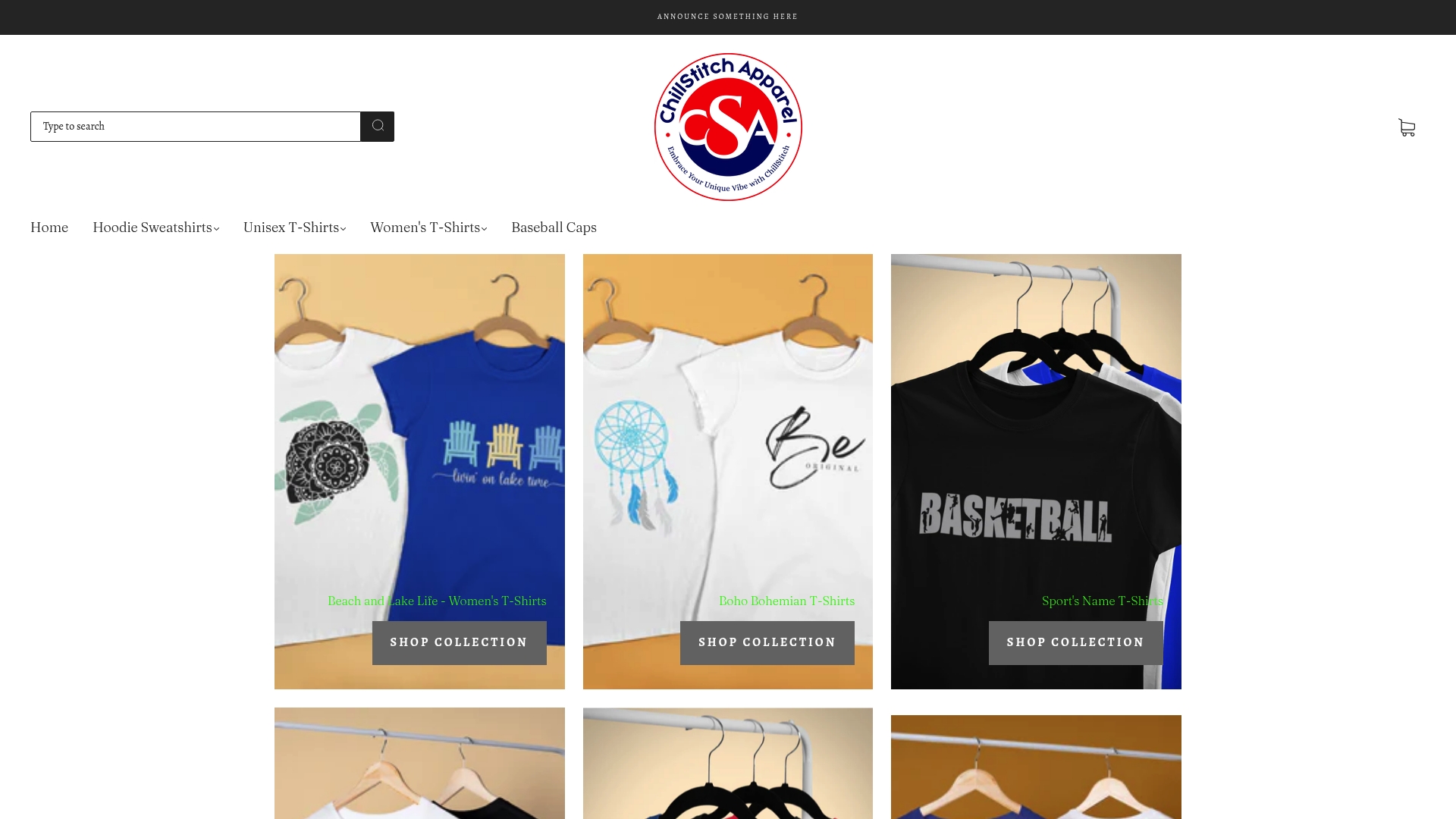
Start showcasing your identity through clothing designed for connection and authenticity. Explore our thoughtfully curated collections at ChillStitch.com and join a community where humor, style, and nostalgia come together to tell true stories. Don’t wait to turn your apparel into a powerful conversation starter.
Frequently Asked Questions
What are the different types of apparel storytelling?
The primary types of apparel storytelling include nostalgic narrative, biographical storytelling, cultural encoding, and subculture signaling. Each type allows individuals to express identity and affiliations through clothing choices.
How does clothing act as a medium for personal expression?
Clothing serves as a form of storytelling that allows individuals to curate their narratives, reflecting personal values, cultural heritage, and social affiliations. This expression invites conversation and connection with others.
Why is ethical storytelling important in apparel?
Ethical storytelling is crucial as it ensures that cultural designs are respected and accurately represented. It helps prevent issues like cultural appropriation, greenwashing, and tokenism, promoting authenticity and responsibility in the fashion industry.
How can I choose clothing that reflects my identity?
Select garments that genuinely resonate with your personal experiences, beliefs, and values. Look beyond trends and focus on pieces that tell your unique story and connect you with your community.
Recommended
- Why Words Matter on Clothes – Identity, Humor, Connection – ChillStitchApparel
- Role of Design in Self-Expression: Identity, Humor, and Connection – ChillStitchApparel
- Creativity in Clothing Design: Why It Matters – ChillStitchApparel
- What Makes Clothing Art: Identity, Humor, and Expression – ChillStitchApparel
- Dr. Squatch: Viral Marketing and Brand Building - Ads Daddy.
- Sweatshop Conditions in LA’s Fashion District: You Need To Know This