

Creative individuals searching for clothing that reflects their personality face a challenge: most brands prioritize transactions over authentic connection. Heart-driven branding solves this by centering emotional values like humor, nostalgia, and ethics to build lasting relationships. Research shows 64% of consumers prioritize shared values when choosing brands. This guide explains how emotional storytelling, playful design, and sustainable practices transform fashion brands into communities.
Table of Contents
- Understanding Heart-Driven Branding
- The Role Of Humor, Nostalgia, And Pop Culture In Branding
- Ethical And Sustainable Branding As A Differentiator
- Common Misconceptions About Heart-Driven Branding
- A Practical Framework For Applying Heart-Driven Branding
- Building Community And Engaging Customers Through Heart-Driven Branding
- Explore Heart-Driven Clothing Styles At Chill Stitch
Key takeaways
| Point | Details |
|---|---|
| Emotional connection drives loyalty | Heart-driven branding creates authentic relationships beyond transactions through storytelling and shared values. |
| Humor and nostalgia boost engagement | These elements increase brand recall by 35% and make apparel memorable for target audiences. |
| Ethics differentiate modern brands | Consumers pay 20-30% premiums for sustainable, ethically sourced fashion that aligns with their beliefs. |
| Authenticity beats superficial marketing | Misconceptions include viewing heart-driven branding as hype rather than consistent value alignment. |
| Structured frameworks drive growth | Applying clear steps combining storytelling, ethics, and community builds measurable sales and engagement. |
Understanding heart-driven branding
Heart-driven branding centers on authentic emotional values rather than transactional relationships. It uses storytelling to create meaningful connections with audiences who seek clothing that reflects their identity and beliefs.
Traditional branding focuses on product features and price points. Heart-driven approaches prioritize long-term loyalty by aligning with personal values. When brands share authentic stories about their creative process, ethical sourcing, or cultural inspirations, they invite customers into a community rather than a simple purchase.
Consumers increasingly seek brands reflecting their worldview. 64% prioritize shared values for brand loyalty, making emotional alignment a competitive advantage. This shift transforms clothing from commodities into canvases for self-expression.
Core principles include:
- Authentic emotional drivers aligned with brand identity
- Storytelling that connects personal values with design choices
- Consistent messaging across products and communications
- Community building through shared cultural references
- Transparency in sourcing and production practices
The difference shows in customer relationships. Transactional brands attract bargain hunters. Heart-driven brands attract advocates who wear products as identity statements. Community-driven apparel exemplifies this shift, where customers become collaborators in shaping brand narratives.
This foundation transforms how fashion brands connect. Rather than chasing trends, heart-driven companies build lasting relevance through emotional resonance and authentic expression.
The role of humor, nostalgia, and pop culture in branding
Humor makes brands memorable and approachable. Studies reveal humor increases consumer engagement by 48% because it triggers positive emotions and social sharing. Witty graphics and playful slogans turn clothing into conversation starters.
Nostalgia creates powerful emotional anchors. Younger consumers especially respond to throwback imagery that evokes shared cultural memories. This element works because it combines familiarity with fresh interpretation, making vintage-inspired designs feel both comforting and current.
Pop culture references establish cultural relevance instantly. Research shows pop culture increases brand recall by 35% by tapping into collective experiences. References to classic movies, retro aesthetics, or iconic moments create immediate recognition and connection.
The key lies in authentic application. Forced humor feels desperate. Overused nostalgia becomes cliché. Excessive pop culture references risk appearing derivative. Balance requires understanding your audience deeply and choosing elements that genuinely align with brand values.
Effective strategies include:
- Testing humor with diverse focus groups to ensure inclusivity
- Selecting nostalgic elements that resonate across demographics
- Choosing pop culture references with lasting cultural significance
- Layering subtle nods alongside bold statements for varied appeal
- Refreshing references regularly to maintain cultural relevance
| Element | Engagement Impact | Best Application |
|---|---|---|
| Humor | 48% increase | Witty slogans, playful graphics on everyday pieces |
| Nostalgia | Higher purchase intent | Vintage-inspired designs, throwback color palettes |
| Pop Culture | 35% better recall | Movie references, iconic imagery, retro typography |
Pro Tip: Layer multiple emotional drivers in single designs. A hoodie combining nostalgic imagery with humorous text and pop culture colors creates deeper connection than any element alone.
Funny hoodie trends demonstrate how humor transforms basic apparel into statement pieces. Similarly, slogan tees show how concise messaging creates instant emotional resonance. Playful graphics clothing combines all three elements for maximum impact.
These emotional drivers work because they transform wearing clothes into an act of self-expression and cultural participation.
Ethical and sustainable branding as a differentiator
Ethical sourcing and sustainability distinguish modern fashion brands in crowded markets. Conscious consumers actively seek companies aligning production with their values, making ethics a competitive advantage rather than optional feature.

Transparency builds trust. When brands openly share sourcing practices, production conditions, and environmental impact, they demonstrate authenticity that resonates deeply. Research indicates consumers pay 20-30% premiums for ethical brands, proving values translate to financial support.
Sustainability meets growing demand for responsible consumption. Modern shoppers recognize fashion’s environmental footprint and reward brands minimizing harm through thoughtful material choices and production methods. This alignment strengthens loyalty beyond product quality alone.
Financial benefits accompany ethical practices. Brands investing in sustainable sourcing often see improved customer retention, higher average order values, and stronger word-of-mouth marketing. Customers become advocates when they believe in company values.
Key ethical differentiators include:
- Transparent supply chain documentation accessible to customers
- Sustainable fabric choices balancing quality with environmental impact
- Fair labor practices ensuring dignified working conditions
- Honest communication about ongoing sustainability improvements
- Community investment demonstrating commitment beyond profit
Authenticity matters most. Greenwashing or superficial ethical claims damage trust permanently. Successful brands acknowledge imperfections while demonstrating genuine progress toward sustainability goals.
Self-expression clothing shows how ethical practices enhance rather than compromise creative design. Quality materials sourced responsibly often produce superior products that express identity more effectively than fast fashion alternatives.
This differentiation creates lasting competitive advantage as consumer values continue evolving toward conscious consumption.
Common misconceptions about heart-driven branding
Many dismiss heart-driven branding as superficial marketing hype rather than substantive strategy. This misconception misses how authentic emotional connection requires deep consistency across every customer touchpoint, not clever advertising alone.
Authenticity forms the foundation. Surface-level emotional appeals without genuine value alignment create cynicism and backlash. Heart-driven branding requires deep authenticity, not superficial marketing tactics. Customers quickly detect inconsistency between messaging and action.
Humor demands cultural sensitivity. While wit engages audiences, insensitive jokes alienate and damage reputation. Brands must ensure humor uplifts rather than marginalizes, requiring careful consideration of diverse perspectives and experiences.
Pop culture overuse risks appearing derivative. Constant references without original perspective make brands seem like followers rather than leaders. Balance requires mixing cultural touchpoints with unique brand voice and fresh creative interpretation.
Common pitfalls include:
- Adopting emotional messaging without aligning internal practices
- Using humor that excludes or offends portions of target audience
- Chasing trending references without strategic brand fit
- Neglecting cultural sensitivity in nostalgic or pop culture selections
- Failing to update emotional drivers as audience values evolve
Heart-driven branding succeeds when emotional appeals reflect genuine company values and customer relationships, not when borrowed as trendy marketing tactics.
Pro Tip: Test emotional messaging with diverse customer segments before broad rollout. What resonates with one demographic might alienate another, and inclusive design strengthens overall brand appeal.
Brands fail when they view heart-driven approaches as marketing overlays rather than fundamental business philosophy. Success requires embedding emotional values into product development, customer service, sourcing decisions, and every interaction point.
This clarification helps brands avoid common mistakes and build genuinely resonant emotional connections.
A practical framework for applying heart-driven branding
Implementing heart-driven branding requires structured steps combining storytelling, emotional drivers, ethics, and community engagement. This framework transforms abstract concepts into actionable strategy.
-
Identify authentic emotional drivers aligned with brand values. Analyze what your company genuinely stands for beyond products. Consider founding stories, creative inspirations, and values that motivated starting the business. These become emotional touchpoints for customer connection.
-
Integrate drivers into clothing design and storytelling. Translate identified values into visual design, product descriptions, and brand narratives. If nostalgia drives your brand, incorporate vintage-inspired graphics and throwback color palettes. If humor matters, develop witty slogans reflecting authentic brand personality.
-
Implement transparent ethical and sustainable practices. Research sustainable fabric options, vet suppliers for fair labor practices, and document your supply chain. Share this information openly with customers, acknowledging both achievements and ongoing challenges.
-
Build community through engagement and interactive platforms. Create spaces for customers to share how products express their identity. Use social media to foster conversations beyond transactions. Invite customer input on design directions and celebrate their creative styling.
Brands following this framework achieve measurable results. Case studies show companies combining storytelling, emotional integration, and ethics achieve 60% sales increases alongside stronger customer loyalty and advocacy.
| Framework Step | Key Actions | Expected Outcome |
|---|---|---|
| Identify Drivers | Values audit, customer research, brand story analysis | Clear emotional positioning |
| Integrate Design | Visual identity, product storytelling, consistent messaging | Cohesive brand expression |
| Implement Ethics | Sustainable sourcing, transparency, fair practices | Trust and differentiation |
| Build Community | Engagement platforms, customer collaboration, social interaction | Loyalty and advocacy |
Pro Tip: Start with one emotional driver and master it before layering additional elements. Depth beats breadth when building authentic connections.
Design in self-expression demonstrates how intentional creative choices strengthen emotional resonance. Each design decision should reinforce identified emotional drivers rather than dilute brand message.
This structured approach transforms heart-driven branding from aspiration into implemented reality with measurable business impact.
Building community and engaging customers through heart-driven branding
Heart-driven branding cultivates community feeling that transcends individual purchases. When customers connect emotionally with brand values, they join a collective identity rather than simply buying products.
Emotional connection drives engagement metrics. Data shows heart-driven brands increase engagement by 40% through authentic storytelling and shared values. Customers interact more frequently, spend longer exploring content, and participate actively in brand conversations.
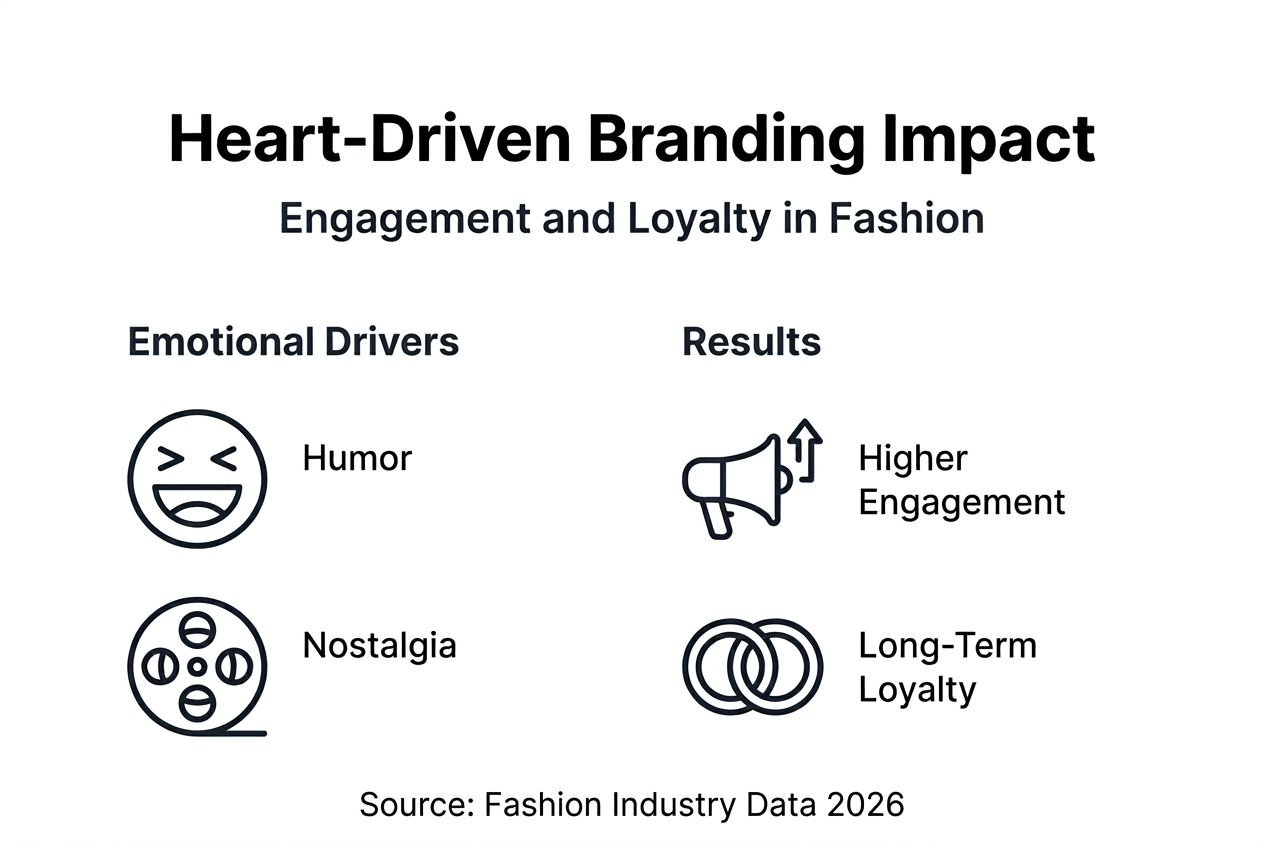
Authenticity encourages higher spending. The same research reveals customers spend 2.5 times more with brands they emotionally trust. This increased investment reflects perceived value beyond product quality alone, encompassing identity expression and values alignment.
Social advocacy amplifies reach. Community members voluntarily share products, tag brands in personal content, and recommend to friends because wearing items signals belonging to valued communities. This organic marketing proves more effective than paid advertising.
Community engagement strategies include:
- Creating dedicated spaces for customer stories and styling inspiration
- Featuring customer content prominently in marketing materials
- Hosting interactive events connecting community members
- Soliciting design input and collaboration opportunities
- Recognizing and celebrating diverse expressions of brand identity
Long-term loyalty develops from community belonging. Customers remain engaged through life changes and style evolution when emotional connection runs deeper than product preference. They view brands as ongoing relationships rather than transactional vendors.
Expressive graphics facilitate community building by providing visual language for shared identity. When customers recognize fellow community members through distinctive design elements, they experience instant connection.
This community foundation transforms customers into advocates, collaborators, and lifelong supporters who actively participate in brand evolution.
Explore heart-driven clothing styles at Chill Stitch
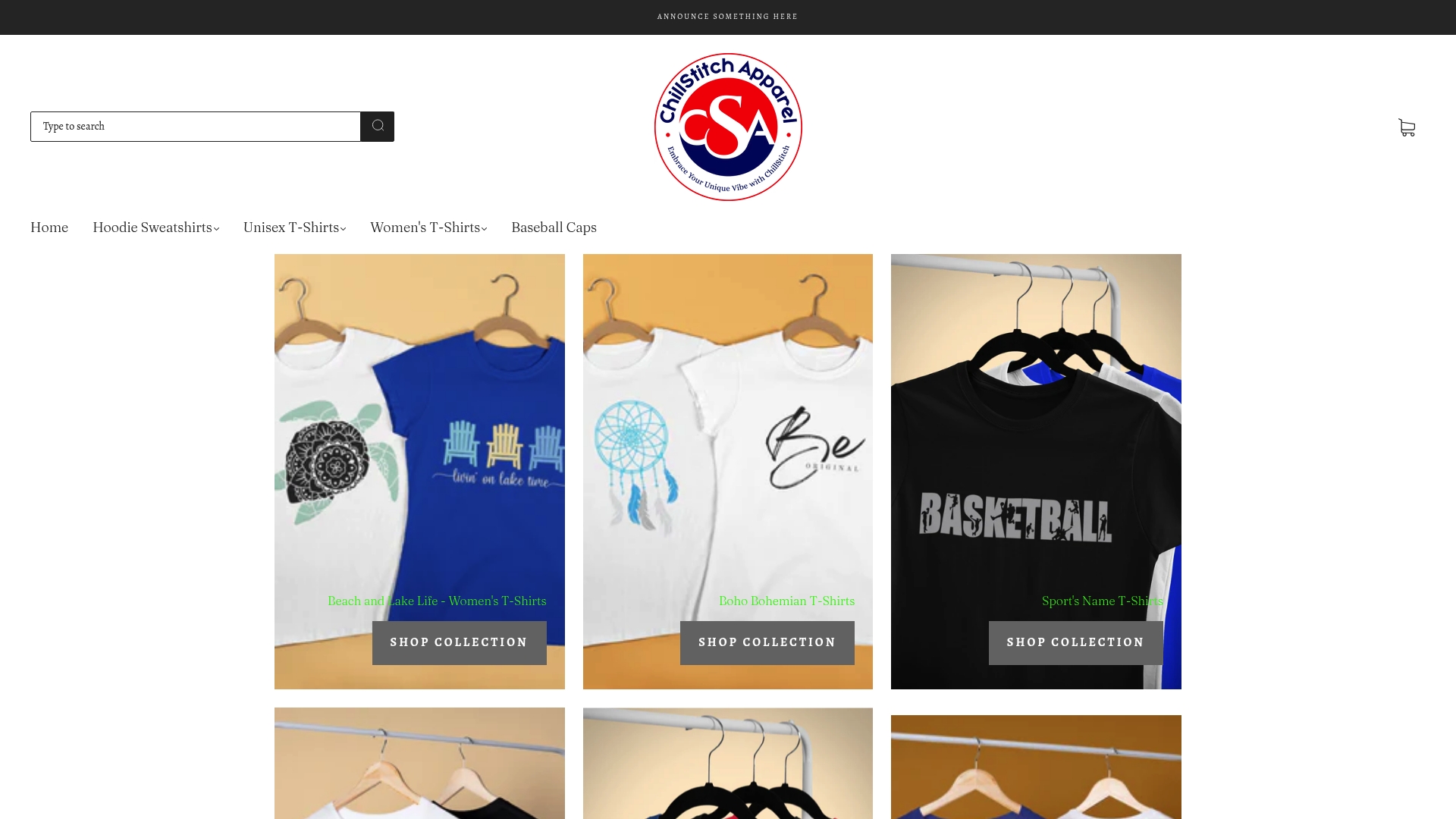
Chill Stitch embodies heart-driven branding through clothing combining nostalgia, humor, and ethical sourcing. Each design reflects authentic values, inviting you to express your vibe through vintage-inspired graphics and pop culture playfulness.
Our retro sunset rays hoodie captures nostalgic aesthetics with modern comfort, while the tree of life blues hoodie blends cultural symbolism with wearable art. Every piece starts conversations and builds connections.
Printed on ethically sourced fabrics, ChillStitch apparel delivers integrity alongside creativity. Explore collections designed to make you laugh, remember, and connect with others who share your cultural references and values.
Frequently asked questions
What is heart-driven branding?
Heart-driven branding creates authentic emotional connections by aligning company values with customer beliefs through storytelling, humor, nostalgia, and ethics. Unlike transactional approaches focusing on features and price, it builds long-term loyalty through shared identity and community belonging. Community-driven apparel exemplifies this approach by making customers collaborative partners.
How can humor be used effectively in clothing branding?
Effective humor aligns with brand personality while remaining culturally sensitive and inclusive. Test jokes with diverse audiences to ensure wit uplifts rather than offends. Balance playful elements with authentic messaging so humor enhances rather than overshadows core values. Everyday wit apparel shows how clever design creates connection without alienating audiences.
Why is ethical sourcing important for fashion brands?
Ethical sourcing meets growing consumer demand for responsible production while building lasting trust. Modern shoppers actively seek brands minimizing environmental impact and ensuring fair labor practices. Transparent ethical commitments differentiate brands in competitive markets and justify premium pricing. Self-expression ethical apparel demonstrates how sustainability enhances rather than compromises creative design.
What mistakes should be avoided in heart-driven branding?
Avoid using humor insensitively or without considering diverse perspectives, as this alienates audiences and damages reputation. Balance pop culture references with original creativity to prevent appearing derivative or trend-chasing. Never adopt emotional messaging superficially without aligning internal practices, as customers quickly detect inconsistency. Funny hoodie trends shows how thoughtful design maintains authenticity while embracing playfulness.