

Your clothes are talking right now. Before you say a single word, your outfit has already told the room something about who you are, what you find funny, and what you care about. Research on enclothed cognition shows that clothing with symbolic meaning actually shapes your psychological state and behavior when you wear it. That means the right graphic tee or retro hoodie isn’t just a style choice. It’s a tool for identity, mood, and genuine human connection.
Table of Contents
- What are expressive clothes and why do they matter?
- The science: How expressive clothing influences mood and self-perception
- Humor and nostalgia: Expressive clothes that spark conversation
- Honest risks and the art of balance: Navigating expressive fashion in real life
- How to start: Practical tips for choosing expressive clothes
- Ready to express yourself? Discover your next conversation-starter
- Frequently asked questions
Key Takeaways
| Point | Details |
|---|---|
| Expressive clothes empower identity | Expressive outfits help communicate who you are and make your personality visible to others. |
| Boost mood and social connection | What you wear can positively affect your confidence, happiness, and ability to connect with others. |
| Balance expression with context | Choosing expressive clothes thoughtfully helps avoid common pitfalls and maximizes personal comfort. |
| Start simple, stay authentic | Begin with meaningful graphics or colors and build your expressive wardrobe at your own pace. |
What are expressive clothes and why do they matter?
Expressive clothes are outfits that go beyond color coordination or seasonal trends. They carry a message, a memory, or a mood. Think of a hoodie printed with a cult-film quote, a sweatshirt featuring a vintage cartoon, or a tee with a pun so bad it’s brilliant. These pieces do something ordinary clothes can’t: they speak for you before you do.
Expressive fashion works as a social signal. When someone spots a graphic that resonates with them, it creates an instant bridge. You haven’t spoken yet, but you’ve already found common ground. That’s the quiet power of defining pop culture clothing and understanding why it matters beyond aesthetics.
Here are the most common types of expressive clothing you’ll encounter:
- Funny graphic tees with puns, memes, or absurdist humor
- Retro hoodies featuring throwback logos, cartoons, or vintage imagery
- Pop culture sweatshirts referencing movies, music, or TV moments
- Slogan tees that say exactly what you’re thinking
- Nostalgia-driven prints that tap into shared generational memories
The psychological impact of fashion is well documented, and expressive pieces sit at the top of that impact scale. They don’t just reflect who you are. They actively reinforce it.
“Clothing is a canvas for identity. The right piece doesn’t just cover your body. It broadcasts your world.”
If you’re curious about ethical graphic apparel and how quality production plays into this, that’s a conversation worth having too.
The science: How expressive clothing influences mood and self-perception
Here’s where it gets genuinely fascinating. Enclothed cognition is the psychological principle that what you wear changes how you think and feel. It’s not just about looking good. It’s about becoming more of who you want to be. Wearing a shirt that makes you laugh actually puts you in a lighter, more approachable headspace. Wearing something that signals confidence tends to make you act more confidently.
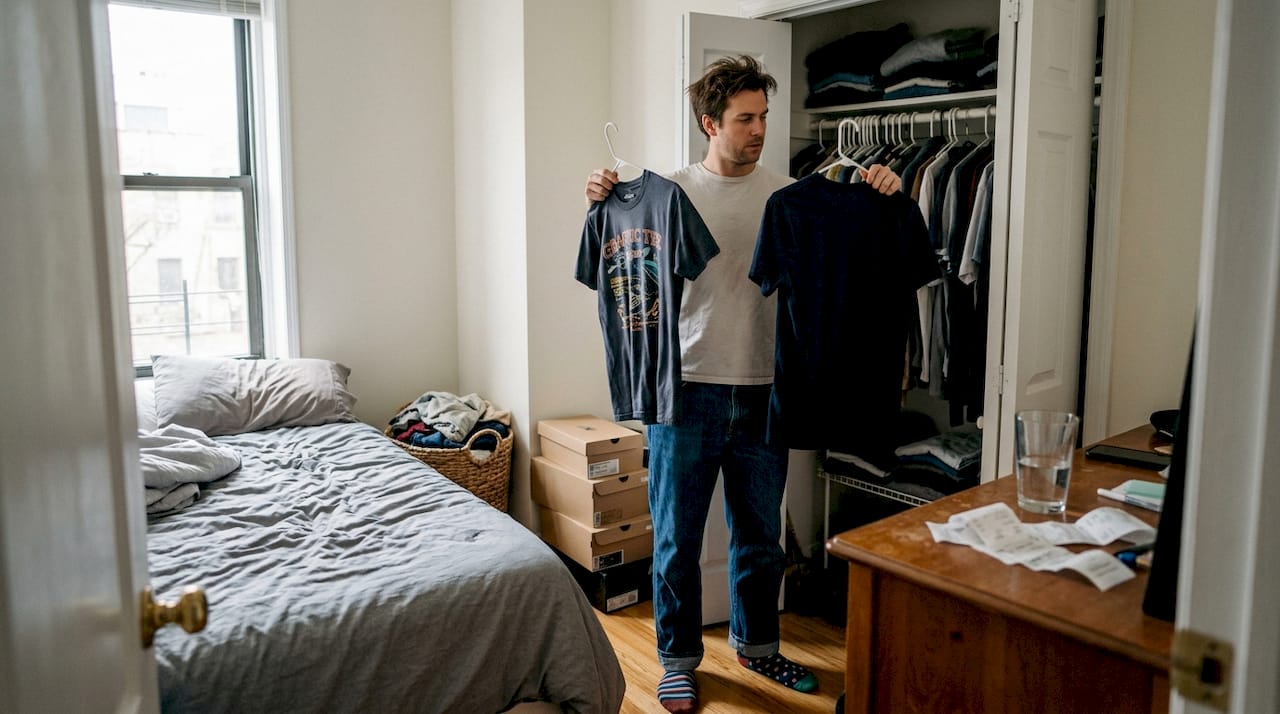
Symbolic clothing influences your psychological state, thoughts, and behavior when physically worn. That’s not a vague claim. It’s backed by empirical research that has grown significantly since 2015, with studies consistently showing that expressive wear boosts confidence, improves mood, and strengthens social bonds.
Here’s a quick comparison of how expressive versus neutral clothing tends to perform across key social and psychological measures:
| Factor | Expressive clothing | Neutral clothing |
|---|---|---|
| Mood lift | High | Low to moderate |
| Confidence boost | Noticeable | Minimal |
| Conversation started | Frequent | Rare |
| Identity signaling | Strong | Weak |
| Social connection | Increased | Baseline |
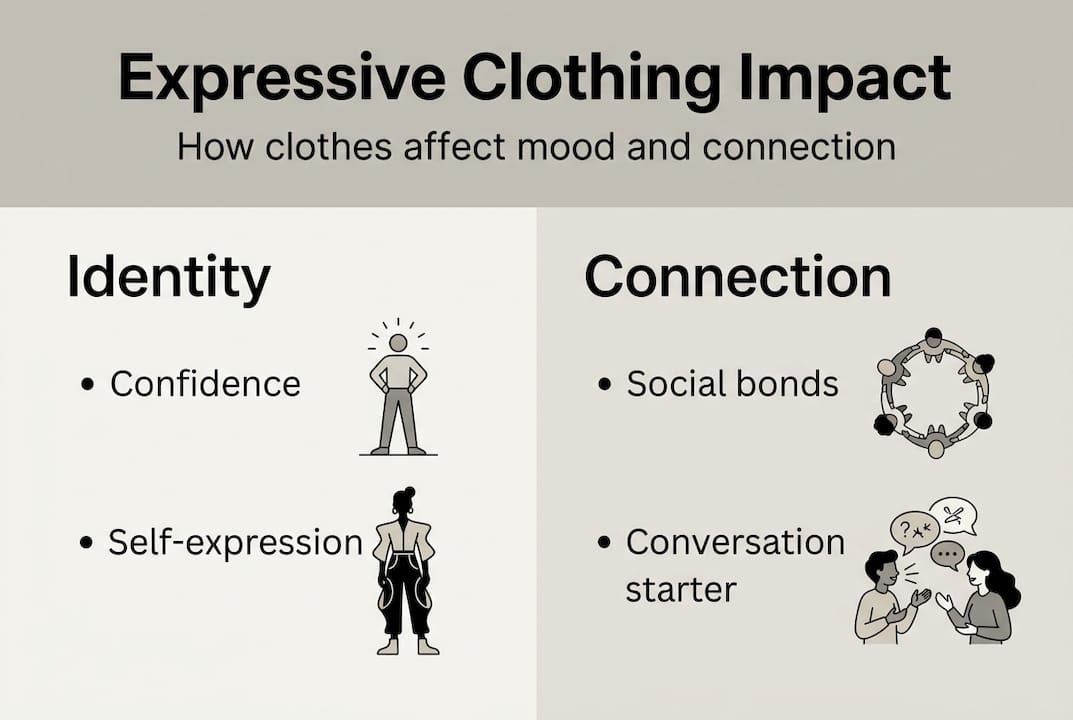
Studies on expressive graphics and social connection suggest that wearing graphics tied to shared interests can increase perceived social connection by up to 30%. That’s a meaningful shift just from choosing a different shirt.
The link between humor and personal identity is especially strong. When your clothes make someone else smile, you’ve created a micro-moment of connection that sticks.
Pro Tip: Pick one piece each week that genuinely reflects your mood or something you love right now. Wear it somewhere low-stakes first. Notice how differently people respond to you and how you carry yourself.
Humor and nostalgia: Expressive clothes that spark conversation
If expressive clothing is the category, humor and nostalgia are the superstars within it. These two elements do something remarkable: they create instant common ground with strangers. A well-placed pun on a hoodie can make someone across a coffee shop laugh out loud. A vintage cartoon print can send two people spiraling into a 20-minute conversation about Saturday morning TV.
Here’s why it works so well. Humor signals approachability. Nostalgia signals shared experience. Together, they make you magnetic in social situations without requiring you to say a word first.
Some of the best conversation-starting pieces include:
- Vintage cartoon tees from beloved 80s and 90s shows
- Pun-forward hoodies that reward a second look
- Meme-inspired sweatshirts that feel current but playful
- Cult-film reference tees that find your people instantly
- Retro sports graphics that tap into team loyalty and memory
Research confirms that humor and nostalgia in clothing leverage enclothed cognition for identity reinforcement and social bonding. You’re not just wearing a funny shirt. You’re activating a psychological mechanism that makes you feel more like yourself and more connected to others.
| Clothing type | Conversation rate | Identity signal strength | Mood impact |
|---|---|---|---|
| Humor graphic | Very high | Strong | Immediate lift |
| Nostalgia print | High | Very strong | Warm and grounding |
| Neutral/plain | Low | Weak | Minimal |
The idea behind graphic apparel and connection is that every design choice is a decision about who you want to meet and how you want to feel. And playful graphics clothing doesn’t have to be loud to be effective. Sometimes a subtle nod to a shared reference hits harder than a billboard.
“The clothes that make people stop and smile are the ones that say: I see you, and I think you’ll get this.”
Honest risks and the art of balance: Navigating expressive fashion in real life
Let’s be real for a second. Expressive fashion isn’t without its complications. Wearing a bold graphic in the wrong context can invite judgment. Trend pressure can push you toward pieces that feel more like a costume than an extension of yourself. And body-type biases in fashion mean that not everyone feels equally free to experiment.
Expressive fashion risks include social misperceptions, polarization, and the exhausting pressure to keep up with what’s trending. That’s worth acknowledging. But here’s the flip side: the people who navigate these risks well tend to develop a stronger, more grounded sense of self.
Three strategies that help you stay authentic without the stress:
- Context awareness. A pun hoodie works brilliantly at a weekend market. It might not land the same way in a formal meeting. Know your room without abandoning your style.
- Authenticity first. Only wear graphics that genuinely mean something to you. Trend-chasing leads to a closet full of pieces that feel hollow. Choose what makes you laugh or feel something.
- Comfort as a filter. If you’re tugging at your shirt all day or second-guessing your outfit, it’s not the right piece for that moment. Confidence comes from comfort, not just design.
The difference between empowering and polarizing choices often comes down to intention. Are you wearing something because it reflects who you are, or because you think it’ll impress someone else? The former almost always wins.
Pro Tip: Before buying any expressive piece, ask yourself: “Would I wear this alone on a Saturday?” If yes, it’s authentically yours. If you’re only picturing it in a specific social context, think twice.
For more on balancing self-expression and comfort in your everyday wardrobe, there’s a lot of practical ground to cover. And understanding design for self-expression helps you make smarter choices from the start.
How to start: Practical tips for choosing expressive clothes
Ready to upgrade your wardrobe with pieces that actually say something? The good news is that starting small works just as well as going all in. You don’t need to overhaul everything at once.
While runway fashion risks can inspire bold moves, the most sustainable expressive style comes from personal truth, not trend pressure. And as risky aesthetics continue to influence mainstream fashion, the key is staying grounded in what genuinely resonates with you rather than chasing what’s momentarily cool.
Here’s how to build an expressive wardrobe that feels like you:
- Start with your favorites. Pick themes, references, or humor styles you already love. Your wardrobe should feel like a highlight reel of your personality.
- Choose graphics with personal meaning. A tee that references your favorite film will always feel more authentic than one you grabbed because it was trending.
- Test in low-pressure settings. Wear new expressive pieces to casual outings first. Get comfortable in them before wearing them to higher-stakes events.
- Mix with basics. Pair a bold graphic hoodie with simple jeans and clean sneakers. Let the expressive piece be the focal point without overwhelming the look.
- Prioritize quality and comfort. A well-made graphic on a soft, ethically sourced fabric will always outperform a cheap print that fades after three washes.
- Follow 2025 graphic wear trends selectively. Trends are a starting point, not a rulebook. Use them to discover new styles, then filter through your own taste.
The goal isn’t to dress louder. It’s to dress truer. Every piece you choose is a small act of design in expressive fashion that adds up to a wardrobe that genuinely represents you.
Ready to express yourself? Discover your next conversation-starter
Now that you know the science, the strategy, and the style logic behind expressive clothing, the fun part begins: finding pieces that actually feel like you. At ChillStitch, we design hoodies, sweatshirts, and tees that sit right at the intersection of humor, nostalgia, and heart. Every piece is printed on ethically sourced fabric because clothes that say something good should also do something good.
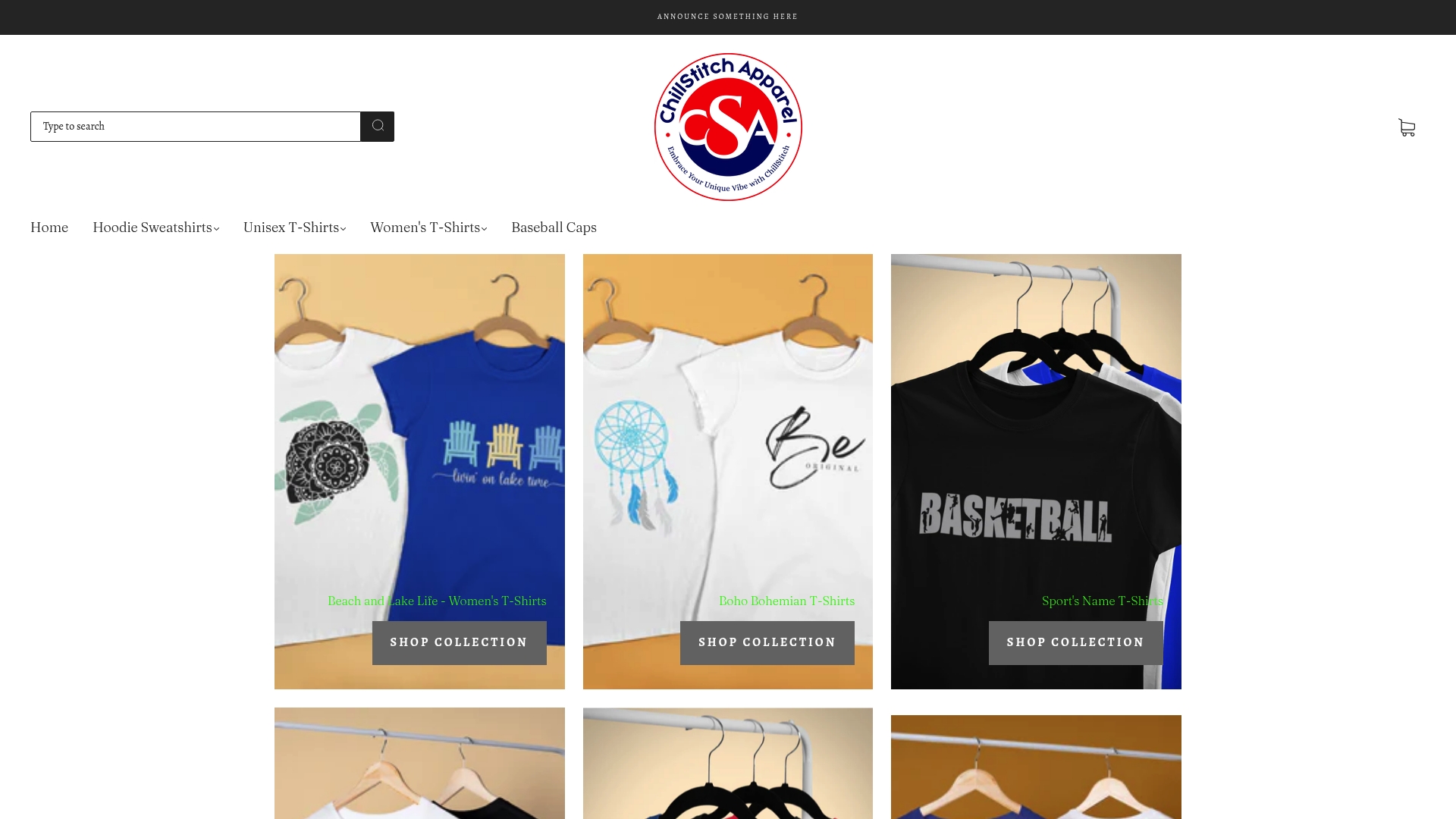
If you’re looking for a starting point, the Tree of Life Blues hoodie brings a grounded, soulful vibe that sparks real conversations. The Explore Dream Discover sweatshirt is for the wanderers and dreamers who wear their worldview on their sleeve. And if you want something that turns heads with a smile, the Trippy Hippie Sunglasses sweatshirt delivers exactly that. Your hoodie. Your statement. Say it loud and wear it proud.
Frequently asked questions
What makes clothing ‘expressive?’
Expressive clothing features designs, graphics, or slogans that communicate your personality, humor, or interests non-verbally. It’s any piece that says something about you before you open your mouth.
Can expressive clothing really change my mood?
Yes. Wearing symbolic or meaningful clothing activates enclothed cognition, a documented psychological effect that boosts mood, confidence, and social engagement.
Are there risks to wearing expressive outfits?
Some people may misjudge bold looks, and trend pressure can push you toward pieces that don’t feel authentic. Choosing graphics that genuinely reflect you reduces both risks significantly.
How can I start wearing expressive clothes without feeling awkward?
Begin with a graphic or theme you already love, pair it with simple basics, and wear it somewhere casual first. As fashion critics note, authenticity and context-awareness are the two most powerful tools for confident self-expression.
Recommended
- Why Wear Expressive Graphics? 30% More Social Connection – ChillStitchApparel
- Role of Design in Self-Expression: Identity, Humor, and Connection – ChillStitchApparel
- Playful Graphics Clothing: Expressing Humor and Identity – ChillStitchApparel
- What Makes Clothing Art: Identity, Humor, and Expression – ChillStitchApparel
- Why shared concerts create powerful social bonds